
























Aliya Rahman Arrested at State of the Union After Standing in Gallery

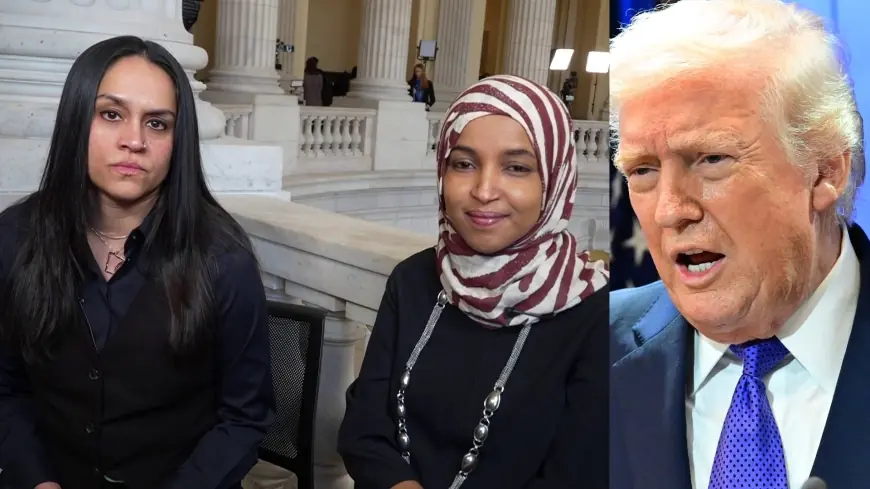
Aliya rahman, a Minneapolis resident invited by Representative Ilhan Omar, was removed from the House chamber and arrested during the State of the Union address after standing in the gallery. The incident, which left her receiving hospital care and spending several hours in custody, has prompted calls for an explanation from the congresswoman who brought her as a guest.
Aliya Rahman removed from gallery and taken into custody
Capitol Police ordered Rahman to sit during the president’s speech; she refused, and officers removed her from the guest gallery. Police charged her with unlawful conduct and disruption of Congress for refusing to obey an order to sit. Rahman says she was standing silently—making no gestures, holding no signs and emitting no sounds—at the moment the action was taken.
Witnesses and Rahman say the removal was physical. She says officers pulled on her shoulders despite telling them she has a torn rotator cuff tendon and multiple cartilage tears in both shoulders and that she is disabled. Two fellow attendees reportedly attempted to intervene as officers transported her; a sergeant later intervened and directed that medical care and a wheelchair be provided.
Capitol Police, medical care and booking at headquarters
After being pulled from the gallery, Rahman was taken to George Washington University hospital for treatment for shoulder injuries and then booked at United States Capitol Police headquarters. She spent several hours in custody and was released in the early morning, getting out shortly before 4: 00 a. m., her account.
Capitol Police stated that guests are informed that demonstrating is prohibited in congressional buildings and that the guest had been told to sit down and refused to obey what the department described as lawful orders. The department also noted that lawmakers who protested during the speech were not arrested because they are protected by the constitution’s speech or debate clause.
Previous Omaha-area immigration encounter and congressional attention
Rahman had earlier been the subject of national attention after federal immigration officers in Minneapolis removed her from her car in January. She says she told agents she was disabled and had a brain injury while being carried facedown; she says she never was charged in connection with that incident and was released. Video of the January encounter circulated widely, and Rahman later testified at a congressional hearing held by Democrats.
Representative Ilhan Omar called for a full explanation of Rahman’s arrest, saying Rahman warned officers about her injured shoulders and was nonetheless forcibly removed. Omar also said Rahman was taken to the hospital and then booked. The congresswoman requested an investigation into the handling of her guest.
During the address, the president criticized sanctuary-city policies and immigration enforcement, language Rahman has said prompted her to stand. The timing matters because the speech included pointed remarks about local officials and enforcement that relate directly to Rahman’s prior encounter with federal officers in Minneapolis.
Rahman described the gallery action as a silent challenge to comments she characterized as hostile to her city and to people affected by immigration enforcement. She told interviewers she was standing only at moments when others in the chamber also stood and that she made no visible demonstration beyond standing.
What makes this notable is that a guest of a member of Congress was physically removed, medically treated and criminally charged for conduct described by advocates as nonviolent and silent, raising questions about the application of gallery rules to visitors and the use of force in removing them. The Capitol Police have defended the enforcement of gallery rules while the member of Congress who invited Rahman has sought clarity and review of the incident.
The episode has further intensified scrutiny of the earlier January encounter with federal immigration officers, the injuries Rahman says she sustained then, and the broader debate over enforcement tactics and the treatment of disabled people during federal actions. Aliya rahman’s case now joins a roster of incidents that lawmakers and advocates are citing in calls for review and accountability.