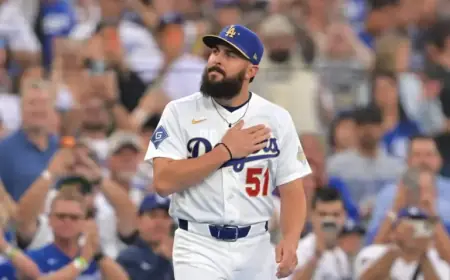

























chicago bears grant tremaine edmunds permission to seek trade amid cap crunch


The chicago bears have opened the door for tremaine edmunds to explore a trade, a move that immediately reshapes the team’s offseason priorities and throws a spotlight on how Chicago plans to manage the salary cap ahead of the 2026 league year. The decision surfaced on Wednesday, February 25, 2026 (ET), with the next key financial deadlines arriving in early March.
what the chicago bears decision means for tremaine edmunds
Giving tremaine edmunds permission to seek a trade is a clear signal that Chicago is weighing a near-term financial reset on defense. Edmunds is entering the final year of the deal he signed in 2023, and the structure of that contract makes him a prime candidate for a cap-driven move.
From a roster-building standpoint, the chicago bears can attempt to turn a potential release into an asset by finding a trade partner willing to take on salary in exchange for draft compensation. For tremaine edmunds, the permission creates leverage in the form of choice: he can look for a fit that matches his role, scheme preferences, and a team timeline that aligns with his prime years.
tremaine edmunds contract math, in plain english
The cap math is the engine behind this story. Edmunds’ 2026 numbers are large enough that Chicago gains flexibility by moving him, but they’re not so large that only a few teams can make the deal work. In practical terms, the chicago bears are balancing three outcomes: keep him, trade him, or cut him before the new league year.
Here’s a simple snapshot of the commonly cited figures around the situation (amounts in USD):
| Item (2026) | Approx. value | Why it matters |
|---|---|---|
| Cap hit if on roster | $17.4M–$17.9M | Limits flexibility for other signings/extensions |
| Base salary | about $13.9M | The main cost a trade partner would inherit |
| Roster bonus timing | about $1.0M (early March) | Adds urgency to making a decision before it’s due |
| Cap savings if moved off roster | about $15.0M | Immediate room to address multiple needs |
| Dead cap if released | about $2.4M | The “cost to exit” if Chicago cuts him |
Those numbers explain why trade permission matters: it’s an attempt to create options before deadlines lock in.
why the chicago bears are acting now
The timing lines up with the league’s offseason calendar and the team’s broader cap planning. When a club anticipates tough choices, it often tries to get ahead of the market: start conversations early, gauge interest, and see whether any team is willing to pay something—anything—rather than letting a player hit the open market after a release.
For the chicago bears, this is also about sequencing. Cap room created through a trade or release can be reallocated toward positions that are more expensive to fill in free agency, or toward retaining ascending talent already in the building. Even if the defense remains a priority, the team can choose a cheaper lineup construction at linebacker and spend elsewhere.
what tremaine edmunds brings, and why teams could call
Even in a season disrupted by injury, tremaine edmunds has the profile teams want: size, range, coverage ability, and the versatility to stay on the field in modern sub-packages. He’s also young for a veteran linebacker, which matters for teams that want production now without signing into a long decline curve.
A trade market, if it forms, likely depends on two factors:
-
how much of the 2026 money a new team is willing to absorb, and
-
whether Chicago is open to adjusting salary terms to facilitate movement.
Linebacker value can swing dramatically based on scheme. A defense that asks its second-level players to carry routes, match tight ends, and play in space may view tremaine edmunds as a featured piece rather than a luxury.
how the chicago bears could replace tremaine edmunds if he moves
If tremaine edmunds is traded or released, the chicago bears will face a classic roster question: replace the player directly, or replace the production in aggregate.
Possible replacement paths include:
-
Internal elevation: pushing a cheaper, developing linebacker into a larger snap share.
-
Value free agent signing: targeting a mid-tier veteran who can handle early downs while the team rotates coverage specialists.
-
Draft investment: adding a younger linebacker with speed and coverage instincts, then letting coaching define the role.
-
Role redesign: leaning more on safeties, nickel packages, and schematic run fits to reduce the need for a premium off-ball linebacker.
The cleanest outcome for Chicago is a trade that returns draft capital while clearing meaningful cap space—because it funds the replacement plan as much as it defines it.
what happens next for tremaine edmunds and the chicago bears
From Thursday, February 26, 2026 (ET) onward, the next steps revolve around urgency: early March financial triggers and the opening wave of offseason transactions. The permission itself doesn’t guarantee a deal, but it accelerates the process and broadcasts intent to the rest of the league.
If a trade partner meets Chicago’s terms, tremaine edmunds could be moved quickly to avoid bonus deadlines. If the market stalls, the chicago bears still hold the simpler lever of a release—though that would likely invite immediate competition to sign him elsewhere. Either way, the linebacker room has become one of the defining storylines of Chicago’s 2026 offseason, with tremaine edmunds at the center of it.