


















Trump Rx: Why trump rx may not deliver broad drug price cuts

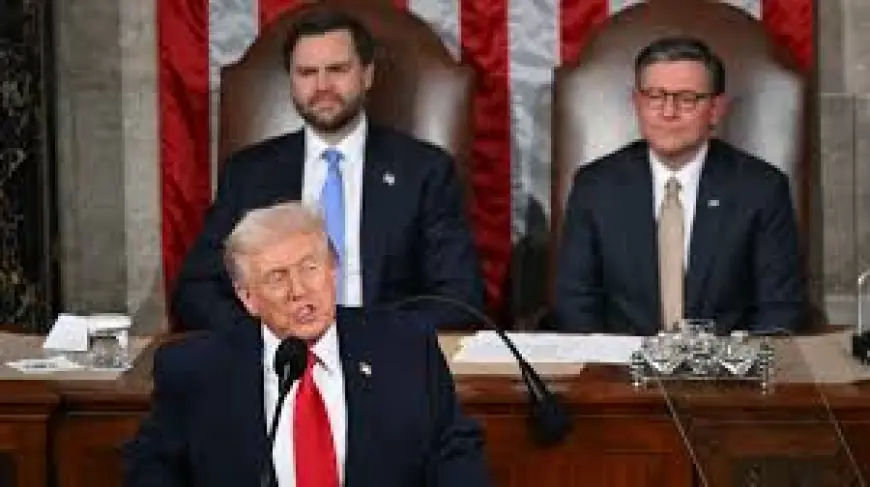
President Donald Trump has promoted what he says are record-low U. S. drug prices and launched a federal portal called TrumpRx; the push included discounted cash prices for a small number of brand-name drugs, but there is little evidence the deals have produced broad price declines so far.
Trump’s public claims in Iowa and at the TrumpRx launch
In a Jan. 27 speech in Iowa, Trump said, “We now are paying the lowest price anywhere in the world for drugs, ” and added, “Every other president tried for it. They didn’t try very hard. They didn’t get anything. I got it done. ” At the Feb. 5 launch for TrumpRx, he said, “The American people were effectively subsidizing the cost of drugs for the entire world, and it’s not going to happen any longer, ” and declared, “We ended it. ” Those statements present lower drug prices as a completed accomplishment, but the broader evidence does not yet match that framing.
Trump Rx portal frames MFN as "guaranteeing huge savings"
The TrumpRx website makes sweeping claims, saying that basing U. S. prices on prices in other countries—referred to in the launch materials as most favored nation, or MFN, pricing—is “guaranteeing huge savings for Americans. ” The administration has announced discounted cash prices for a small number of brand-name drugs, but the portal’s language projects savings beyond what has been shown so far.
Agreements with 16 companies and the trade-offs involved
Thus far, the administration’s drug price negotiations have resulted in voluntary agreements with 16 companies, though many of the details remain unclear in the provided context. Under those agreements, drug manufacturers have promised to offer discounts on select drugs to people who pay cash and are not using insurance, and companies have agreed to launch new drugs or to offer Medicaid drugs at MFN prices. In exchange, companies have said they were promised exemptions from tariffs and other benefits, including exemptions from future mandatory MFN pricing.
Limited translation of deals into pharmacy-counter savings
Experts note the negotiations “don’t appear to have translated into actual savings for people at the pharmacy counter or for public or commercial payers yet. ” Rena Conti, a health economist at Boston University Questrom School of Business, said that with rare exception the deals have not produced broad, visible reductions. Conti identified exceptions that include certain weight loss and fertility drugs, which are often not covered by insurance and are now being offered at reduced cash prices.
Measuring prices is complex; list-price trends show little change
There is no single, easily tracked measure of drug prices in the U. S., making it challenging to assess broad claims about whether drug prices are rising or falling. Companies provide list prices, but individuals, health insurers and the government rarely pay those list prices, often benefiting from rebates or other discounts. Conti noted that typically in January there are price increases for already-launched brand drugs, and that this January saw prices rise. The median list price increase for hundreds of brand-name drugs so far in 2026 was 4%, the same median increase as in 2025, the research firm 46brooklyn.
Administration response and the limits of current evidence
When asked whether Trump is claiming that Americans in general are now paying the lowest prices, a White House spokesperson asserted they would be in the future. The broader assessment in the fact-check is that there isn’t evidence the administration’s deals so far have led to broad decreases in drug prices, nor is it certain they will in the future. The question of whether the announced discounts will translate into widespread savings remains unresolved in the provided context.