























US Dispatches Two Naval Ships Through Hormuz Strait for Mine-Clearing Operations

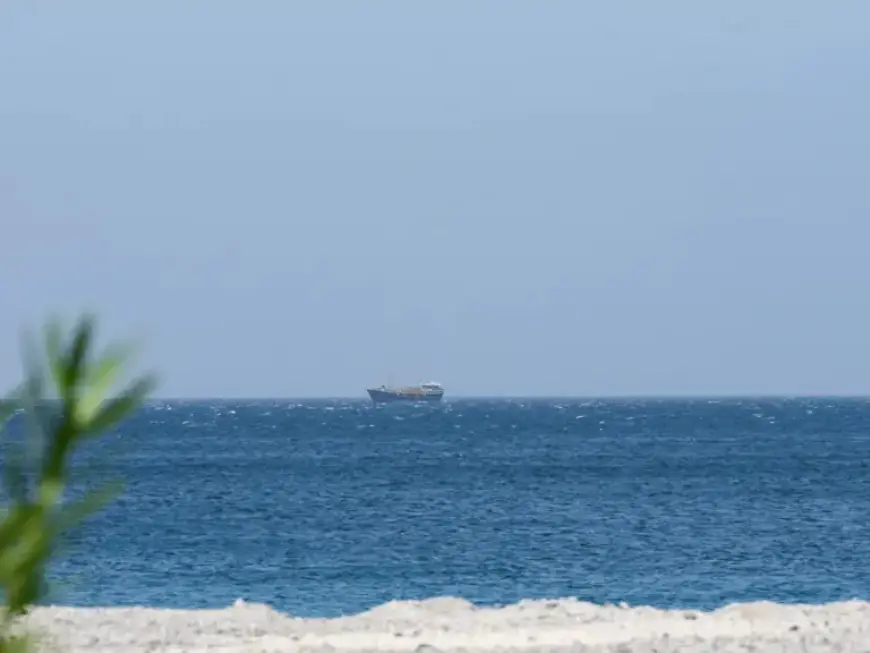
The United States Central Command said two destroyers moved through the Hormuz Strait this weekend. CENTCOM said the USS Frank E Peterson and USS Michael Murphy operated in the Arabian Gulf to address sea mines left by Iran’s Islamic Revolutionary Guards Corps.
Military movements and official statements
CENTCOM described the transits as part of efforts to secure shipping lanes and remove mines. Admiral Brad Cooper called the presence of the ships a turning point in the campaign that began on February 28.
The US said it would soon announce a safe maritime corridor. The aim was to encourage the resumption of commercial traffic through the waterway.
Tehran’s response
Iran’s Khatam al-Anbiya Central Headquarters rejected the US account. A spokesperson said the claim of US entry into the strait was “strongly denied.”
The IRGC warned it would respond forcefully to any warship passage it deemed unauthorized. Iranian officials said control of the passage remains with their armed forces.
Views from regional analysts
Maria Sultan, director general of the South Asian Strategic Stability Institute in Pakistan, told Filmogaz.com that free movement by US warships would require Tehran’s consent. She said such passage would be unlikely without Iranian permission.
That assessment underlines why the US decision to send two naval ships into the Hormuz Strait drew immediate scrutiny. The operation was framed by Washington as supporting mine-clearing operations.
Diplomatic talks in Islamabad
US and Iranian delegations met in Islamabad after a preliminary ceasefire was reached on Tuesday. The US team was led by Vice President JD Vance, and Iran’s team was headed by parliamentary speaker Mohammad Bagher Ghalibaf.
Officials described the face-to-face meetings as the highest-level contacts since 1979. Despite that breakthrough, key issues remained unresolved.
Main points of disagreement
- Future oversight of Iran’s nuclear programme.
- Release of frozen Iranian assets.
- Whether Israel’s operations in Lebanon fall under the ceasefire terms.
Iran signalled it would temporarily reopen the strait to commercial traffic under the initial deal. US officials said mine hazards had delayed full resumption of navigation.
Strategic and economic stakes
The Strait of Hormuz carries roughly one fifth of the world’s oil and gas supplies. It also moves large quantities of fertiliser and other goods.
Analysts warn that a settlement that leaves the strait partially closed would count as a strategic setback for the United States. Tehran has proposed tolls and other compensation for war damages as leverage.
Washington’s public messaging
President Donald Trump posted on social media that Iran was losing ground. He repeated claims about Iranian mine-laying vessels and said clearing the strait benefited many countries.
Trump cited goals such as halting Iran’s nuclear enrichment and curbing missile capabilities. Commentators noted that six weeks of fighting had weakened Iran’s military, but some US objectives remained unmet.
Outlook
The talks in Islamabad took place at the six-week point of the conflict. The preliminary ceasefire covers only a short window, and its longevity is uncertain.
US and Iranian delegations continued intensive discussions. Observers say trust deficits and disagreements over the strait are among the toughest obstacles to a lasting deal.