

























Casey Means faces Senate spotlight as surgeon general nominee, fueling debate over “MAHA” health agenda

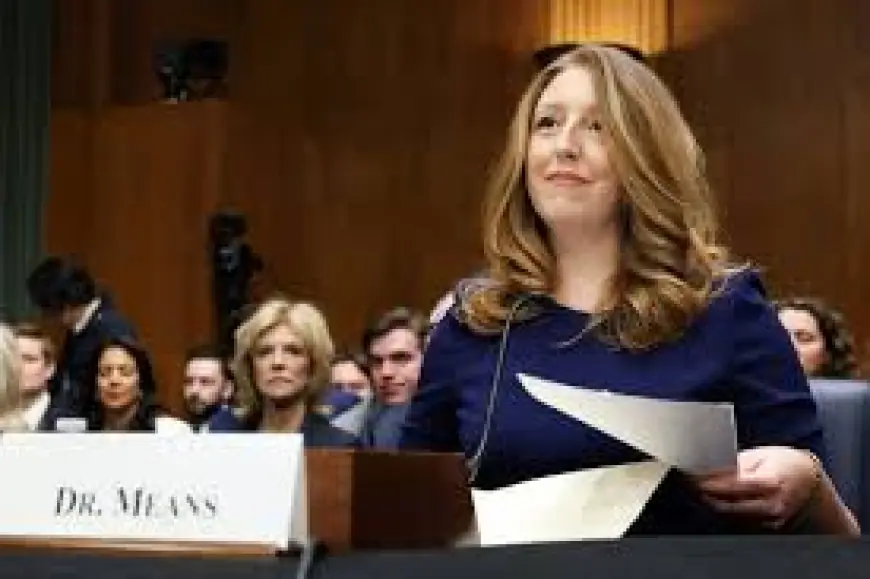
Casey Means stepped into the national spotlight Wednesday, Feb. 25, 2026 (ET), appearing before the Senate health committee in a confirmation hearing that quickly turned into a referendum on the country’s chronic-disease strategy, medical credentials, and how far public health messaging should tilt toward wellness culture. The 38-year-old entrepreneur and former physician is President Donald Trump’s pick to become U.S. surgeon general, a role that serves as the nation’s leading public health voice and a key communicator during crises.
The hearing drew sharp questions on licensing status, scientific rigor, and potential conflicts of interest, alongside support from backers who see Means as a disruptive messenger for a lifestyle-first reset in American health policy. ()
Casey Means confirmation hearing centers on chronic disease and “reactive sick care”
In her opening framing, Casey Means argued that the U.S. health system overemphasizes treatment after illness takes hold and underinvests in preventing chronic disease. Her focus landed on diet quality, physical activity, stress, sleep, environmental exposures, and what she described as “overmedicalization” as drivers of rising metabolic illness. ()
Supporters view that as aligned with the administration’s “Make America Healthy Again” push inside the Department of Health and Human Services. Critics counter that the surgeon general must do more than promote healthier living; the post requires precise, evidence-forward communication on vaccines, infectious disease, and population-level interventions—areas senators pressed her on repeatedly. ()
Supreme test for qualifications: licensing, residency, and public health experience
A central line of questioning focused on Means’ traditional medical credentials. Senators raised concerns that she left a surgical residency before completion and does not hold an active medical license at present, prompting scrutiny of whether she can credibly serve as “America’s doctor.” ()
Means emphasized her medical education and clinical experience across multiple settings, while acknowledging the nontraditional arc of her career: moving from hospital medicine toward consumer wellness and technology. The hearing surfaced a familiar Washington tension—whether a communications-heavy post should prioritize formal public health leadership experience or the ability to shift culture and behavior at scale. ()
Business ties and conflicts: the divestment pledge under the microscope
Casey Means’ financial interests also came under review. She co-founded Levels, a metabolic health company focused on glucose-tracking, and holds business ties that lawmakers flagged as potential conflicts if she becomes a federal health authority. Means pledged she would step away from roles and divest relevant holdings if confirmed. ()
Senators and ethics watchers honed in on disclosure, sponsorship-style promotion, and whether any commercial relationships could influence public guidance—especially when dietary supplements, wearable health tech, and wellness services sit in a gray zone between lifestyle advice and medical claims.
“MAHA,” vaccines, and hot-button positions that could shape the office
The hearing also revisited controversial positions associated with Means’ public persona and the broader wellness ecosystem. Senators raised questions tied to her past statements on raw milk, birth control, and proximity to claims that medical experts consider debunked in the vaccine space. The surgeon general’s credibility often hinges on trust during outbreaks, and lawmakers signaled they want clear commitments that public messaging will track mainstream scientific evidence. ()
Means positioned her approach as pro-prevention and pro-transparency, describing skepticism of certain industry incentives while arguing that chronic disease requires a more aggressive upstream response. The political risk is clear: if the office becomes a platform for disputed health claims, critics warn it could weaken vaccination confidence and complicate emergency response. Supporters argue the bigger threat is complacency as obesity, diabetes, and related conditions keep rising.
What happens next: timeline, flashpoints, and what markets in health policy will watch
The confirmation process now shifts to committee deliberations and a potential Senate vote. The next flashpoints are likely to include ethics documentation, formal commitments on vaccine guidance, and whether the nominee can reassure skeptics that “MAHA” messaging will not blur into misinformation.
Key issues raised at the Casey Means hearing (ET)
| Issue | What senators focused on | What Means signaled |
|---|---|---|
| Credentials | Residency completion and active licensure | Emphasized training; defended nontraditional path () |
| Conflicts | Financial ties to wellness/health-tech companies | Pledged divestment and stepping down from roles () |
| Evidence standards | Handling of disputed health claims | Framed approach as prevention-first, evidence-based () |
| Public trust | Vaccine messaging and crisis communication | Faced pointed questions on misinformation concerns () |
For now, Casey Means remains one of the most polarizing health nominees in recent memory—celebrated by supporters as a catalyst for a metabolic-health reset and challenged by critics as an underqualified wellness influencer for a role built on scientific authority. The Senate’s next moves will determine whether that clash becomes the new shape of America’s public health megaphone. ()