

























Eta Travel: eta travel rollout forces new boarding checks and strands dual nationals

The UK has begun enforcing its Electronic Travel Authorisation system, commonly called eta travel, and carriers are now blocking passengers who lack the required documentation. The change matters immediately because it affects travellers from dozens of countries and has already left some dual nationals unable to return.
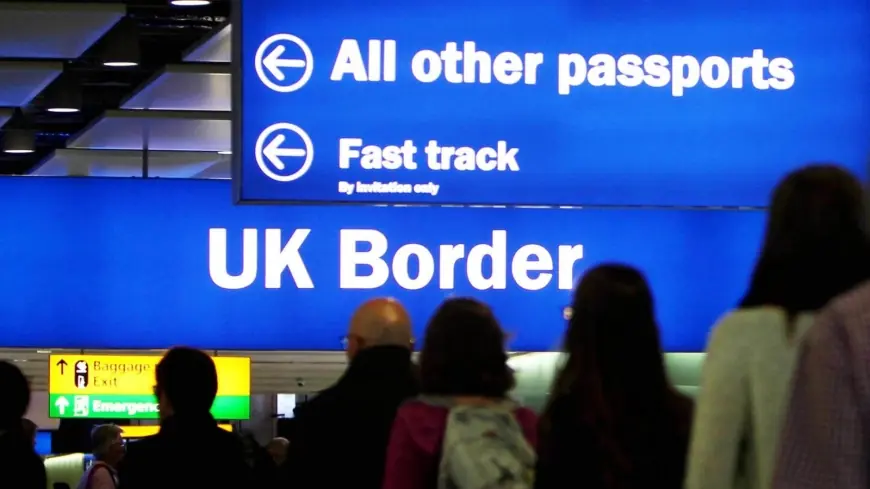
Passport control remains in place for arriving travellers and 85 nationalities must hold an ETA
People arriving in the UK under the new system will still go through passport control on arrival, even after the eta travel requirement takes effect. From 25 February most people who could previously travel visa-free will now need an ETA. The new rules apply to travellers from 85 different countries, including nationals of the United States, Canada, France and Australia.
Once approved, an ETA is a digital permission to travel that allows a visitor to stay in the UK for up to six months, permits multiple journeys and is valid for two years or until the holder’s passport expires, whichever is sooner. Typical permitted visit purposes include tourism, business and short-term study.
Transit and visa exceptions: who still needs a full visa
The ETA covers people who cross the border and travel through the UK as part of a journey, but people transiting through UK airports who do not need to pass through border security will not need an ETA. Longer trips, work stays and longer courses of study still require a visa; people who usually need a visa will continue to need one and will not have to apply for an ETA as well.
Dual nationals face new boarding checks and charged options to prove right to enter
Airlines must check that passengers have the correct documentation before departure, and travellers can be blocked from boarding flights, ferries or trains if they do not present acceptable papers. British and Irish citizens are exempt from needing an ETA, but they must still show a valid British passport or a Certificate of Entitlement when travelling to the UK.
Dual nationals who do not hold a British passport could be stopped from entering the UK. A Certificate of Entitlement costs £589, while applying for a British passport is, at £94. 50, substantially cheaper. Carriers may at their discretion accept some expired British passports as alternative documentation. The Home Office says it has advised dual nationals to ensure they have the right documents since October 2024 and has been advertising the ETA changes since 2023.
“Without [a British passport or certificate of entitlement], carriers cannot verify they are a British citizen, which may lead to delays or refused boarding, ”.
One traveller’s experience: Florence Garland and delayed paperwork
Dual British–French citizen Florence Garland cancelled a trip to France next week because of the changes. Ms Garland became a British citizen in November, but her certificate contained a typo and she had to send it back; the corrected certificate took two-and-a-half months to be re-issued, leaving her with no time to apply for a British passport.
She explained to a morning programme that the new requirements meant she could no longer return to the UK from overseas on her French passport. “I feel really, really let down by this, ” she said. “Obviously, I had no communication when I applied for British citizenship, no communication during the ceremony. ”
Government rollout, costs and official justification for the scheme
The scheme was launched in October 2023 but was not strictly enforced initially to give visitors time to adjust; in November the government set 25 February as the date ETAs would become mandatory. From today, non-visa nationals will be barred from entering the UK without an ETA, and airlines will prevent passengers from boarding if they do not have an ETA, an eVisa or other valid documentation.
Getting an ETA costs £16 at present; the government has said it plans to increase the fee to £20 in the future. Officials note the ETA permits multiple journeys and lasts for two years or until the passport expires. The government describes the cost as competitive with comparable schemes: the US ESTA costs $40 and the EU’s ETIAS is expected to cost €20 when implemented.
Minister for Migration and Citizenship Mike Tapp said the ETA scheme is intended to strengthen the UK’s border security and deliver a more efficient, modern service for visitors and the public, and urged anyone planning to travel to ensure they have the right permission to make their journey smoother. The government recommends travellers download the official app from app stores to apply for an ETA.
Practical exceptions and remaining uncertainties for travellers
There are a few narrow exceptions beyond British and Irish citizens, including people with settled status and children travelling from France on a school trip. British and Irish citizens retain the right to live in the UK but must prove that right at the border. Where a traveller’s status cannot be verified immediately, Border Force staff can delay processing to confirm citizenship, a practice that previously affected dual nationals who used foreign passports.