






















Premium Bonds Prize Fund Cut set for April 2026 draw

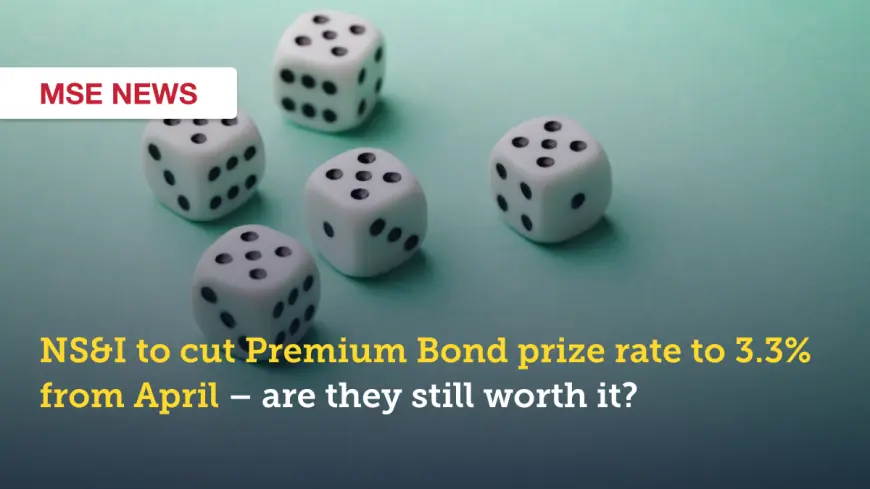
The premium bonds prize fund cut will reduce the headline prize-fund rate from 3. 6% to 3. 3% from the April 2026 draw and will lengthen the odds of each £1 bond winning a prize to 23, 000 to 1. The changes affect the number of higher-value prizes available and follow earlier adjustments to the product's rate and odds.
Premium Bonds Prize Fund Cut
NS&I will cut the Premium Bonds prize fund rate from 3. 6% to 3. 3% from the April 2026 draw. The prize fund rate was last changed in August 2025, and the odds were last adjusted in December 2024. The current odds of winning with any single bond are one in 22, 000, and these will climb to 23, 000 to one from April.
How many prizes fall
The change will reduce the number of higher-value prizes. The number of £100, 000 prizes will fall from 78 in the most recent draw to an estimated 71 in April. There will be 143 prizes worth £50, 000, down from 154, and 285 prizes worth £25, 000, compared with 311 in February.
What NS&I said
Andrew Westhead, NS&I retail director, said: "This change to the Premium Bonds prize fund rate and odds reflects changes in the wider savings market, and ensures we continue to balance the interests of savers, taxpayers and the wider financial services sector. " NS&I said Premium Bonds remain the UK's most popular savings account and recently passed £40bn in prizes drawn since their launch in November 1956.
How the product works
Instead of paying interest, Premium Bonds offer savers the chance to win tax-free prizes through a monthly draw funded by an annual prize fund rate. Each £1 bond purchased is entered into the draw, with prizes ranging from £25 to £1m. Individuals can hold up to £50, 000 in Premium Bonds, including children under the age of 16, and new purchases must be held for one full calendar month before being eligible for entry into the monthly prize draw. The prize-fund rate is variable and can shift in response to changes in the broader savings market or the Bank of England base rate.
Recent payout figures
In 2025 alone, NS&I paid out over £4. 95bn across 71. 7 million prizes, making it one of the biggest payout years on record. December 2025 was particularly busy for ERNIE (Electronic Random Number Indicator Equipment), the machine used to generate the winning numbers for the monthly Premium Bonds prize draw, generating over 6. 1 million prizes worth £403. 8m.
How returns compare
The prize rate has been 3. 60% since August 2025, after peaking at 4. 65% in late 2023. The prize rate will go down to 3. 3% from April. This 3. 3% figure is described as an average, and most savers will experience returns far below this level. This latest cut follows a series of reductions last year, which took the prize-fund rate from 4% in January to 3. 6% by August.
For typical savers, accounts that pay interest can now be more likely to beat Premium Bonds. An example in the context uses a top easy-access rate of 4. 5%, which would pay £45 in interest a year for every £1, 000 saved. The top easy-access cash ISA rate mentioned is 4. 4%. Premium Bond prizes are tax-free. By contrast, normal savings interest is taxable as income and is subject to the personal savings allowance: basic 20% rate taxpayers don't pay tax on the first £1, 000 a year of interest; higher 40% rate taxpayers don't pay tax on the first £500 a year of interest; top 45% rate taxpayers pay tax on all interest. At a 4. 5% standard non-ISA rate, it takes just over £22, 222 in savings for basic-rate taxpayers to exceed the allowance and start paying tax on the interest, and just over £11, 111 for higher-rate taxpayers. The context also notes an ISA allowance of £20, 000 a year in relation to choices between Premium Bonds and ISAs.
Some commentary in the provided context cautions that most people with typical luck won't get a return of 3. 6% (or 3. 3%), even with the maximum £50, 000 invested, and that the chance of winning the top prize is negligible. The context includes an incomplete sentence: "For instance, if you invest £1, 000 in Premium Bonds, you’d have to wait around 3, 500 y" — unclear in the provided context.
Premium Bonds remain a non-traditional savings product: they do not earn interest and instead offer the excitement of a monthly prize draw, but the frequency and size of wins vary and the headline prize-fund rate is not a guaranteed return.
Closing: The premium bonds prize fund cut to 3. 3% and the shift in odds to 23, 000 to 1 take effect from the April 2026 draw and will reduce the count of higher-value prizes in the monthly prize pool.