





















Travel Bans Massachusetts: Winter Storm Forces Road Restrictions, School Closures Across State

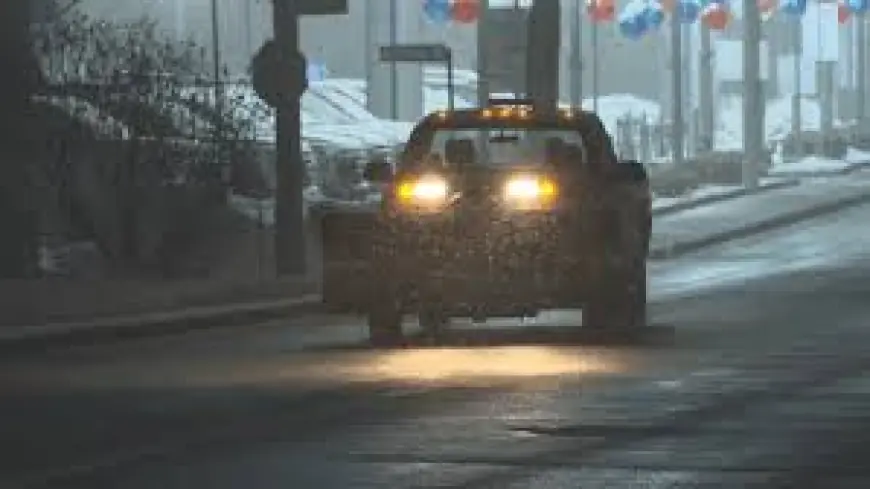
Travel bans Massachusetts residents are facing Tuesday as a powerful winter storm continues to impact roadways, public transit, and air travel across the state. Heavy snowfall, strong wind gusts, and reduced visibility prompted multiple municipalities to issue emergency travel restrictions beginning early Tuesday, February 24, 2026 (ET).
State officials are urging drivers to remain off the roads unless travel is essential, warning that conditions remain hazardous in several regions despite ongoing plow operations.
Travel Bans Massachusetts: Where Restrictions Are Active
The Massachusetts Department of Transportation confirmed that travel restrictions are in place across parts of central and western Massachusetts, where snowfall totals have reached between 6 and 12 inches.
Several towns in Worcester County, Hampden County, and Berkshire County enacted local travel bans effective between 5:00 a.m. and 7:00 a.m. ET Tuesday. These bans typically restrict non-essential travel and may include fines for violations.
Major highways remain open, but officials reduced speed limits on portions of Interstate 90 and Interstate 91 due to blowing snow and icy conditions.
Massachusetts State Police Report Rising Crashes
The Massachusetts State Police reported a spike in spinouts and minor crashes during the morning commute. Most incidents were weather-related and did not involve serious injuries, but authorities emphasized that road conditions can deteriorate quickly.
Troopers responded to dozens of calls between 4:30 a.m. and 9:00 a.m. ET, primarily involving vehicles sliding off untreated secondary roads.
Officials stressed that even roads that appear clear may conceal black ice, especially as temperatures hover in the mid-20s Fahrenheit.
Boston Logan Airport and Public Transit Delays
Air travel has also been disrupted. Boston Logan International Airport reported flight delays and scattered cancellations Tuesday morning as snow removal and aircraft de-icing operations slowed departures.
Passengers are advised to confirm flight status before traveling to the airport, particularly because travel bans Massachusetts orders may complicate ground transportation.
In Boston, public transportation systems are operating on modified schedules. Some bus routes in hilly neighborhoods have been temporarily suspended due to unsafe driving conditions, while commuter rail services are experiencing weather-related delays of up to 45 minutes.
School Closures and Government Delays
Dozens of school districts across Massachusetts announced closures or delayed openings Tuesday in response to hazardous road conditions. State government offices in affected counties opened on a delayed schedule, with non-essential employees encouraged to work remotely where possible.
Local emergency management agencies are monitoring power infrastructure as wet snow and wind gusts near 40 mph increase the risk of downed branches and isolated outages.
When Will Travel Bans Massachusetts Be Lifted?
Meteorologists project snowfall will taper off by mid-afternoon Tuesday, with winds gradually weakening after 3:00 p.m. ET. However, officials caution that refreezing overnight could create additional icy conditions even after snowfall ends.
State and local leaders will reassess travel bans Massachusetts orders throughout the day based on plowing progress, accident trends, and visibility improvements.
Residents are encouraged to:
-
Avoid unnecessary travel until bans are lifted
-
Clear sidewalks and hydrants safely
-
Check on elderly neighbors
-
Monitor official state alerts for updates
This storm represents one of the more significant winter events of the 2026 season so far in Massachusetts, testing road crews and emergency responders statewide. While progress is being made to restore safe travel, authorities stress that patience and caution remain essential until conditions fully stabilize.