











Robert Carradine’s Death Ripples Through Family, Co‑stars and a Generation That Knew Him as Lewis Skolnick

Who feels the loss first? For many, the answer is immediate: the actor’s nearest and dearest, several generations of viewers, and a community already grappling with mental‑health stigma. robert carradine’s passing at 71 after a long struggle with bipolar disorder reframes conversations about privacy, legacy and support for families confronting severe mental illness.
Robert Carradine’s absence: family, fans and the conversation around bipolar disorder
The family described him as a beloved father, grandfather, uncle and brother and said he had been a beacon of light to those around him. They made clear he had fought a nearly two‑decade battle with bipolar disorder and asked for privacy while grieving. His older brother Keith framed the illness as something the family wanted known, insisting there is no shame in it and that they intend to celebrate Carradine’s talent, humor and tolerance even as they acknowledge that the illness ultimately got the better of him.
What happened — and how the family framed its message
The family announced that the actor took his own life on Monday. They said they hoped sharing the cause would help reduce stigma attached to mental illness and encourage more open discussion. The family asked for privacy and expressed gratitude for understanding and compassion as they grieve. Robert Carradine is survived by his children, grandchildren, brothers, nieces and nephews, and others who had him in their lives.
Career snapshot and how audiences remember him
Born on March 24, 1954, he was the youngest son of John Carradine and sibling to David, Keith and Christopher Carradine; he also had older half‑brothers David and Bruce from his father’s first marriage. Christopher is identified in family notes as a Disney Imagineer, and accounts note that all but Christopher pursued acting in some capacity.
His screen debut came in 1972 in The Cowboys alongside John Wayne, a part his brother David encouraged him to audition for. He appeared in Martin Scorsese’s Mean Streets, in which his character fired on his brother, and in the Oscar‑winning Coming Home with Jane Fonda and Jon Voight. In 1980 he had two films at Cannes: The Big Red One, which included Mark Hamill and Lee Marvin, and Walter Hill’s The Long Riders, where Walter Hill cast real brothers as real outlaw brothers — Robert, Keith and David as the Younger brothers; James and Stacy Keach as Frank and Jesse James; Randy and Dennis Quaid as the Miller brothers; and Christopher and Nicholas Guest as the Ford brothers.
During The Long Riders shoot, David bought a horse named Z‑Tan that later lived on Robert’s Hollywood Hills property; in the 1980s viewers driving Mulholland Drive might have seen Robert’s daughter Ever Carradine riding Z‑Tan between their home and Runyon Canyon.
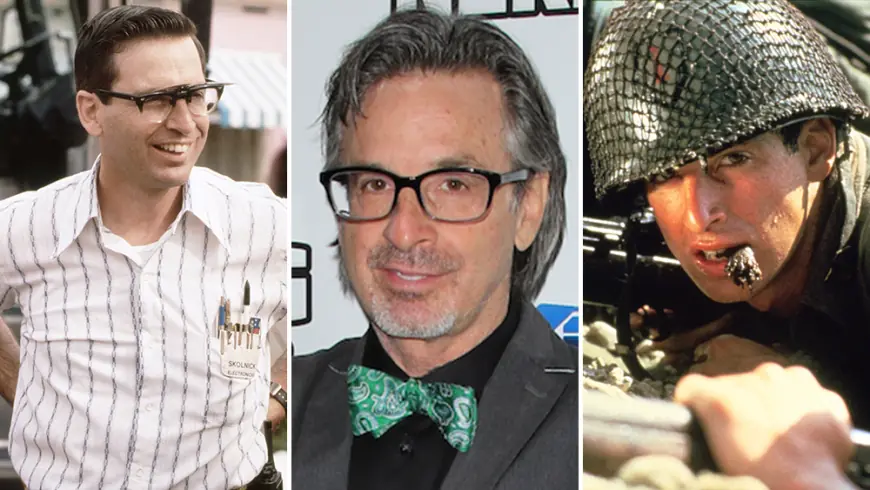
His best‑known mainstream success came in 1984 as Lewis Skolnick in Revenge of the Nerds alongside Anthony Edwards — a role that lodged him in the popular imagination. He spent time undercover at the University of Arizona to convince students he was a real nerd and later returned for sequels released in 1987, 1992 and 1994. He later reached a younger audience as Sam McGuire, the father on Lizzie McGuire, appearing in 65 episodes between 2001 and 2004 alongside the show’s young lead. His later film credits include a part in Django Unchained and other genre work across decades.
Reactions and personal echoes
Colleagues and on‑screen family members expressed sorrow and paid tribute to his warmth. One former co‑star emphasized the care and warmth he brought to the set and said they were deeply saddened to learn he had been suffering. The family’s public announcement emphasized both grief and the hope that sharing his struggle will prompt more honest conversations about mental illness.
Here’s the part that matters for readers trying to make sense of this: the family framed the disclosure of cause of death as a deliberate decision to confront stigma and to honor his struggle while asking for space to grieve.
- Born March 24, 1954; died aged 71, having taken his own life on Monday.
- Fought bipolar disorder for nearly two decades; family sought to use their statement to reduce stigma.
- Career milestones include The Cowboys, Mean Streets, Coming Home, The Big Red One, The Long Riders, Revenge of the Nerds and Lizzie McGuire (2001–2004, 65 episodes).
- Notable personal details: youngest son of John Carradine; siblings include David, Keith and Christopher; half‑brother Bruce exists; daughter Ever Carradine is an actor.
What this leaves unresolved and the near‑term fallout
The family asked for privacy while grieving, and they framed the disclosure as both a tribute and a prompt for public discussion about mental health. The death reopens public threads about how long‑term bipolar disorder is identified and treated within high‑pressure careers, and it highlights a family history marked by the earlier death of half‑brother David in 2009 from asphyxiation in a hotel room in Thailand — an event the family says contributed to Robert’s later diagnosis and struggles.
It’s easy to overlook, but the mix of multi‑generational fame and private illness makes grief and privacy especially fraught here. The real test will be whether the family’s openness about bipolar disorder leads to more sustained, practical conversations rather than brief public sympathy.