





















Travel Bans Massachusetts: Winter Storm Triggers Road Restrictions and Flight Disruptions

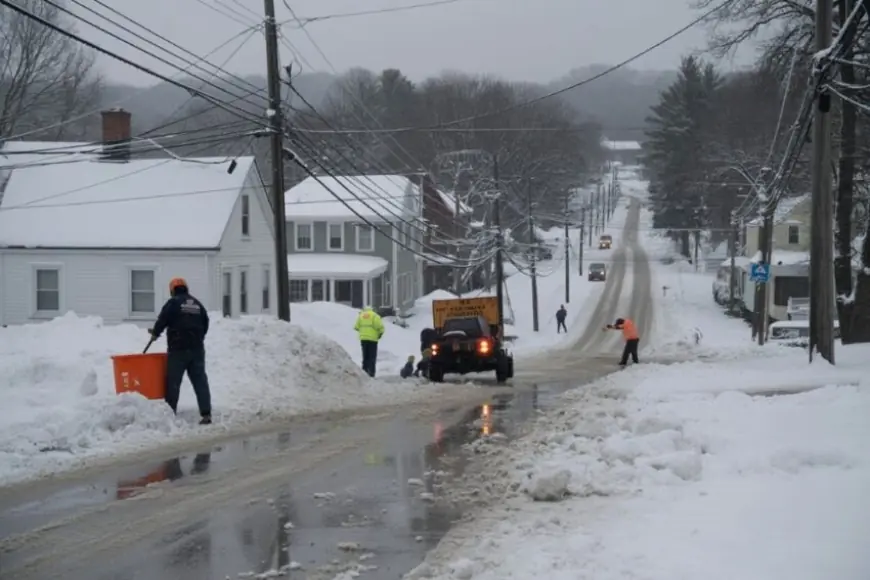
Travel bans Massachusetts residents are facing Tuesday as a powerful winter storm moves across the region, bringing heavy snowfall, strong wind gusts, and dangerous road conditions. State and local officials implemented emergency restrictions early Tuesday morning, February 24, 2026 (ET), affecting highways, municipal roads, and air travel.
The fast-moving system has already dropped several inches of snow across central and eastern parts of the state, prompting urgent updates from public safety agencies.
Travel Bans Massachusetts: Where Restrictions Are in Effect
State officials confirmed that travel bans Massachusetts orders are active in multiple counties, particularly in western and central regions where snowfall rates exceeded two inches per hour overnight.
The Massachusetts Department of Transportation announced that certain secondary roads and elevated highways were temporarily restricted to essential travel only as of 6:30 a.m. ET. Local governments in Worcester County and parts of Hampden County also declared municipal-level travel bans due to whiteout conditions.
Drivers are being urged to remain off the roads unless absolutely necessary. Plow crews continue operating statewide, but visibility remains limited in open areas due to wind gusts approaching 40 mph.
Massachusetts State Police Respond to Rising Incidents
The Massachusetts State Police reported a surge in spinouts and minor crashes beginning shortly after 5:00 a.m. ET. While no widespread highway closures have been confirmed statewide, authorities temporarily reduced speed limits on major routes, including stretches of Interstate 90 and Interstate 91.
Troopers emphasized that even treated roadways may refreeze as temperatures hover in the mid-20s Fahrenheit. Emergency vehicles remain active, and towing services are experiencing delays due to the volume of calls.
Officials reiterated that violating travel bans Massachusetts directives can result in fines, particularly for non-essential commercial traffic operating during restricted periods.
Boston Logan International Airport Faces Delays
Air travel is also feeling the impact of the storm. Boston Logan International Airport reported dozens of flight delays and cancellations as of 9:15 a.m. ET. Snow removal crews are working continuously to clear runways, but de-icing operations have slowed departures.
Passengers are advised to check with airlines before heading to the airport, especially as travel bans Massachusetts restrictions may complicate ground transportation to terminals.
Public transit services in Boston are operating on modified schedules, with some bus routes suspended due to unsafe road conditions. Commuter rail lines are experiencing weather-related delays of up to 30 minutes.
Government Offices and Schools Close Amid Travel Bans Massachusetts
Several state offices delayed opening until at least 11:00 a.m. ET, while numerous school districts announced closures for Tuesday. Municipal leaders cited the ongoing travel bans Massachusetts measures and hazardous morning commute conditions as the primary reason for closures.
Power outages have been limited so far, though utility companies remain on alert as snow accumulation weighs down tree branches and power lines. Coastal communities are monitoring minor flooding risks as wind-driven snow reduces visibility along shore roads.
Emergency management officials stated that conditions are expected to gradually improve by late afternoon, though lingering snow showers could continue into early evening hours.
When Will Travel Bans Massachusetts Be Lifted?
Forecast models indicate snowfall totals between 6 and 12 inches across much of the state, with higher amounts possible in elevated terrain. Winds are expected to ease after 3:00 p.m. ET, allowing plow operations to make more rapid progress.
State authorities will reassess travel bans Massachusetts orders throughout the day. Decisions to lift restrictions depend on roadway treatment progress, visibility improvements, and crash trends.
Residents are encouraged to monitor official state alerts and avoid unnecessary travel until bans are formally lifted. Even after restrictions end, black ice may persist overnight as temperatures remain below freezing.
The storm marks one of the most disruptive winter events of the 2026 season so far, testing infrastructure and emergency response systems across Massachusetts. With conditions still evolving, officials continue urging patience and caution as crews work to restore safe travel statewide.