
























How Much Snow Did Boston Get as Record Blizzard Shuts Schools and Grounds Flights

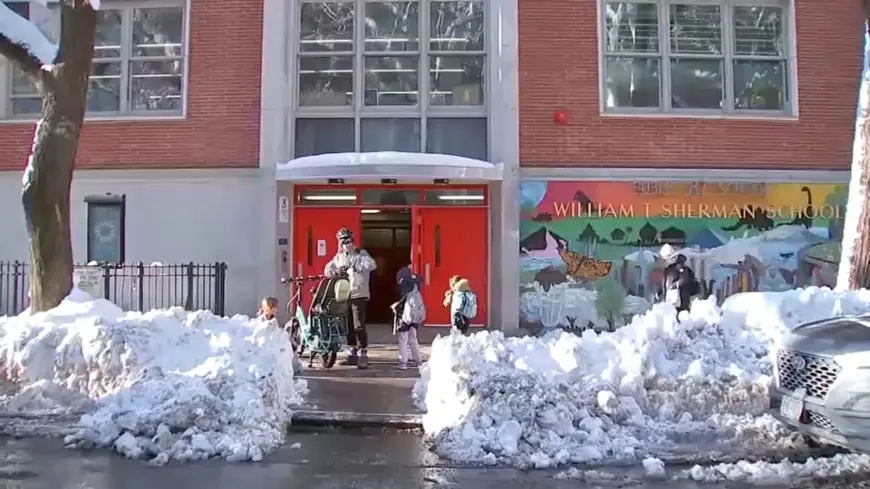
how much snow did boston get is a central question as All Boston Public Schools will remain closed on Tuesday, Feb. 24, amid a blizzard that left more than 40 million people under warnings across the Northeast and prompted widespread travel bans and outages.
How Much Snow Did Boston Get
Concrete totals for Boston city limits are unclear in the provided context, but the storm’s local impacts are specific: All Boston Public Schools are closed for Tuesday, Feb. 24, and the Boston Globe will not go to print for the first time in its 153-year history because of the storm. In Massachusetts, nearly 300, 000 customers were without power, including 85% of Barnstable County’s customers, and resident Bradley Jay said the storm made him feel like a “prisoner. ”
Record totals and broken marks in New England
Parts of Rhode Island and Massachusetts saw nearly 37 inches of snow, and Providence recorded 36 inches, dwarfing the previous single-storm record of 28. 6 inches set in February 1978, a storm that led to 100 fatalities. At T. F. Green International Airport outside Providence, 32. 8 inches of snow had been recorded as of Monday afternoon, a count described as enough to surpass the previous greatest single snowstorm total, with officials warning that Monday’s record snowfall was likely to rise as additional measurements were recorded later in the day.
Blizzard scope: warnings, winds and satellite images
The blizzard pummeled the Northeast on Monday, with heavy snow and hurricane-force winds prompting warnings for more than 40 million people and forcing officials to issue emergency declarations in several states. The National Weather Service in New York City posted a GOES East satellite video of the February 22-23, 2026 storm, timestamped 9: 25 a. m., showing the system’s size as it walloped the region.
Travel bans, school decisions and street rules
New Jersey, Rhode Island, Pennsylvania and Connecticut declared states of emergency and imposed travel restrictions, while 20 counties in New York were also under emergency declarations. Rhode Island Governor Dan McKee said the state of emergency and travel ban would remain in effect so plow crews could continue clearing roads overnight, with the situation to be reassessed Tuesday morning and state offices remaining closed on Tuesday. Massachusetts Governor Maura Healey later imposed a travel ban and warned that white-out conditions were making travel extremely dangerous, saying help would have difficulty reaching anyone who got stuck.
In New York City, Mayor Zohran Mamdani announced public schools would reopen for in-person learning and offered a two-hour grace period for students with weather- or transportation-related delays on Tuesday morning; he quipped that students could still pelt him with snowballs when they saw him. The decision drew criticism: more than 169, 000 New Yorkers had signed a petition urging remote learning, and the teachers’ union warned that reopening could jeopardize staff safety. The city’s Sanitation Department declared an official end of storm at 4: 30 p. m. Monday, and ordered property owners to clear sidewalks by 8: 30 p. m., including a four-foot path for wheelchairs and strollers and clearing around curb ramps, fire hydrants and unsheltered bus stops. Alternate side parking was suspended through the weekend.
Flights, outages and local services knocked offline
Travel across the region was severely limited: more than 5, 000 flights were cancelled and thousands more were disrupted nationwide. Power outages affected hundreds of thousands of customers — one monitor showed more than 600, 000 properties across the U. S. east coast without power, while another tally put the number at at least 500, 000 customers without power as of early Monday evening. In Massachusetts, nearly 300, 000 lost service, with Cape Cod’s Barnstable County seeing about 85% of its customers without power. Municipal crews and public works teams were focused on clearing streets and school grounds, but officials cautioned that hazardous conditions persisted.
What officials say will happen next
State and local officials set short-term timelines: Rhode Island’s travel ban and state of emergency will be reassessed Tuesday morning, and the Sanitation Department’s shoveling deadline for New York property owners is 8: 30 p. m. on the day the storm designation ended. Measurement teams warned that record snowfall totals could increase as more data are logged. Recovery and assessment work was expected to continue overnight and into the next day as cities and states begin to dig out and crews prioritize clearing key roads and restoring power.