
























Lirr and the Northeast Digs Out After a Historic Bomb Cyclone Blizzard as More Snow Looms

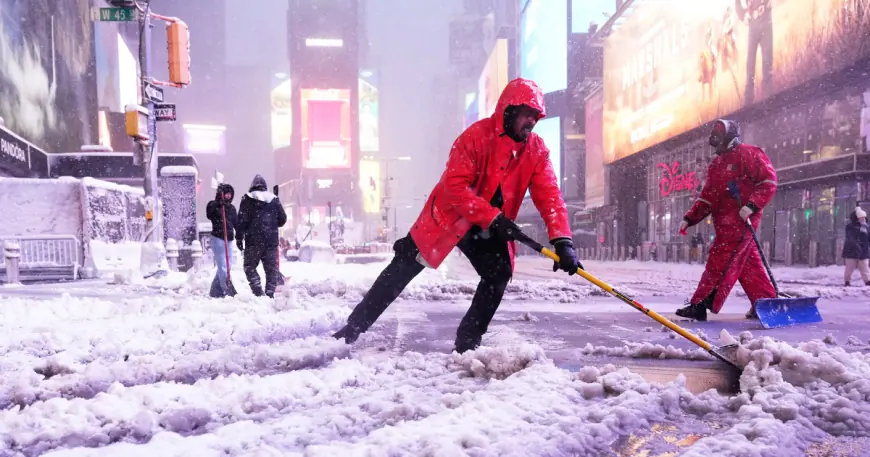
After a historic bomb cyclone blizzard left streets buried and communities scrambling to clear snow, neighbors, government workers and a powerful railroad snow-clearing machine worked to restore mobility — and the status of lirr service is unclear in the provided context. The storm produced record snowfall in parts of the Northeast, disrupted flights and school routines, and forecasters say another system could be close behind.
Lirr status unclear as crews dig out
Details about lirr schedules, cancellations or service impacts are unclear in the provided context. The material does not specify whether lirr operations were halted, delayed or restored, only that large-scale snow removal efforts were underway across the region.
How the blizzard upended travel and schooling
The storm blanketed the region with heavy snow and led to thousands of flight cancellations. More than 2, 000 flights in and out of the United States were canceled on Tuesday, with most cancellations involving airports in New York, New Jersey and Boston. In response to the storm, several school systems made different operational choices.
New York City canceled classes on Monday; the city’s mayor announced schools would reopen for in-person learning on Tuesday, a move that raised questions about feasibility with sidewalks still piled with snow. Staten Island Borough President Vito Fossella said schools should remain closed, while Michael Mulgrew, president of the United Federation of Teachers, described the situation as "a big mess. " Spokespersons for the mayor did not respond to an email seeking comment, but Chancellor Kamar Samuels posted on social media that they were "confident in our decision to reopen. " Philadelphia switched to online learning on Monday and Tuesday, and districts on Long Island and elsewhere in the New York suburbs said they would cancel school again on Tuesday.
Record snowfall, high winds and local impacts
Monday’s storm has been called the strongest in a decade and dumped more than 2 feet of snow in parts of the Northeast. Specific local totals cited include:
- Central Park in New York City recorded 19 inches of snow.
- Warwick, Rhode Island, exceeded 3 feet, topping the nation so far.
- Rhode Island’s T. F. Green International Airport paused operations on Monday while dealing with nearly 38 inches of snow, breaking a record set in 1978.
- The highest wind gust recorded was 83 mph in Nantucket, with hurricane-force gusts reported across Cape Cod.
Roads were beginning to reopen and mass transportation was returning in some cities by Tuesday. Power had returned for some of the hundreds of thousands who had lost electricity in Massachusetts, New Jersey, Delaware and Rhode Island. New York, Philadelphia and other cities, as well as several states, declared emergencies.
Digging out: people and machines on the front lines
Neighbors and government crews worked alongside a powerful railroad snow-clearing machine nicknamed "Darth Vader" to clear streets and tracks. Communities deployed people and equipment to restore access, reopen roads and get mass transit moving where possible.
Savannah Guthrie posted a new video and increased a reward to $1 million for the recovery of her mother, a separate human-interest development emerging amid the storm coverage.
Another storm could complicate cleanup
Snow that moved northward had tapered off in some areas by Tuesday, but the National Weather Service was tracking another storm that could bring more snow later in the week. That new system is not expected to be as strong as Monday’s bomb cyclone, but meteorologist Frank Pereira of the National Weather Service in College Park, Maryland, warned that even a few extra inches on top of an already battered region would make cleanup more difficult. "Any additional snow at this point is probably not going to be welcome, " he said.
The weather service described Monday’s system as a "classic bomb cyclone/nor'easter off the Northeast coast. " A bomb cyclone is defined by a storm’s pressure falling by a specified amount within a 24-hour period and typically occurs in the fall and winter when frigid Arctic air can reach south and clash with warmer temperatures.
What to expect next
With another system possible later in the week, communities are balancing reopening schools and services with ongoing cleanup. The context provided does not include specifics about timelines for full restoration of transit networks, including lirr, or final snowfall tallies beyond the local figures listed above. Readers should note that details may evolve as crews continue clearing and forecasters monitor the next storm.