


















Rob Reiner's Alleged Killer Son Sees No Family Visits as He Awaits Trial in Isolation

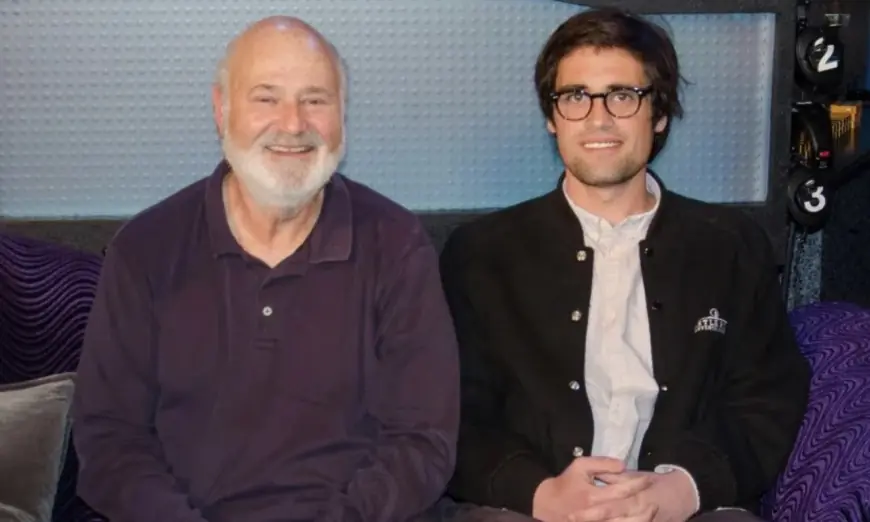
rob reiner's alleged killer son, Nick Reiner, is being held in a high‑observation mental‑health unit at Twin Towers Correctional Facility in downtown Los Angeles, where he has received no family visits while facing two counts of murder. The absence of contact is now a central, painful detail of the case as court proceedings, defense changes and conflicting accounts of plea status move through the California system.
Rob Reiner's Family Silence and Visiting‑room Reality
The visiting room at Twin Towers is built for contact, but members of the Reiner family have not used it. Relatives of filmmaker Rob Reiner, 78, and his wife, photographer‑producer Michele Singer Reiner, 70, are keeping their distance as they process shock and the criminal accusation against the 32‑year‑old. One insider said, "He killed their parents. That changes everything. " Family spokespeople have offered no public statements beyond early expressions of shock, and there is no apparent contact between the detained son and relatives.
Those close to the family describe the dynamic as "grief layered on top of horror, " and an additional insider framed the silence as a boundary: "They're mourning their parents while also trying to comprehend what he's done. You don't just walk into a visiting room after that. " A source close to the family insisted, "Silence isn't about cruelty. It's about boundaries. It's about surviving somethin'" (phrase as presented in the provided context).
Isolation and Conditions at Twin Towers Correctional Facility
When Nick first arrived at Twin Towers, one of the largest jail complexes in the world, he was placed on suicide watch. He has since been taken off that status but remains in high‑observation housing: confined alone in a cell, monitored every 15 minutes, escorted by deputies, and watched on camera whenever he leaves the unit. Law enforcement indicates he eats alone, sleeps alone, and currently is allowed contact only with legal counsel and jail staff. On paper he can receive family visitors; in practice, no relatives have come.
The context also notes that Nick was previously the subject of a public narrative in which his struggles were turned into a film about redemption; that history is part of the broader family and public story now overshadowed by the killings.
Legal Status, Defense Changes and Conflicting Plea Reports
Legal accounts in the provided context present developments that do not entirely align. One account states that Nick has yet to enter a plea and that a court date was set for Feb. 23 after his high‑profile attorney, Alan Jackson, abruptly withdrew, citing "circumstances beyond my control" while also insisting he believed his former client was not guilty under California law. A public defender then took over and the case was described as moving toward discovery, pre‑trial motions, psychological evaluations and disputes over what evidence a jury may hear.
Another account from the same fact set states that Nick did plead not guilty to two counts of first‑degree murder when a deputy public defender, Kimberly Greene, entered the plea on his behalf as he stood behind glass in an enclosed custody area of a packed Los Angeles courtroom. That later account records a judge ordering a return on April 29 for scheduling of a preliminary hearing where prosecutors will present evidence and a new judge will decide if the case proceeds to trial.
Given these differing statements in the provided context, the exact current plea timeline and the sequence of those court appearances are unclear in the provided context. What is consistent across accounts is that Alan Jackson withdrew and that a public defender team including Kimberly Greene became involved; District Attorney Nathan Hochman has not decided whether to seek the death penalty and said the decision "goes through a very rigorous process" that considers aggravating and mitigating circumstances.
Appearance, Courtroom Moments and Case Management
Details of a courtroom appearance include that Nick stood behind glass in an enclosed custody area, spoke briefly to counsel through the glass and at one point crouched and spoke face‑to‑face when a low door in the enclosure opened. He was described as wearing brown jail clothes with a shaved head and light facial hair, and he was not wearing the suicide‑prevention smock he had worn in an earlier December appearance. One account notes he has been held without bail since his arrest hours after his parents were found dead.
Judge Sam Ohta, a long‑time Los Angeles Superior Court judge who has handled many prominent murder, manslaughter and public corruption cases, was identified in the provided context as the judge who will handle the case going forward.
Timeline and Locations in the Provided Context
- Deaths occurred at the Brentwood family home; one account specifies Dec. 14, 2025, and locates the alleged attack on South Chadbourne Avenue.
- Nick was arrested later that evening in Exposition Park in one account; another notes his arrest in mid‑December.
- Initial detention at Twin Towers Correctional Facility in downtown Los Angeles; placement in a mental‑health unit and in high‑observation housing.
- Court dates mentioned in the provided context include a date set for Feb. 23 and a later scheduling return on April 29 for a preliminary hearing.
What’s Next and Open Questions
The case is progressing through pretrial steps described in the provided context—discovery, motions, psychological evaluations and fights over admissible evidence—while family members maintain public silence and have not visited the detained son. Key unresolved items in the provided context include the exact current plea status timeline (conflicting accounts exist) and whether prosecutors will ultimately seek the death penalty. Those details may evolve as the case proceeds through preliminary hearings and further court scheduling.