

























Ri Travel Ban Keeps Drivers Grounded as Gusty Winds, 50,000 Outages and Plow Shortages Strain Recovery

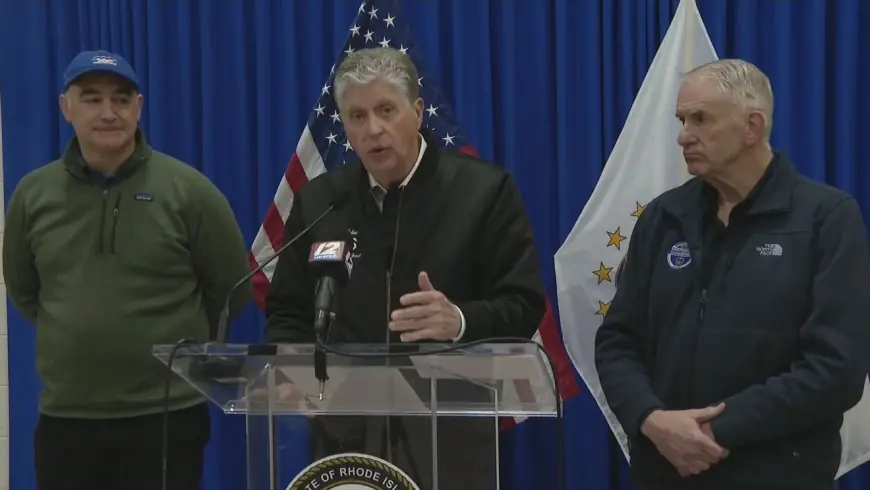
The Ri Travel Ban is immediately concentrating disruption on drivers, municipal plow crews and tens of thousands of residents without power, delaying repairs and frontline response while heavy winds keep road-clearance and utility work dangerous. Recent updates indicate the state of emergency and travel ban will remain in effect through Tuesday morning; details may evolve as crews complete damage assessments once winds ease.
Who is feeling the Ri Travel Ban first — emergency teams, stranded drivers and blackout-hit households
People on the roads are the most visible group affected: disabled vehicles and tractor-trailers are tying up clearance resources and forcing crews to prioritize 911 and public-safety calls. At the same time, roughly 50, 000 customers were without power at mid-morning and utility teams say full restoration will be a multi-day effort. State offices will also remain closed through Tuesday afternoon, pushing administrative services offline while crews focus on life-safety and utility damage assessment.
Here's the part that matters: those who work on or depend on road access — EMS, plow operators, towing teams and drivers — face the fastest knock-on effects from the ban and the ongoing storm environment.
- Plow operations are active but limited by visibility and gusting winds; dozens of plows and municipal crews have encountered stuck or abandoned vehicles that slow clearing.
- Utility crews are staged across the state but cannot safely repair lines while winds remain high; restoration timelines for some customers extend across several days.
- Additional outside crews are expected to arrive to assist, contingent on major roadway conditions.
It's easy to overlook, but the combination of disabled tractor-trailers and sustained gusts is the key limiter on both road clearing and power restoration efforts.
Storm impacts, operational constraints and what the schedule looks like
Gusty winds continue to blow snow into the evening and overnight hours, reducing visibility and repeatedly forcing crews to pause active repairs. Plow fleets from the state and vendors — working around the clock — face difficult conditions that include downed trees, heavy winds and stuck or abandoned vehicles. Emergency operations are focused on life-safety tasks while broader clearance and restoration work waits on calmer conditions.
Utility response is proceeding in stages: crews will do damage assessment first and then begin broader restoration once it is safe to do so. The utility lead notes that restoration for some customers is expected to be a multi-day process and could take up to 72 hours from the outage peak; that timeline implies some households may not have power restored until later in the week.
Travel and logistics remain constrained: additional repair crews from neighboring states are scheduled to mobilize, but their arrival is dependent on interstate travel conditions and major highway passability.
Micro timeline (verifiable items):
- Morning: Gusty winds continue to blow snow into evening and overnight; visibility limited at times.
- Through Tuesday morning: The state of emergency and travel ban are expected to remain in effect and will be reassessed Tuesday morning.
- Recovery window: Damage assessment to begin once winds allow, with some power restorations expected to take up to 72 hours from the outage peak, stretching restoration into later in the week.
Four practical takeaways for residents and responders:
- Expect roads to remain hazardous; avoid travel unless you are conducting a public-safety mission.
- Assume longer outage timelines if you are among the roughly 50, 000 currently without power; prepare for multi-day outages.
- State office closures through Tuesday afternoon mean in-person government services will be limited for the short term.
- Arrival of additional utility crews depends on major-road conditions and interstate passability — that will be the signal restoration efforts are about to scale up.
The real question now is how quickly damage assessment can proceed once winds drop; that assessment will set the pace for broader restoration and road clearing operations. Recent updates indicate the travel ban and emergency status will be revisited in the morning, and authorities will lift restrictions only when emergency and clearing priorities allow.
(Schedule subject to change as conditions evolve. )