

















Kash Patel Olympics appearance deepens scrutiny of FBI travel and could reshape oversight

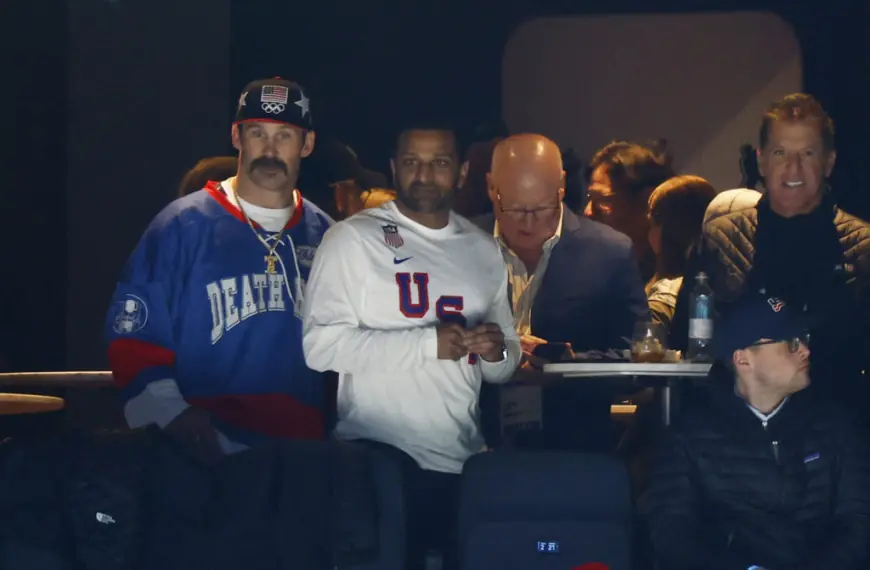
The kash patel olympics locker-room footage landed at a politically sensitive moment and is changing the conversation about how the FBI director uses government travel and public appearances. What matters now is whether congressional scrutiny intensifies, internal agency explanations will satisfy lawmakers, and whether officials can reconcile the celebratory footage with active security responsibilities the bureau was juggling on the same day.
Kash Patel Olympics appearance accelerates oversight questions
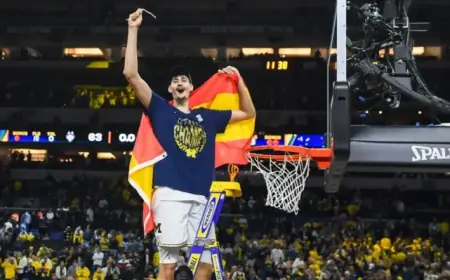
The Milan celebration—coming as the U. S. men’s hockey team claimed a gold medal over Canada, the country’s first Olympic hockey gold since 1980—has split opinion. Some viewed the visit as a patriotic, good-natured show of support; others turned it into fresh criticism of the FBI director’s use of government resources amid an existing pattern of scrutiny over his travel on a government plane.
What happened in Milan — footage and on-the-ground sequence
Video circulating from the locker room showed the FBI director drinking a beer and cheering with players on Sunday. Footage also captured him accepting a gold medal being draped around his neck by a player and joining teammates as they jumped up and down in celebration; at one point he sprayed beer around the room. Prior to the celebration, the director posted on a social account that the FBI was dedicating all necessary resources to investigate how an armed man tried to enter the secure perimeter of the Mar-a-Lago resort in Florida; that alleged intruder was fatally shot by Secret Service agents.
Travel records, stated purposes and previously flagged trips
Public flight data showed the director used a government plane last Thursday to travel from Joint Base Andrews near Washington, D. C., to a U. S. Air Force base in Italy. The agency denied the trip was personal and said it had been planned months earlier, adding that the FBI played a major role in Olympic security and that the director met with Italian law enforcement officials and the U. S. ambassador to Italy. A spokesman for the FBI had said in the days before the game that the trip to Milan was primarily for professional purposes and noted work-related photographs of meetings with European security officials.
What’s easy to miss is that travel questions are layered: the bureau’s Gulfstream G550 has been flagged in coverage of flights that lacked a clear law-enforcement purpose, and congressional Democrats have said they are investigating reports of flights to a hunting resort in Texas and a golfing trip in Scotland.
Two items about the director’s prior attendance at Pennsylvania events appear in the available material but do not align: one account says last November he used the FBI plane to fly to Pennsylvania to see his girlfriend, country music performer Alexis Wilkins, perform; another account points to an October trip to State College, Pennsylvania, tied to a pro wrestling event where Wilkins performed the national anthem and posted photos of the couple together. These timing details are unclear in the provided context.
- Last Thursday: government plane flight from Joint Base Andrews to a U. S. Air Force base in Italy.
- Sunday: locker-room celebration after the win over Canada in Milan.
- Earlier months: the FBI said the trip had been planned months earlier; congressional inquiries about other flights were reported in December.
Political reactions, official defenses and unresolved points
Political responses were immediate. A Colorado congressman called the trip "grift and corruption" and criticized taxpayer funding for the director’s Italian travel. A former Justice Department spokeswoman said the director appeared to be behaving like a frat brother. The director pushed back on criticism on his social account, saying he was extremely humbled to be with the newly minted gold-medal winners when they invited him to celebrate.
The White House signaled support through its communications director, who wrote that the director had been meeting regional partners and security teams in Italy and told a reporter not to be upset because the U. S. team had won. The FBI has also emphasized its role in Olympic security while denying the trip was personal.
Here’s the part that matters: the footage amplified oversight questions already in play and could prompt renewed requests for travel records and clarifications about the official functions tied to each trip.
- The FBI director’s presence at the locker-room celebration coincided with bureau work on a separate security incident involving an alleged intruder at Mar-a-Lago who was fatally shot by Secret Service agents.
- The bureau was listed as assisting in the search for Nancy Guthrie, the mother of a broadcast anchor, who had been missing for more than three weeks.
- The State Department issued a shelter-in-place notice for U. S. citizens in parts of Mexico after local authorities killed a drug cartel leader; that advisory overlapped with the director’s travel timeframe.
- Key outstanding items include confirmation of the primary, documented law-enforcement purposes for each flight and reconciliation of conflicting timing details about past trips.
Final posture and what could confirm the next turn
The bureau’s statement that the trip was planned months in advance and its emphasis on an Olympic security role are official touchpoints. The real question now is whether congressional inquiries or additional travel records clarify the extent to which government resources were used for security work versus personal or ceremonial activity. The director’s prior criticisms of his predecessor for using the agency jet add a reputational layer to the dispute.
It’s easy to overlook, but the overlapping responsibilities—active security inquiries, a missing-person search, and an overseas meeting schedule—are why lawmakers and observers are pressing for a fuller accounting rather than treating the footage in isolation.