













Nick Reiner Pleads Not Guilty as Key Questions Mount While Autopsies Remain Incomplete

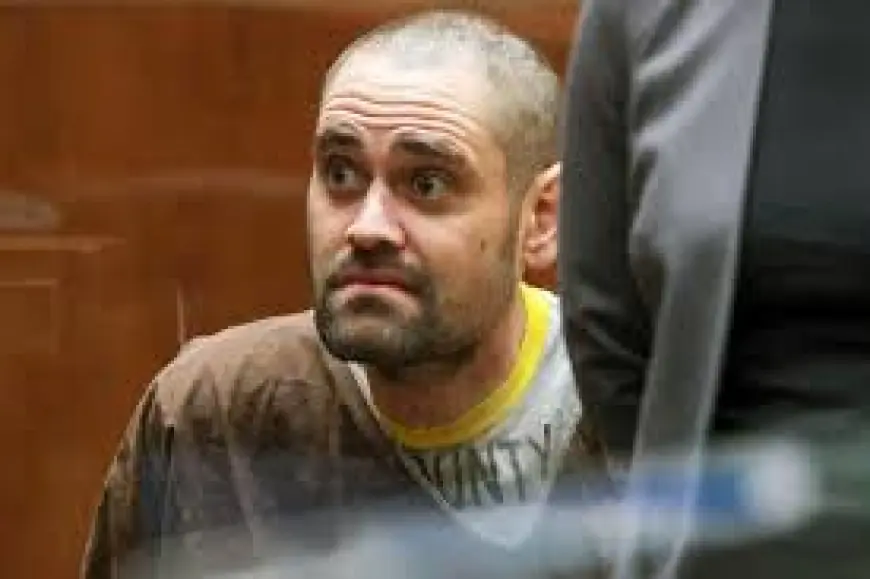
Why this matters now: The case took a clear procedural turn when nick reiner entered a not-guilty plea, but central evidence remains unresolved — Rob and Michele Reiner's autopsy results have not been completed. That gap increases legal and factual uncertainty for the parties directly affected and narrows the immediate public record to the plea itself and an incomplete medical review.
Uncertainty and stakes after Nick Reiner's not-guilty plea
Here’s the part that matters: a formal not-guilty plea shifts the story from an initial allegation to adversarial process, yet the foundational forensic step — completion of the autopsies for Rob and Michele Reiner — is still outstanding. The real question now is how much the incomplete autopsies will constrain what investigators and any eventual courtroom proceedings can present as settled fact; that remains unclear in the provided context.
Plea entered and the named victims
The available information establishes that Nick Reiner pleaded not guilty to murder charges connected to the deaths of his parents, Rob and Michele Reiner. Beyond the plea and the identification of the victims, other routine case details (timing, location, additional charges, or legal arguments) are unclear in the provided context.
Micro Q&A: short answers to immediate questions
- What is known? Nick Reiner has entered a not-guilty plea in the deaths of his parents, who are named as Rob and Michele Reiner. Their autopsy process is not completed.
- What is not known? The timing of the plea, specific charges beyond "murder charges, " investigative findings, and autopsy timelines are unclear in the provided context.
- Who is affected most immediately? The immediate impact is on the accused and the family of Rob and Michele Reiner; other stakeholders and institutional timelines are unclear in the provided context.
Procedural gaps highlighted by incomplete autopsies
Autopsy completion is often a pivotal step for clarifying cause and manner of death; in this situation, those reports have not been finished. That procedural gap is now a visible constraint on the public record: the not-guilty plea exists in isolation from completed medical findings, and the lack of a finished autopsy may delay or complicate how facts are established going forward. It is unclear in the provided context when autopsy results might be completed or how their timing will affect next steps.
Short timeline and forward signals
- Plea entered: Noted that a not-guilty plea was entered by Nick Reiner (date unclear in the provided context).
- Victims identified: The deceased are named as Rob and Michele Reiner.
- Autopsies: The autopsy work for Rob and Michele Reiner is still not completed.
Signals that would clarify the case include completion of the autopsies and the release of additional procedural details; those items are the most likely to change public understanding, but their timing is unclear in the provided context.
It’s easy to overlook, but the narrowness of the public record here — a plea plus an incomplete autopsy — means early narratives can take hold before full forensic facts are available. That gap shapes how the next developments will be interpreted by observers and participants alike.
If you’re wondering why this keeps coming up: the combination of a formal denial of guilt and unfinished forensic work creates both legal momentum and factual ambiguity at once. Until autopsy findings are completed and filed, many basic questions about cause, manner and timing of death remain open in the public record.