























Snow Totals Surge as Bomb Cyclone Buries Northeast, Toppling Records and Grounding Travel


A massive storm that swept the northeastern United States from Maryland to Maine on Monday has left dramatic snow totals across the region and forced wide shutdowns of travel, schools and government activity. The scale of accumulations, combined with hurricane‑force winds in places, produced immediate emergencies, record accumulations in some communities and fresh concerns about more snow later in the week.
Snow Totals Across the Northeast
The storm deposited heavy totals in multiple locations: Central Park in New York City recorded 19 inches (48 centimeters), parts of the metropolitan Northeast saw more than 2 feet (60 centimeters), and Warwick, Rhode Island, exceeded 3 feet (91 centimeters), topping the nation so far. Those figures shattered accumulation records in places and immobilized transit systems across the corridor. The question "How much snow have we gotten so far?" has been answered unevenly from block to block, but the documented measurements make clear the scope of impact.
National Weather Service and the Bomb Cyclone
The National Weather Service characterized Monday's system as a "classic bomb cyclone/nor'easter off the Northeast coast. " A bomb cyclone is defined by a storm's pressure falling by a specific amount within 24 hours, a phenomenon that occurs mainly in the fall and winter when frigid Arctic air pushes south and clashes with warmer air. The Weather Prediction Center's Owen Shieh said the storm hit a "Goldilocks situation" of temperatures that were just right for wet, heavy snow—warmer would have produced precipitation that wasn’t snow, colder would have reduced moisture available to fuel heavy accumulations. What makes this notable is that the atmospheric setup combined both explosive pressure fall and ample moisture, producing unusually heavy, wet snow and widespread disruption.
New York City: First Old-School Snow Day in Six Years
Officials declared emergencies as schools closed across the region; New York City recorded its first "old-school" snow day in six years. Lower Manhattan streets were unusually quiet, with snow shovelers outnumbering the usual commuting office crowd. Luis Valez, a concierge near Wall Street, cleared a sidewalk and described the scene: "It’s very quiet, except for the howling winds, " noting that a couple of residents had left to get essentials and otherwise people stayed inside. In Brooklyn, 57‑year‑old attorney Matthew Wojtkowiak shoveled his block and said the conditions were challenging but familiar: "I’m from the Midwest, so this is in the zone. Not too bad, not too easy, either. " Visitors also reacted to the disruption: Karen Smith and Adele Bawden, tourists from the United Kingdom, said they had been dancing in Times Square in the road during the morning rush. Elsewhere in the city, Ingrid Devita patrolled the Lower East Side on skis to check on residents who might fall or need help.
Transportation, Flights and the United Nations
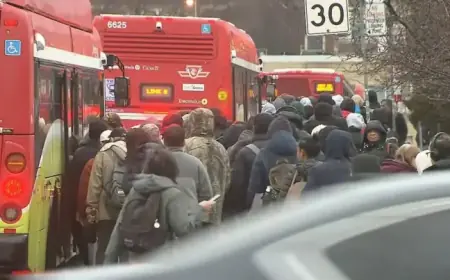
Millions of people were forced to stay home amid strong wind and blizzard warnings as transportation shutdowns closed roads and disrupted flights. The storm's groundings and cancellations extended beyond local travel: the United Nations postponed a Security Council meeting because of the storm. Power failures compounded the emergency response in some areas, and officials across affected states declared emergencies to mobilize resources and public safety operations.
Mystic Seaport Museum and Maritime Response
In Connecticut, crews at the Mystic Seaport Museum prepared to clear snow by hand from a fleet of historic vessels, including the 113‑foot‑long Charles W. Morgan, a 19th‑century wooden whaling ship. Shannon McKenzie, vice president of watercraft operations and preservation at the museum, said shipyard staff will clear the snow by hand using rubber or plast—unclear in the provided context.
The National Weather Service is already tracking another storm that could bring additional snow later this week, extending the operational challenges for road crews, transit agencies and emergency planners. The Weather Channel released video coverage titled "NY 'A World Transformed'" and press headlines described New York's conditions as "Our Situation Has Been A World Transformed, " reflecting the abrupt change in daily life as communities dealt with heavy accumulations, gusts as high as 83 mph (133 kph) recorded in Nantucket and hurricane‑force winds across Cape Cod.
Officials and residents now face the immediate tasks of clearing streets and shorelines, restoring power, and assessing infrastructure stress after a single storm that measured in many places by the foot rather than the inch. The timing matters because another system is already being tracked for later this week, potentially compounding the effort to recover from unprecedented snowfall in parts of the region.