

























Travel Ban Rhode Island Keeps Roads Closed and Crews Stalled as Power Restoration Faces Multi-Day Delay

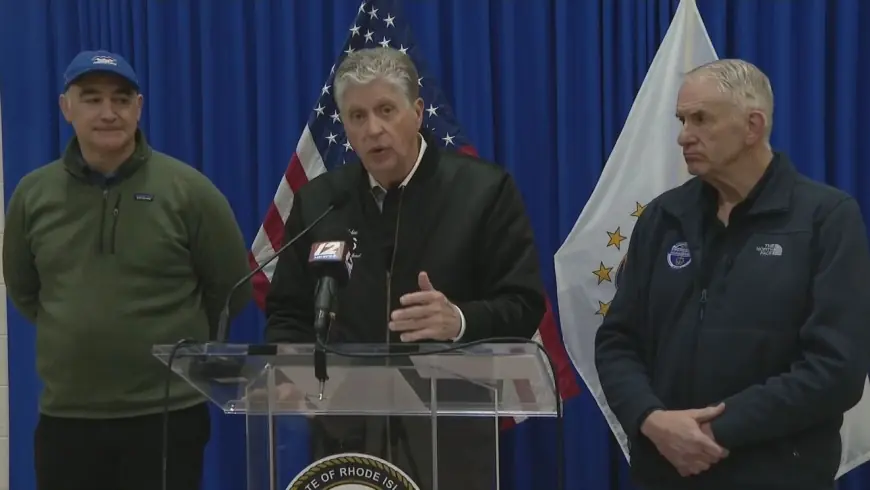
The travel ban rhode island has immediate consequences for commuters, emergency services and thousands of utility customers: plow operations are limited by low visibility and stuck vehicles, damage assessments are delayed until winds ease, and power restoration is expected to stretch into a multi-day effort. State offices will stay closed through Tuesday afternoon while officials give crews time to make overnight progress.
Who is feeling the impact first under Travel Ban Rhode Island
Here’s the part that matters: municipal plow teams, utility repair crews and people without power are bearing the earliest effects. Plows can only clear when visibility permits, and stuck or abandoned vehicles — including tractor-trailers — are tying up resources and slowing clearance. Roughly 50, 000 utility customers were without power at about 10 a. m., and restoration teams report gusting winds prevent safe repairs on downed lines.
What’s easy to miss is that the travel ban is being held in place not just to keep people off hazardous roadways but to protect the very crews needed to restore services; crews are staged but cannot safely make repairs while winds remain extreme.
Operational picture and timeline of the emergency response
Officials have kept the state of emergency and the travel ban active through Tuesday morning so plow crews can make progress overnight and so damage assessments can begin when conditions permit. State offices will remain closed through Tuesday afternoon because of the blizzard’s impact.
- Monday morning: officials urged residents to stay off roads as crashes and disabled tractor-trailers were consuming response resources; plows continued clearing when visibility allowed.
- Late Monday afternoon: utility teams planned to begin damage assessments once winds eased.
- Tuesday morning: the travel ban and state of emergency are to be reassessed to determine next steps for road clearance and restoration work.
- Outage restoration: utility leadership warned that full restoration could be a multi-day process, with some customers potentially waiting up to about 72 hours from the outage peak.
Road operations are intense: about 500 plow trucks, a mix of state and vendor equipment, are working around the clock but face limited visibility, downed trees and vehicles blocking routes. Additional utility crews from out of state were expected to be staged to join repairs, contingent on major road conditions being passable.
The real question now is how quickly visibility and road clearance improve enough to move from emergency-only responses to broader restoration and reopening. Emergency responders have been prioritizing 911 and public-safety access while crews assess widespread damage.
Local leaders have repeatedly asked residents to respect the travel ban to avoid clogging routes and diverting scarce resources; officials noted that many residents are complying, but those who travel unnecessarily increase risk and slow the work of plows and emergency teams.
Key operational constraints that will shape the next 48–72 hours: gusting winds that prevent safe line repairs, stuck plow trucks that limit road clearance progress, and the presence of disabled large vehicles that require coordinated removal before lanes can reopen. Restoration progress depends on a sequence of clearing, assessment and then staged repairs once crews can work safely.
Small practical note for affected residents: assume state offices will be closed through Tuesday afternoon and expect potential multi-day power outages for some areas while staged restoration continues. The situation will be reassessed Tuesday morning to guide next moves.
The bigger signal here is how interdependent road clearance and power restoration are: until plows can reach trouble spots and winds let crews work, timelines will be measured in days rather than hours.