

















Eurostar could massively cut boarding times at St Pancras — slashing eurostar waiting times by 30 minutes

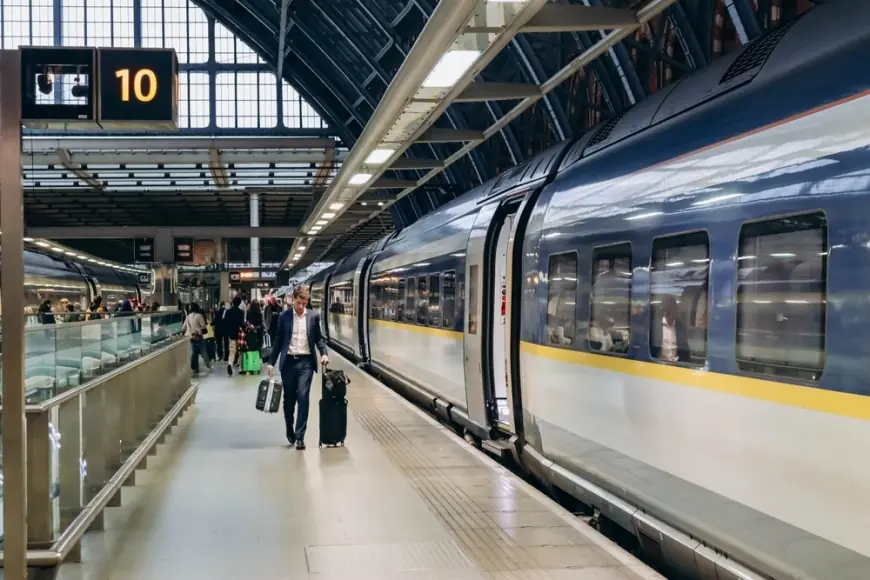
This week station bosses said taking the eurostar has become “too close to the airport experience” and outlined plans to let passengers board straight after security, which could shave up to 30 minutes off current waiting times. The proposals sit alongside a planned £100m renovation of London St Pancras International and a wider push to expand capacity.
Eurostar plans and boarding times
Under the proposals, passengers would be able to wait directly on trains at platforms after passing through security instead of being held in an overcrowded departure lounge until just before departure. Station management have suggested boarding times could be cut by 30 minutes, moving check‑in rules from the current requirement of at least 60 minutes before boarding to around half an hour.
Security and border processing
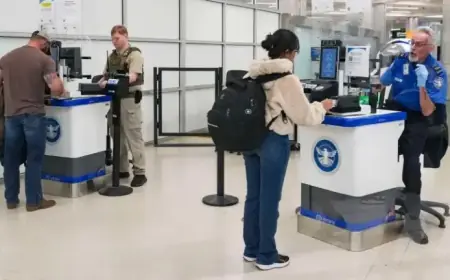
Overcrowding in St Pancras’ Eurostar departure lounge was made worse by the expansion of border controls and the installation of more kiosks to accommodate the EU’s Entry/Exit System. New rules forced the lounge to downsize, often leaving passengers without enough seats. Wendy Spinks, chief commercial officer at London St Pancras Highspeed, said: "Over time, security and border processing has taken up more and more space so that when you get through security, there’s nothing there. There is a mismatch between what the route can handle and what the station can handle. "
Station renovation and capacity
The suggested changes could be introduced alongside a £100m remodelling of St Pancras intended to make more space for passengers, including expanding queuing zones in place of rarely used arrival halls. The station is aiming to increase passenger numbers from 2, 000 per hour to nearly 5, 000 per hour by the end of 2028 to manage the planned boost in capacity.
Competition and shared platforms
The plan is timed to ease pressure ahead of the potential arrival of new Virgin and Trenitalia cross‑Channel services towards the end of the decade. New rail companies would be expected to share the five international platforms at St Pancras, with passengers directing themselves to the correct service after passing through security. As Spinks put it: "If you look at Gare du Nord in Paris, they have trains going all over the place. It is [each passenger’s] job to get on the right one. "
Return to a domestic experience
Station authorities want to return the London St Pancras terminal to a more traditional domestic railway experience. "It cannot be the equivalent of an airport departure lounge. We see [boarding under the new plans] being a really quick process. Going straight to the train is part of the plan, " Wendy Spinks said. She added that while some passengers will still need to arrive earlier for processing, "at least 50% of passengers should go straight to the train. "
The proposals would apply only to London St Pancras and not to Paris Gare du Nord or other mainland stops. Proponents say easing congestion and improving passenger flow is a major priority amid new EU border security regulations, station expansion, increased Eurostar capacity and anticipated incoming competition on the London‑Paris rail route.
Not all measures are finalised: the proposals have not been officially confirmed. For now, passengers are advised to continue allowing plenty of time at St Pancras before journeys to Paris, Lille, Amsterdam, Rotterdam or Brussels. The wider station programme also sits alongside a controversial £1. 2 billion makeover that has been officially approved.
Closing: The plans aim to cut waiting times, alter check‑in from 60 to 30 minutes at St Pancras, and coordinate with a £100m remodelling and capacity increase to nearly 5, 000 passengers per hour by the end of 2028, while preparing the station for new operators and the effects of the EU’s Entry/Exit System.