


















Robert Carradine Dead at 71: Family Reveals He Took His Own Life After Long Bipolar Struggle

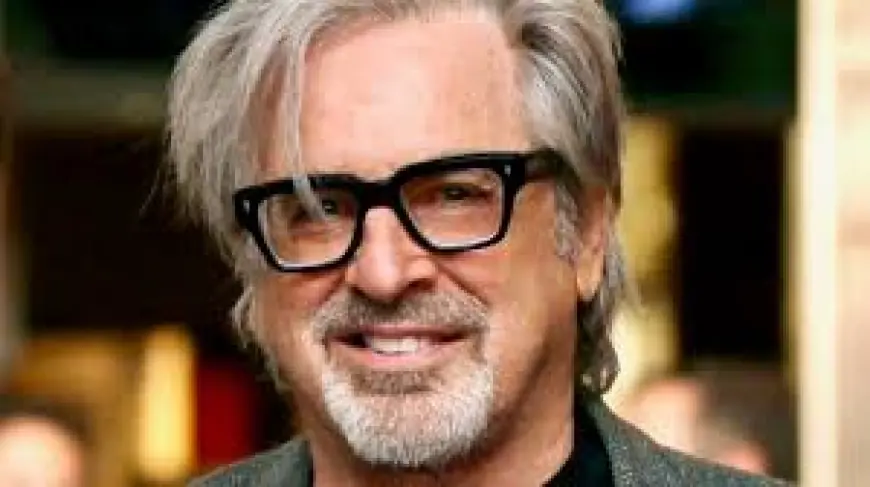
Actor robert carradine has died at age 71. Family members say he took his own life after a nearly two-decade struggle with bipolar disorder, and they have asked for privacy while mourning a beloved father, grandfather, uncle and brother.
Robert Carradine's Death and Family Statement
The family’s public message described Robert Carradine as a steady presence within a storied acting family and emphasized both his warmth and the seriousness of his illness. They noted his long battle with bipolar disorder and framed his passing as the tragic culmination of that struggle. The family requested privacy as they grieve and expressed a hope that greater understanding and reduced stigma around mental illness might follow from his experience.
Robert Carradine is survived by his children, grandchildren, brothers, nieces and nephews. An older brother described Robert’s life as one of talent, humor and acceptance, and urged recognition of his valiant fight against mental illness rather than shame.
Career Highlights: The Long Riders, Revenge of the Nerds and Lizzie McGuire
robert carradine’s career spanned film and television and included a number of widely recognized roles. Early in his career he made a big-screen debut alongside a major star in a 1972 western. He went on to appear in high-profile films of the 1970s and 1980s, including acclaimed dramatic work and genre favorites.
- Born March 24, 1954, the youngest son of a noted actor and part of a family of performers.
- Big-screen debut in 1972 alongside a leading western star.
- Performed in films that received significant festival attention in 1980, including roles in two films that were present at Cannes.
- Best-known credits include The Long Riders, Revenge of the Nerds, and a role in Lizzie McGuire later in his career.
His work in ensemble projects sometimes mirrored his real-life family ties; on at least one occasion, casting used real siblings to portray historical siblings on screen. That creative choice became one of several memorable moments in a career defined by both dramatic range and popular recognition.
What This Means Now and What Comes Next
The immediate focus is on the family’s request for privacy and on the importance they placed on acknowledging mental illness openly. The circumstances of his death and the family’s emphasis on his bipolar disorder invite renewed attention to conversations about mental-health stigma and support for those who struggle long-term.
Public remembrances and tributes are expected to follow as relatives, colleagues and fans reflect on his body of work and his role within a multigenerational acting family. Funeral or memorial details have not been released publicly; the family has asked for space to grieve while they make arrangements.
Recent updates indicate this account of events is based on the family’s statement and the materials released at the time of his death. Details may evolve as the family shares further information, but their initial message centered on honoring his life, recognizing his struggles, and requesting privacy.