




















Jane Andrews: Family in Tears as New Four-Part Drama The Lady Premieres


Jane Andrews is at the center of a new four-part television drama that has left the brother of her victim in tears, more than 25 years after the killing. The series premiered on Sunday night and has reignited debate about how the case is portrayed, the impact on the victim’s family and whether long-closed legal questions should be revisited.
Family reaction: Rick Cressman on the new drama
Rick Cressman, a business owner from Warwickshire, said watching the new drama that follows Jane Andrews brought him to tears by the final episode. He described the experience as very emotional and said protecting his brother’s memory and legacy has become increasingly important over the past 25 years.
Rick explained that fictionalising a genuine, still-living family story is difficult for those who have lived it, and that his family has had to cope with repeated media attention. He said he had cooperated with media over the years out of duty to his brother, that he was concerned when the four-part dramatisation was announced in December of 2024, and that he was given a private screening before the premiere.
He also warned he could not allow his brother’s memory to be besmirched by dramatic recreations and noted that further productions are in development by a US news organisation and a streaming platform, which he said would represent the twelfth television production about the case.
The Lady: casting, scope and depiction of Jane Andrews
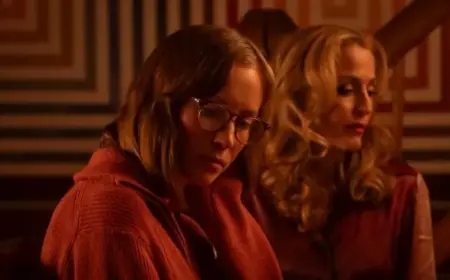
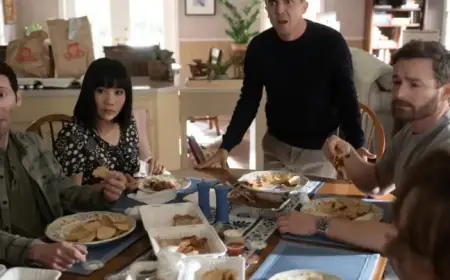
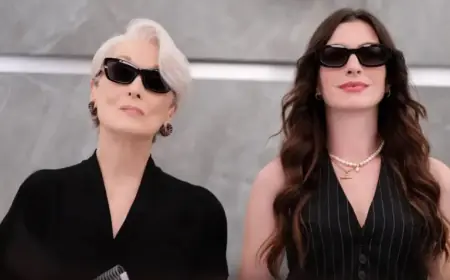
The four-part series, titled The Lady, follows the life of Jane Andrews and her time as a royal aide. The programme casts Natalie Dormer as Sarah Ferguson and Mia McKenna-Bruce as Jane Andrews, depicting Andrews as the Duchess of York’s former dresser. The drama begins with a working-class Jane trying to fit into a new royal world while managing worsening mental health, and the production has been described by its makers as a gripping true-crime drama.
Jane Andrews: the crime, conviction and sentence
Businessman Tom Cressman was murdered in London in 2000. Tom, who was the brother of Rick Cressman, was attacked with a cricket bat and fatally stabbed by his partner Jane Andrews while he slept at their London home. The then-34-year-old denied murdering Tom on the basis that he would not marry her, but was convicted of the businessman's murder and was ordered to serve at least 15 years in prison in 2001.
Jane Andrews is from Cleethorpes, north-east Lincolnshire, and was employed by Sarah Ferguson for nine years. Ferguson was later involved in police efforts to track Andrews down.
Calls for balance and legal context surrounding Jane Andrews
A leading lawyer who represented Jane Andrews at a 2003 appeal has commented ahead of the new series that Andrews was convicted more than 25 years ago, long ago served her prison sentence and has tried to move on. The lawyer said Andrews did not contribute to The Lady, nor to previous TV documentaries about the case, and warned that repeated one-sided portrayals intensify media interest and can distort the underlying story.
The comment highlighted concerns that prosecution narratives and media coverage can rely on sexist tropes such as labels of a "fatal attraction killer" or "gold hunter, " and argued that such framing can obscure factors like abuse, control and underlying mental health vulnerabilities. The lawyer pointed to the precedent of another case, Sally Challen, and the current understanding of coercive control as potential grounds that could assist Jane Andrews if she chose to seek a fresh appeal now. An in-depth briefing providing context and background to the case has been prepared by the lawyer’s organisation.
What the drama focuses on and what may come next
The Lady’s narrative focus on Jane Andrews’ working-class origins, accession into a royal household and declining mental health forms the centrepiece of the four-part story. The family reaction, the lawyer’s comments about one-sided portrayals, and the existence of further productions in development mean public discussion about the case is likely to continue.
Recent updates indicate renewed attention on long-past events; details about any legal steps remain a matter for those directly involved. Viewers and observers should note that dramatisations fictionalise aspects of real cases, and that debate about balance, memory and legal redress is ongoing.