


















Harrison Barnes and the Fallout of Sacramento’s 16-Game Losing Streak After Spurs 139-122 Win

Who feels this most right away? Sacramento fans, the roster’s evaluators, and long-term planning for the franchise. The Spurs’ 139-122 victory left the Kings mired in a 16-game skid, magnifying questions that already populate conversations — and yes, searches for names like harrison barnes will surface as fans and analysts track roster value and trade narratives moving forward.
Harrison Barnes, immediate impact and what’s at stake for Sacramento
Here’s the part that matters: a loss that extends to 16 in a row doesn’t just affect the next game; it reshapes narratives about team direction, roster construction, and draft math. Sacramento sits at 12 wins and a roughly. 211 winning percentage, a mark compared in the coverage to the franchise’s previous low point. The Spurs’ performance exposed both the Kings’ defensive gaps and a widening talent gap in key matchups.
Game context and decisive elements embedded in the scoreline
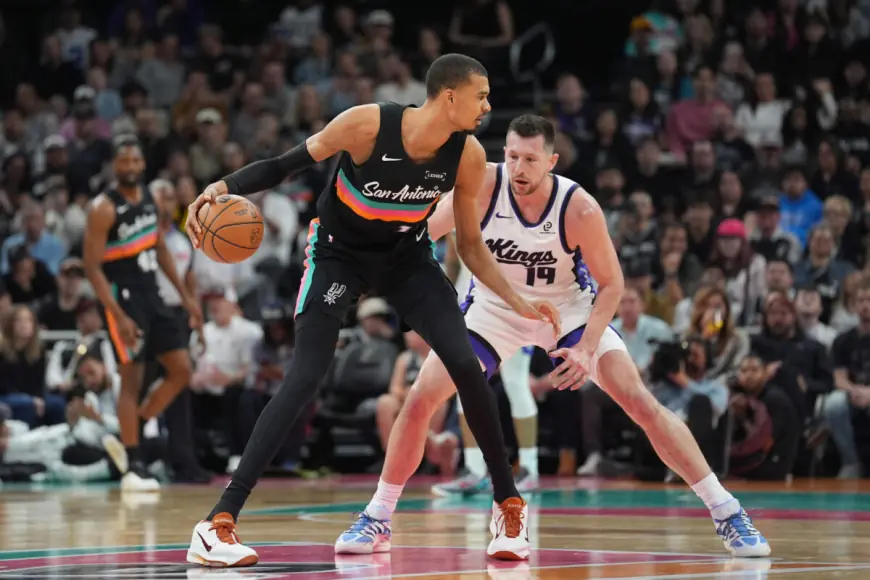
The scoreline — Spurs 139, Kings 122 — hides how the game tilted. Sacramento was within a point late in the third (down 88-89 with 4: 39 remaining in that quarter), but by the start of the fourth quarter they trailed by 14 and the Spurs expanded from there. The Spurs dominated the paint, finishing with 74 points down low. Individual lines that shaped the night: San Antonio’s leading big finished with 28 points, 15 rebounds, 6 assists and 4 blocks; a Spurs role player added 16 points and 12 rebounds in 26 minutes; Keegan Murray led the Kings with 20 points in 36 minutes while De’Aaron Fox had 18 points and 5 assists. The location was the Moody Center in Austin, Texas.
It’s easy to overlook, but the Spurs’ 74 points in the paint on a single night is a stark matchup gap that goes beyond individual box scores — it’s a structural mismatch the Kings need to address if they want to halt the slide.
- Score and streak: Spurs 139, Kings 122 — Sacramento’s 16th consecutive loss.
- Standings snapshot from the coverage: Kings at 12 wins; the next-worst teams were listed with 15 wins.
- Key contributors noted: Spurs’ 28/15/6/4 performance from their star big; Kings’ leading scorers: 20 and 18 points from two players.
- Timing detail that mattered: Kings were within one late in Q3 but entered Q4 down by 14; the Spurs pulled away thereafter.
If you’re wondering why this keeps coming up, consider the historical comparison that was raised: the current run sits alongside the franchise’s worst seasons since relocation, with prior low-water marks called out for context. That historical frame fuels stronger scrutiny of roster construction and front-office strategy.
Key takeaways you can use right away:
- The loss extends an active losing streak that changes short-term decision calculus for the Kings’ front office and coaching staff.
- Interior defense and paint scoring were decisive — Spurs 74 points in the paint was the clearest on-court signal of separation.
- Individual nights can obscure systemic problems: one Spurs player’s near-30/15 line plus rim protection swung tempo and matchups.
- Standings pressure: the Kings’ 12-win total makes them one of the league’s lowest-win teams, shifting conversations toward long-term fixes rather than incremental tweaks.
The real question now is how quickly the Kings pivot: internal adjustments, youth development and roster moves will determine whether this stretch is a temporary collapse or the start of deeper rebuilding. Recent coverage places the team’s current record into historical context, which hardens the stakes for every upcoming game.
What’s easy to miss is that single-game stats like paint scoring can forecast longer trends: repeated deficits inside the arc and at the rim compound into losing streaks, and reversing that requires both schematic change and healthier defensive rotations.
Writer’s aside: The bigger signal here is less about one loss and more about pattern — when a team drops 15–16 straight, the conversation naturally shifts from lineup tweaks to organizational choices that affect months and years, not just the next matchup.