



















When Is The State Of The Union Address 2026: Trump to Speak to a Changed Nation Before a Sidelined Congress

When Is The State Of The Union Address 2026 is a question with a clear answer: President Donald Trump will deliver the annual message to Congress and the nation on Tuesday, Feb. 24. The timing matters because the speech arrives amid a partial government shutdown and other political headwinds that will shape both tone and substance.
When Is The State Of The Union Address 2026: Date, Times and Broadcast Schedule
The State of the Union will be delivered on Tuesday, Feb. 24. Broadcast coverage begins at 6 p. m. Eastern Time with digital special programming at 8 p. m., and the President’s address is scheduled to start at 9 p. m. ET. A post-speech conversation is slated for Wednesday at 11 a. m. ET to parse takeaways.
Media teams and on-air hosts named for the coverage include Lisa Desjardins and the politics team, Amna Nawaz and Geoff Bennett as on-air hosts at 9 p. m., and Deema Zein moderating the Wednesday 11 a. m. ET conversation with Capitol Hill correspondent Lisa Desjardins and White House correspondent Liz Landers. Live American Sign Language interpretation will be provided by D-PAN.
President Donald Trump’s Agenda: Mass Deportation, Deregulation and “Law and Order”
Mr. Trump is expected to use the speech to outline what he sees as his administration’s accomplishments on issues described as mass deportation, deregulation and "law and order, " and to tout efforts to end several global conflicts. This address is the first State of the Union of his second term and is being positioned as one of his biggest opportunities to make the case for keeping his party in power in the November midterm elections.
What makes this notable is that those policy themes are being presented against a backdrop of domestic and international strains that could alter reception and messaging choices.
Gov. Abigail Spanberger and the Democratic Response
The official Democratic reply will be delivered by Gov. Abigail Spanberger, identified as Virginia’s first woman governor and a vocal critic of Mr. Trump. Spanberger won election last November in an off-cycle contest described as being dominated by Democratic wins and seen as a warning sign for Republicans ahead of the midterms.
Capitol Calculus: Partial Shutdown, Polls, Iran Tensions and Supreme Court Ruling
Several concrete pressures are converging on the Capitol. A partial government shutdown is underway, poll numbers for the administration are described as flagging, tensions with Iran are rising, and the Supreme Court has issued a decision that nixes the President’s main economic policy. Those factors are likely to steer both the content of the address and the political calculations behind it: immediate crises constrain agenda-setting, and legal and approval setbacks concentrate emphasis on political defense and mobilization for November.
White House Activity Before the Address: Press Briefing and Governors Dinner
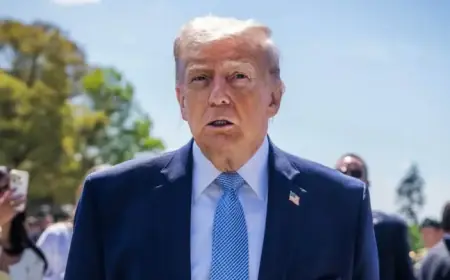
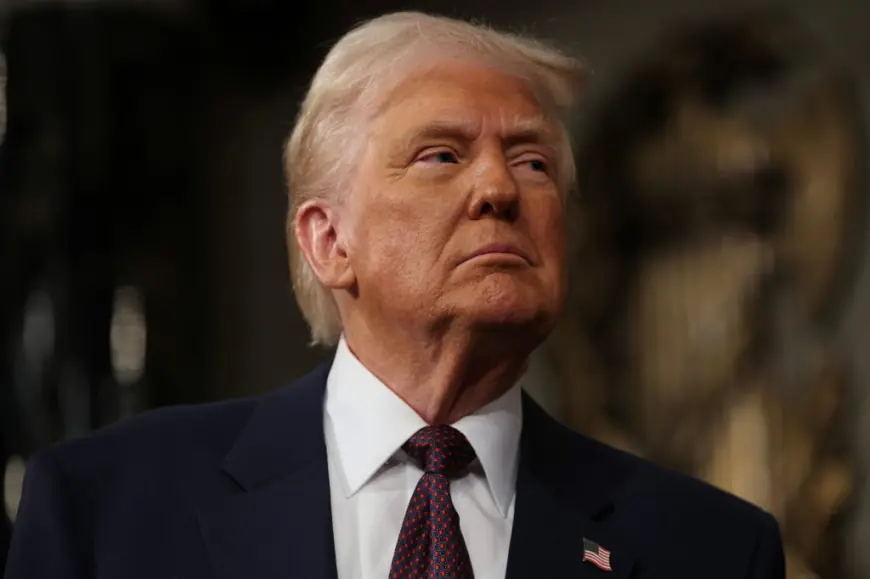
In the days leading up to the State of the Union, President Donald Trump held a press briefing at the White House on Feb. 20 and attended the National Governors Association dinner at the White House on Feb. 21. Photographs of those events were taken by Allison Robbert and Evan Vucci. The visual record of those appearances frames a White House preparing for a high-profile address to a Congress it has largely sidelined.
Coverage teams credited in planning and promotion of the broadcast include contributors Konstantin Toropin, Ben Finley, Farnoush Amiri and Seung Min Kim, alongside named correspondents and producers. Platforms listed for live distribution include multiple digital and social outlets, and programming will offer both television and streaming options.
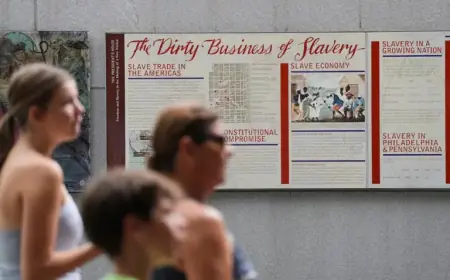
The speech will be watched not only for immediate policy announcements but as a political signal: with the 250th anniversary of the founding of the United States noted as part of this year’s context, the administration is expected to lean into a theme of patriotic history and an "anti-woke" approach to national memory—an element that organizers have worked to project across public institutions.
In short, the Feb. 24 address is set against a suddenly transformed nation and a Congress the President has sidelined, offering a concentrated moment for Mr. Trump to defend his record, press policy themes central to his administration, and try to shape voters’ attitudes ahead of the midterm elections.