























Is Cancun Safe Right Now: What Travelers, U.S. Citizens and Airlines Are Facing Ahead of Spring Break

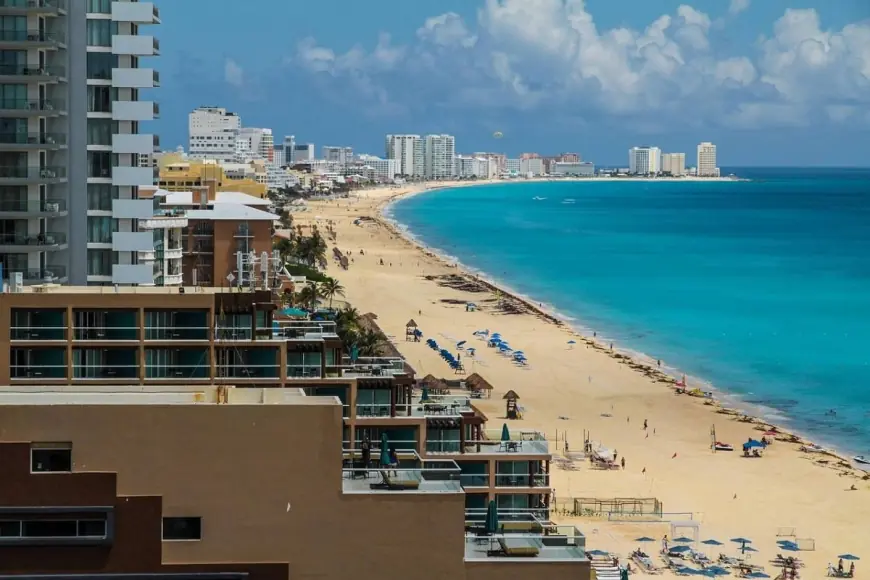
With just weeks until Spring Break 2026, many tourists and U. S. citizens are asking is cancun safe right now — and the timing matters because travel demand is peaking while security and health signals are elevated. Hundreds of travelers were stranded after dozens of flight delays and cancellations, U. S. officials issued shelter-in-place guidance for parts of Quintana Roo, and public-health agencies are still flagging mosquito-borne illnesses.
Is Cancun Safe Right Now — who is feeling the impact first
Tourists, American residents and airline crews are bearing the immediate effects: disrupted itineraries, longer waits at terminals, and greater uncertainty about ground transport. Airlines are juggling crew movements and rotations as road blockages and criminal activity across multiple Mexican states complicate logistics. Reinforced security at Cancún International Airport (CUN) has kept the airport open, but ripple effects continue through the day.
Flight disruptions and airport operations (embedded detail)
On February 23, 2026, Cancún International Airport faced significant disruption: dozens of flights were delayed or canceled and hundreds of travelers were left stranded amid heightened security measures. Airport officials confirmed CUN remained operational, with no closures.
Delays and cancellations also hit Mexico City’s Benito Juárez International Airport, amplifying chaos across two of the country’s busiest hubs. A combined total of 62 delays and 29 cancellations were recorded across the two airports: Cancún experienced 40 delayed flights and 23 cancellations, while Mexico City had 22 delays and six cancellations.
Multiple carriers saw uneven impacts: one carrier had three cancellations and 10 delays, another had one cancellation and two delays, one logged six delays, and additional international carriers recorded delays. Passengers described long queues, extended waits and confusion as airlines worked to reorganize schedules. For travelers with tight connections, delays of several hours can mean missed tours, lost hotel bookings and unexpected expenses.
Why security alerts escalated and where officials urged shelter
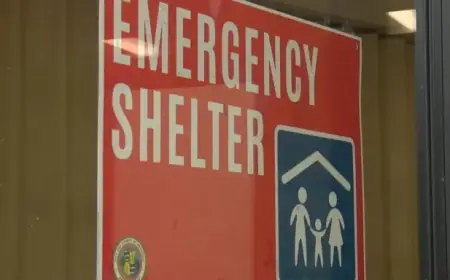
An updated U. S. Embassy security alert issued on February 22, 2026 urged American citizens in Cancún and other parts of Quintana Roo — including Cozumel, Playa del Carmen and Tulum — to shelter in place until further notice. The alert cited ongoing security operations, road blockages and heightened criminal activity.
The shelter-in-place guidance was recommended across widespread areas beyond Quintana Roo: Jalisco (including Puerto Vallarta, Chapala and Guadalajara); Baja California (including Tijuana, Tecate and Ensenada); Nayarit (including Nuevo Nayarit/Nuevo Vallarta); Sinaloa (including Mazatlán); and areas of Colima, Guanajuato, Guerrero, Estado de Mexico, Michoacán, Nuevo León, Oaxaca, Puebla, Querétaro, San Luis Potosí, Tamaulipas, Veracruz and Zacatecas states.
U. S. government staff in Guadalajara, Puerto Vallarta, Ciudad Guzmán, Cancún, Playa del Carmen, Cozumel, Reynosa, Tijuana and Michoacán were expected to shelter in place and work remotely. All U. S. government staff at the Consulate General Monterrey were directed to remain in the Monterrey metropolitan area, and staff were directed not to travel to Mazatlán through Wednesday. U. S. government employees are not permitted to travel between cities after dark and may only use regulated taxi stands or app-based services such as Uber or Cabify; they are urged to avoid traveling alone, especially in remote areas.
The recent spike in unrest followed a Mexican army operation that killed Nemesio Rubén Oseguera Cervantes, known as El Mencho, in Tapalpa, Jalisco. That operation has been linked to subsequent reports of roadblocks, arson and flight disruptions attributed to suspected cartel members. So far no airports have been closed nationwide, but roadblocks led to suspension of most services at Puerto Vallarta and Guadalajara and have affected airline operations more broadly. Ride-share services such as Lyft and Uber were suspended in Puerto Vallarta. Late on Sunday, authorities said operations would be temporarily curtailed on toll roads in Puebla, Guerrero, Tamaulipas, Nayarit, San Luis Potosí, Tijuana, Querétaro, Veracruz and Mazatlán because of blockades.
Health risks: mosquito-borne illnesses still part of the travel equation
Travelers to Cancún and surrounding Quintana Roo should also be aware of mosquito-borne risks. Dengue remains endemic: in 2025 Mexico reported approximately 141, 421 total cases and 85 deaths nationwide, with Quintana Roo, Veracruz and Sonora accounting for a notable share. As of early 2026 (through epidemiological week 4), Mexico recorded 185 confirmed dengue cases and 1, 972 probable cases in the first two weeks — an 83% decrease from the same period in 2025, though experts warn seasonal increases may occur.
Chikungunya transmission has been sporadic and low; in 2025 there were about four confirmed cases, primarily in Quintana Roo, Chiapas and Yucatán. Zika activity has declined sharply: 2025 saw four confirmed cases nationwide, down from 30 in 2024. Public-health authorities note Zika poses particular risks to pregnant women. Health agencies emphasize mosquito bite prevention.
Practical steps, passenger rights and next confirmation signals
Here’s the part that matters for travelers: airports remain open but expect delays and allow extra time. Check flight status through official airport portals or airline apps and speak directly with airline representatives about rebooking or refunds, since passenger-rights rules generally provide remedies for canceled flights. Airlines and airport teams are responsible for rerouting aircraft and assisting passengers as disruptions accumulate.
- Key indicators that operations are stabilizing: fewer same-day cancellations at Cancún and Mexico City, restoration of ride-share services in affected cities, and reopened toll-road operations.
- Immediate practical steps: confirm airport status before traveling, plan for missed connections, document expenses tied to disruptions and contact your airline for rebooking/refund options.
- Groups most affected: international tourists, business travelers, domestic commuters and airline crew rotations.
- Health signal to monitor: any uptick in dengue, chikungunya or Zika cases during the season would change personal-preparation needs, especially for pregnant travelers.
What’s easy to miss is that even when an airport remains open, local ground conditions — road blockages, suspended ride services and curtailed toll-road operations — can strand travelers far from terminals. The real question now is whether security operations and airline schedule fixes will ease before peak spring travel intensifies; confirmation will come through fewer cancellations and restored ground transport services.