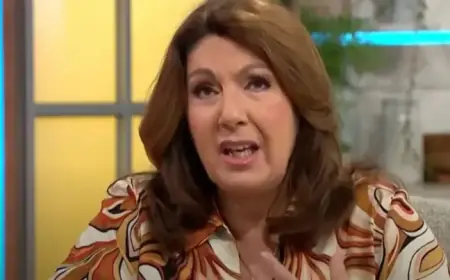













Ruth Langsford opens up: memoir extracts and a weekend interview reshape the conversation on trauma

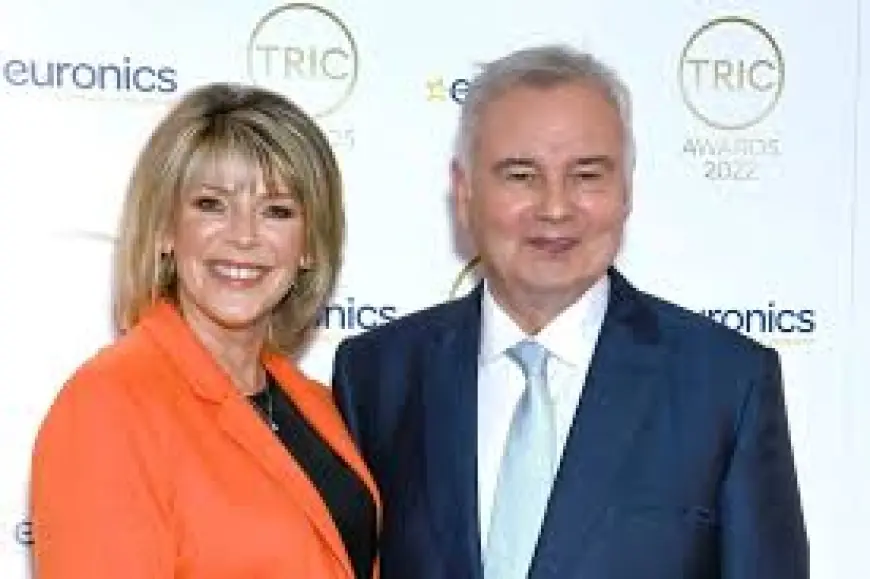
Why this matters now: ruth langsford has placed two private ruptures — the end of her marriage and the loss of her sister to suicide — at the centre of a new memoir and a high-profile weekend interview published 12: 12 GMT 20 Feb 2026 (updated 17: 22 GMT 20 Feb 2026). The timing and candour make this immediately relevant to readers navigating midlife loss and recovery, especially those juggling family care, work and identity shifts.
Ruth Langsford — who feels the impact first and how it lands
The immediate impact is felt by people in midlife roles and those who care for others: readers confronting divorce, grief or the pressure of being part of the sandwich generation are likely to resonate first. Here’s the part that matters — Langsford frames her experience as a route map rather than a cautionary tale, sharing therapy, emotional acceptance and practical steps she used to rebuild a daily life after trauma.
Details from the interview and memoir extracts
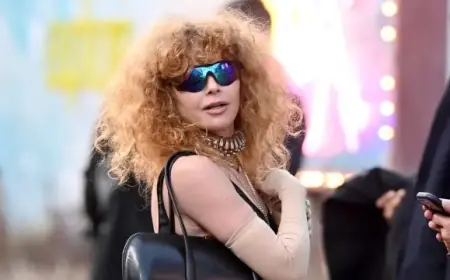
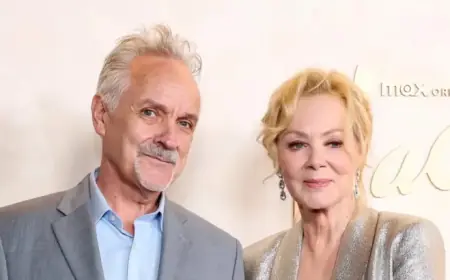
In an interview published 12: 12 GMT 20 Feb 2026 and later updated at 17: 22 GMT that day, Sarah Oliver profiles Langsford as she opens up for the first time about two defining wounds: the breakdown of her marriage to Eamonn Holmes and the suicide of her big sister, Julia. The interview and the first of two exclusive memoir extracts reveal that, a year after their split, Langsford was still wearing her platinum wedding ring; one night in May last year a conversation with close friends led her to remove the ring during an emotional moment that she describes as an acceptance point.
Langsford, 65, is described in the interview as crying when she speaks — not show tears but the deeper kind that make her voice catch — and she says it has been almost two years since the separation was announced, though it feels like two months to her. The split itself is placed in 2024; the man involved had been her partner for 27 years and her husband for 14. Early on she felt broken — broken heart, broken dreams — and struggled with catastrophising thoughts about being alone, but eventually age and experience helped her accept that she would not "die from divorce" and that she needed to create her own happiness.
Her recovery strategy is concrete and varied: she returned to work, focused on mothering her son Jack, now 23, and threw energy into cooking, travelling and gardening. She also completed her first book. Langsford declined early-career offers to author autobiographies or ghosted fiction until she felt she had something substantive to say; that project became Feeling Fabulous — described in the interview as roughly 200 pages, part memoir and part manifesto for midlife, drawing on six decades of life and offering practical takeaways for feeling, looking and doing better.
What's easy to miss is how small domestic details are used to humanise the larger arc: she is pictured as the woman with a curler in her fringe, an annoying bra that chafes, a fondness for a strong G& T and excellent cake, and she speaks as a member of the sandwich generation who juggled career, childrearing and caring for parents with dementia. The book also marks the first time she has spoken about losing her big sister Julia to suicide and what that taught her about grief and loss.
Weekend coverage pairing and wider features
The weekend issue that carries Langsford’s extracts also launches an exclusive two-part weight-loss guide led by resident Inspire columnist Dr Max Pemberton and weight management expert Dr Courtney Raspin. Their material — drawn from a new book called The Weight Loss Prescription — focuses on making use of temporary suppression of food cravings and teaches skills such as 'urge surfing' and 'emotional regulation' to maintain progress, handle setbacks and build lasting habits.
Other entertainment angles in the same package
Also noted in the weekend coverage: Sophie Skelton, who has spent the past decade travelling between centuries in the smash-hit series Outlander, leads a fashion issue interview and pays tribute to her on-screen family as they approach their final season next month. Outlander is described as a global phenomenon watched by over 30 million viewers; Skelton appears as a rising star and fashion presence who shares style secrets with interviewer Julia Llewellyn Smith.
Signals and what could confirm the next turn
- Publication timestamps (12: 12 GMT 20 Feb 2026; updated 17: 22 GMT 20 Feb 2026) show the interview is freshly released and will likely drive immediate reader response.
- If sales or public conversation around Feeling Fabulous spike, that would confirm the memoir is shaping midlife discourse.
- Close attention to how readers and mental-health advocates respond to Langsford’s openness about therapy and sister’s suicide will indicate whether this fuels broader stigma-shifting discussion.
The real question now is how readers processing similar losses will use these candid details in their own recovery. The interview and memoir extracts put practical recovery and small, lived details side-by-side, which can be more instructive than a distant clinical summary.
Byline detail in the interview names Sarah Oliver as the writer of the profile published 12: 12 GMT 20 Feb 2026 and updated at 17: 22 GMT the same day. Recent extracts from Feeling Fabulous are presented as part of that weekend package. Details beyond what appears in the published interview are unclear in the provided context.
The bigger signal here is that a mainstream figure choosing to name therapy, grief and the mechanics of acceptance can shift private experiences into public practices people actually try.