






















Olympic Medal Count Shockwaves: How Norway’s Small Population and Big Sweep Reshaped Narratives at the Closing Ceremony

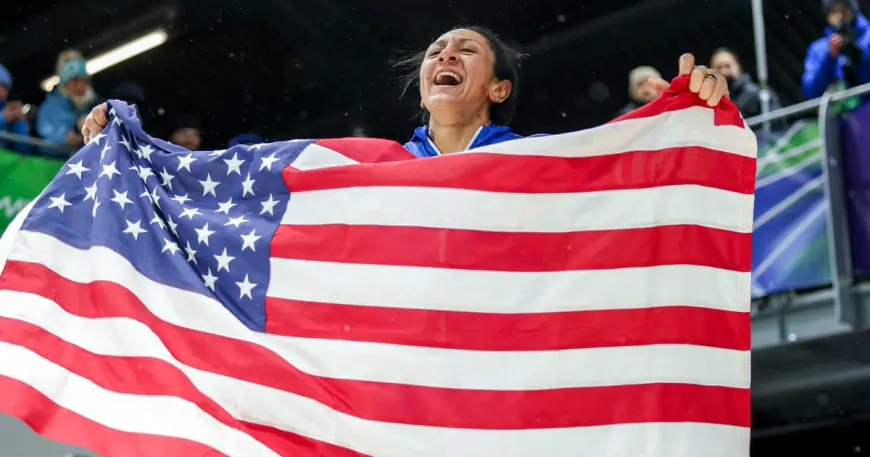
Who feels the impact first from this year’s olympic medal count? Small winter-sport nations and a handful of headline athletes do — their results have altered national narratives, podium math and the way teams measure success. The contrast between outsized individual hauls and differing public tallies has left federations, broadcasters and fans recalibrating what medal dominance looks like as the Games close in Verona Arena.
Immediate impact: national stories rewired by disproportionate results
Norway’s performance is central to the shift: the country’s small population (about 5. 7m) was repeatedly highlighted as it finished ahead of larger rivals. The Netherlands and Italy matched on golds, and traditionally smaller winter programs such as Great Britain and Australia recorded landmark hauls. Those outcomes affect funding conversations, public interest and athlete profiles back home — and they force larger countries to reassess talent pipelines.
What’s easy to miss is how a single athlete’s run can tilt national tallies: Johannes Høsflot Klæbo accounted for six golds, a total larger than the entire haul of many competing countries and greater than all but seven other nations at these Games.
Closing ceremony and hallmark moments that framed the final olympic medal count
The Milano Cortina Winter Olympics concluded in the Verona Arena with an evening of opera, dance and song. Performers and moments mentioned in the closing-night coverage included a Rigoletto-themed segment, a singer identified as Achille performing "Amor, " a stadium light show and appearances that drew reactions from both athletes and the crowd. A well-known DJ was seen filming in the stands, and a pop act energized the arena during the party sequence; a commentator described the track as the kind of music people hear at the gym.
On the sporting side, the men’s hockey final produced an emphatic American gold noted as an "incredible" result for Jack Hughes. The ceremony marked an emotional bookend: a sign-off message thanked readers and viewers and offered a farewell until the next Olympic cycle, with a light suggestion of “see you again in 2030 or maybe tomorrow” for those following headlines.
Olympic Medal Count: competing tallies and headline athlete wins
Two separate tallies in the supplied coverage present different final numbers for several teams. Those differences are unclear in the provided context and are noted here without resolution so readers understand the discrepancy.
- Tally A lists Norway with 18 golds and 41 total medals; the United States with 12 golds and 33 total medals; and states Norway’s 18 golds were the most by a country in Winter Olympics history.
- Tally B lists Norway with 15 golds and 32 total medals; the United States with 7 golds and 24 total medals and places the U. S. third for total medals. Host nation Italy is shown with 25 total medals and nine golds in this count.
Separately, individual athlete milestones recorded in the coverage include: Breezy Johnson winning gold in women’s downhill skiing on Feb. 8 (her first Olympic medal and the first gold for the American team at these Games); a crucial performance by Ilia Malinin in the figure skating team event the same day that helped the American team defeat Japan; Elizabeth Lemley, aged 20, winning gold in women’s moguls on Feb. 11 with teammate Jaelin Kauf taking silver; and Jordan Stolz winning gold in the men’s 1, 000 meters and later taking a second gold, each occasion noted as setting an Olympic record.
Implications for athletes, federations and fans — and a short timeline
Here’s the part that matters: athletes who delivered multiple golds or breakthrough wins will see elevated profiles and likely greater support at home, while federations with unexpected successful programs can use the results to argue for sustained investment. Fans and media will replay the same signature moments that helped shape national tallies.
- Feb. 8 — Breezy Johnson wins women's downhill gold; Ilia Malinin’s team event performance clinches victory over Japan.
- Feb. 11 — Elizabeth Lemley, 20, wins women's moguls gold; Jaelin Kauf wins silver.
- Late Games — Jordan Stolz takes two golds in the 1, 000m and another event, each listed as Olympic records.
- Closing night — Verona Arena ceremony of opera, dance and pop acts closes the Milano Cortina Games.
The real question now is how federations and broadcasters reconcile competing medal figures and present a final, unified olympic medal count for legacy records and funding decisions.
Final note and cautious signals to watch
Expect official national committees and event organizers to publish consolidated tallies; until that reconciliation is visible, some medal totals remain unclear in the provided context. If public federations update their lists and timing of athlete results, that will confirm which set of numbers is definitive.
It’s easy to overlook, but the Games here combined spectacle and sport in ways that will be replayed in national coverage for months — especially the performances that single-handedly shifted the podium math.