






















Tottenham Vs Arsenal: Tudor tells Spurs to 'become serious' after 4-1 derby defeat

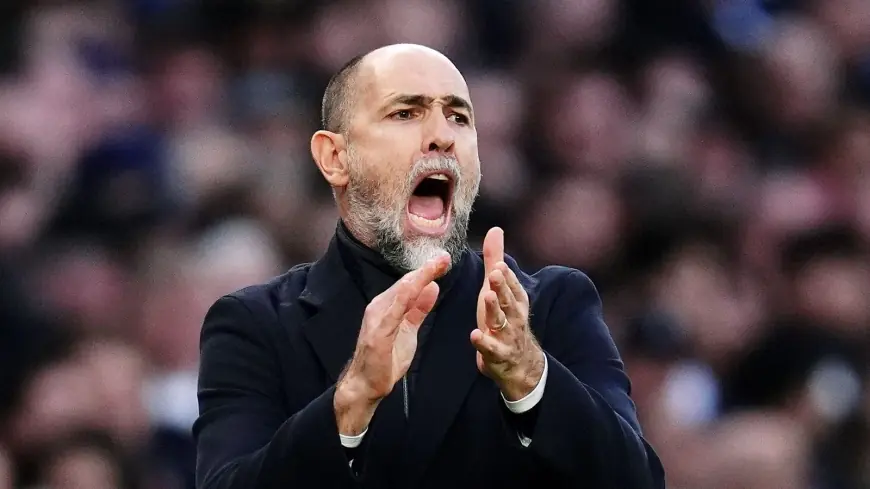
The north London derby finished 4-1 to Arsenal in a match that has left Tottenham facing urgent questions about form and mentality. The defeat—highlighted by two goals each from Viktor Gyokeres and Eberechi Eze—prompted new Spurs boss Igor Tudor to demand his side shed "bad habits" and become "serious" with 11 league games left to avoid relegation danger.
Igor Tudor on Spurs' 'bad habits' and survival
Igor Tudor used his first match in charge to lay down a stark diagnosis of the squad he inherited from Thomas Frank, saying he now sees "the truth" about the team and that too many players have "bad habits. " Tudor insisted he remains confident of survival while outlining the specific changes he wants: a switch in mentality to be sharp from the first minute, greater physicality, more running, better defending and improved work to win duels and second balls. He warned that Tottenham must "become serious" and acknowledged they need time to reach the required physical level, noting there are 11 games remaining to retain Premier League status.
Tottenham Vs Arsenal tactical breakdown: 3-5-2 and the exposed right
Spurs lined up in a 3-5-2 shape under Tudor, but that system left space Arsenal repeatedly exploited down their right. Bukayo Saka and Jurrien Timber combined effectively in that corridor; Timber's ability to mix overlapping and inside runs and his time on the ball enabled key passes, including the one that found Viktor Gyokeres for Arsenal's second goal. Tottenham's reactive defending—where Xavi Simons, playing as a second striker, was often forced to run back toward a left-back position, Pape Matar Sarr drifted wide from midfield, and Micky van de Ven covered from centre-half—created moments when players unfamiliar with those defensive duties were left one-on-one, notably Sarr dealing with Saka and failing to stop the cross that led to Arsenal's opening goal.
Mikel Arteta on response after Wolves and his assessment of Gyokeres and Eze
Mikel Arteta praised his players' reaction after a disappointing draw in midweek, saying he saw immediately how they would respond following the Wolves game. He singled out Declan Rice for turning around an error by showing the attitude and personality to stand up later in the match. Arteta described Viktor Gyokeres' overall play and finishing as possibly his best for the club, and explained his decision to start Eberechi Eze by pointing to recent positive displays against Tottenham. The manager emphasised the long season ahead with cup commitments and the Champions League, calling the current period "a long marathon".
Goals, timing and standings: Gyokeres, Eze and the wider impact
Eberechi Eze put Arsenal ahead from close range after 32 minutes, and both Eze and Viktor Gyokeres finished the game with two goals apiece, taking the final score to 4-1. Randal Kolo Muani scored Tottenham's solitary goal in Tudor's first match in charge. The result restored Arsenal's lead at the top of the Premier League to five points and tightened the title picture, while plunging Spurs further into trouble: they now sit four points above the bottom three and remain the only Premier League side yet to win a game in 2026.
Bukayo Saka, Jurrien Timber and Eze's personal notes
Arsenal's right flank emerged as a decisive attacking outlet. Saka, who had faced recent questions over his form, returned to a confident display alongside Timber, whom observers described as among the most dangerous attacking right-backs because of his intelligence and varied movement. Eberechi Eze, who had been on the verge of joining Tottenham before Arsenal paid a reported £60m to Crystal Palace in August, added to his north London ledger: he had already produced a hat-trick in a 4-1 win in November and was described after this match as tormenting Spurs again. Phil McNulty noted that Eze's presence helped make the result a statement of intent from Arsenal.
What makes this notable is the combination of tactical exposure and psychological pressure: Spurs' system repeatedly handed Arsenal opportunities down a specific flank, and that tactical gap translated into a scoreline that leaves Tudor with both immediate work on the training ground and an urgent need to change ingrained behaviours before the final 11 games of the season.