
























New York Weather: Powerful Nor'easter Triggers Citywide Travel Ban and State of Emergency

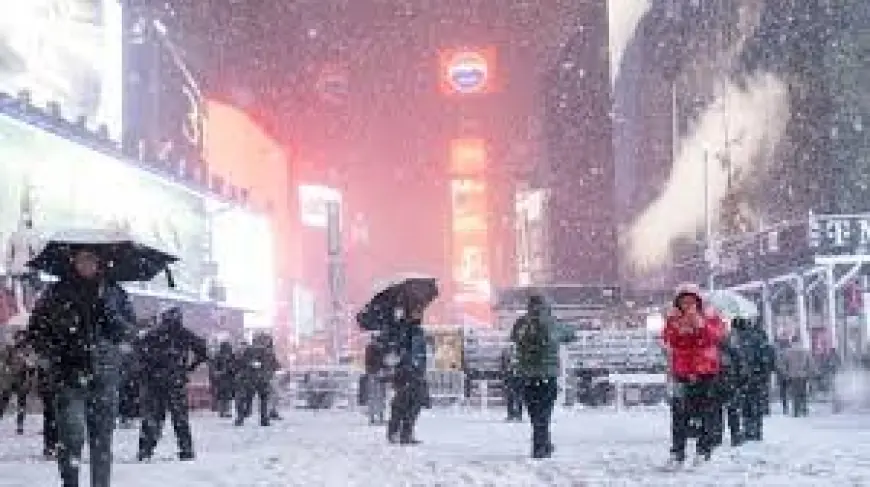
New York Weather has taken a dramatic turn as Mayor Zohran Mamdani declared a state of emergency and imposed a citywide travel ban amid a historic winter storm that is lashing the US north-east. The move follows escalating warnings about heavy snow, ferocious winds, coastal flooding and large-scale travel disruption — developments that directly affect public safety, essential services and mobility for millions.
New York Weather: travel ban, emergency orders and school closures
Mayor Zohran Mamdani ordered a citywide travel ban for all but emergency travel between 9: 00pm on Sunday and 12: 00pm on Monday (21: 00 local time on Sunday to 12: 00 local time on Monday), with the context also noting the same window was given as 02: 00 GMT on Sunday to 17: 00 GMT on Monday. The ban closes streets, highways and bridges to non-essential traffic while exempting essential workers and people with emergencies. Mamdani declared a state of emergency, which releases extra funding for the city's response, and said public schools would observe a full snow day on Monday with no remote learning planned.
Scope of warnings and population affected
The storm has placed very large populations under watch: one assessment put 59 million people under weather warnings across the region, while separate coverage cited more than 35 million people affected by warnings from Maryland to Massachusetts. About 40 million people are under blizzard warnings and another 19 million are under winter storm warnings that extend from the Central Appalachians across coastal New England.
Snow, wind and surge: anticipated impacts
Meteorological guidance included multiple intensity estimates: localized snowfall of 1 to 2 feet (30–60cm) is possible across many areas, with some locations forecast to receive 18–24 inches (50–60cm) and the most extreme pockets up to 28 inches (70cm). Reports also noted 10 inches (25cm) had already fallen in Manorville, New York and Howell, New Jersey. Snowfall rates were expected to reach roughly 2–3 inches (5–7cm) per hour at times, creating nearly impossible travel conditions described as extremely treacherous.
Coastal impacts include wind gusts along the shore of up to 65–70mph (104–112km/h) and a potential storm surge of 2 to 4 feet that could cause moderate coastal flooding and beach erosion from Delaware Bay to Cape Cod during high tides, a stretch of nearly 400 miles to the north.
Transport, flights and outages
Air travel cancellations and ground disruptions have been significant: one count noted about 5, 500 US flights canceled on Sunday with hundreds delayed, while another tally put cancellations at more than 6, 000 through Monday. Major airport hubs named in coverage as among the hardest hit include JFK, LaGuardia, Newark, Philadelphia and Boston Logan. Power disruptions have affected over 150, 000 people across north-eastern states so far, including roughly 60, 000 outages in New Jersey and tens of thousands more without power in Virginia, Delaware and Maryland.
City preparations, outreach and community reaction
The city expanded the response used for a recent major snowstorm: additional snow-clearing equipment was brought in from outside the city and plans were described to broaden the use of geocoding to identify bus stops, crosswalks, pedestrian ramps and unsheltered stops that need clearing. City crews and recruited workers were set to begin shoveling on foot Sunday night to get an early start, and outreach teams were assisting unhoused New Yorkers into shelters and warming centers.
Mayor Mamdani, serving his first term, noted this is the second major snow event of his administration after a three-week cold snap earlier this year that was linked with 19 deaths. Residents voiced frustration about workplace expectations amid the ban: a Brooklyn resident, Brandon Smith, said it would be difficult for many New Yorkers to get around because workplaces were still calling people in even as roads were suspended.
Outlook and cautions
Forecasters warned the storm could intensify rapidly and become more severe than earlier projections. Whiteout conditions and downed trees or power lines from the combined force of wind and snow were highlighted as risks that could make travel life-threatening in places. Recent updates indicate details may evolve as the event progresses.