
























Jalisco Mexico: Who was “El Mencho” and how he stayed a step ahead in jalisco mexico

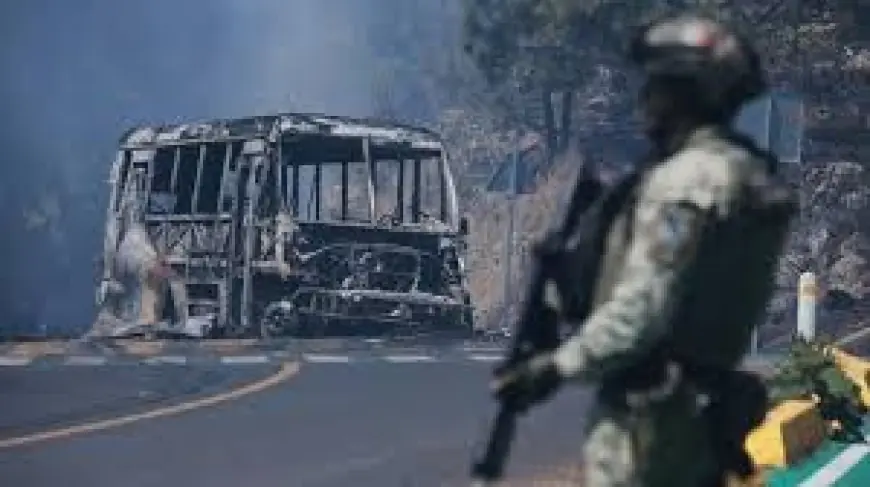
Nemesio Oseguera Cervantes, known as “El Mencho”, built a criminal survival system rooted in constant movement and concealed refuges across jalisco mexico, combining mobility, local networks and layered protection. The Dallas News piece outlines how those practices allowed the leader of the Cártel Jalisco Nueva Generación (CJNG) to evade capture for years.
Mobility and constant relocation
The article describes Oseguera as a “capo a salto de mata”, a figure forced to change locations permanently yet consistently staying a step ahead of operations. His survival model emphasized mobility: small, reduced convoys and frequent route changes in order to avoid encirclement.
Early warnings and infiltration
Internal reports cited in the coverage pointed to a network of early alerts supplied by support cells infiltrated in local corporations and governmental structures. That anticipation was framed as deliberate and organized — summarized by the line "La constante no fue la suerte, sino la anticipación" — rather than mere luck.
Compromised communications and radios
The piece states Oseguera even managed to compromise communications used by military and federal authorities, with the leader’s forces mainly targeting radios and similar channels to blunt coordinated action.
Stronghold locations in Jalisco Mexico
His map of refuges concentrated principally in Jalisco. Villa Purificación stood for years as one of his best-known bastions: a mountainous area with limited access, a historical presence of the CJNG and communities where the group had woven territorial control. The coverage highlights that the combination of terrain and community ties made Villa Purificación a durable refuge.
Corridors, ranches and Los Altos
Another key corridor was Los Altos de Jalisco, where the CJNG consolidated both logistical and social presence. The dispersion of ranches, rural roads and community support networks facilitated the capo’s mobility across that region and elsewhere in the state.
Urban safe houses and Zapopan
Oseguera was also located in Zapopan, particularly in residential zones where the CJNG allegedly operated low‑profile casas de seguridad. The coverage emphasizes that alternating between deep sierra and metropolitan zones — mixing rural ranch refuges with urban safe houses — complicated field intelligence and pursuit operations.
Ajijic, horses and ranch preference
One specific site that drew investigator attention was Ajijic, on the shore of Chapala. Sources noted that in Ajijic the capo kept an affinity for caballerizas and caballos finos, a hobby consistent with his preference for ranch‑type refuges.
The article also included crosshead references to other pieces titled "Muere ‘El Mencho’, líder del CJNG, en operativo militar" and "Narcobloqueos y violencia en Jalisco y otros estados tras la muerte del ‘Mencho'", which appeared alongside the profile material.
Security and military interlocutors in the coverage agreed that federal forces located the CJNG leader on more than 20 occasions, and that in each of those incidents he managed to escape. A failed federal operation in 2015 that ended with the downing of a military helicopter was singled out as an episode that reinforced the perception of Oseguera’s capacity for immediate response to incursions by the State.
The portrait drawn is of a leader who layered terrain, local influence and compromised communications into a resilient system of evasion. Details in the piece underline Villa Purificación, Los Altos de Jalisco, Zapopan and Ajijic as central nodes in that system.
Dallas News provided the account of these tactics and locations in its profile of Nemesio Oseguera Cervantes, “El Mencho”.
Closing: The coverage presents a consistent portrait of El Mencho’s operational method — anticipation, infiltration and a deliberate mix of rural and urban refuges that allowed the CJNG leader to avoid capture through more than 20 documented federal sightings and to respond rapidly to state incursions.