

























Medal Count Olympics 2026: How Team USA’s early gold streak is changing pressure on athletes and the standings

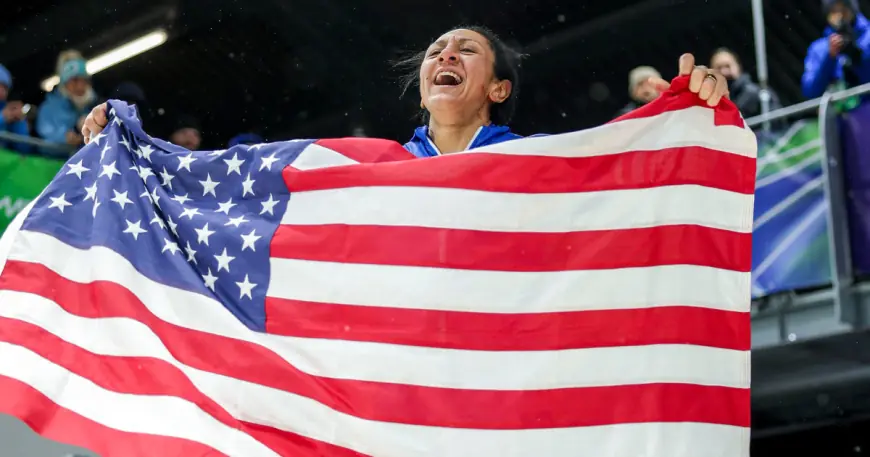
Who feels the impact first are the athletes and teams chasing narrow margins on the podium: the current medal count olympics 2026 snapshot puts Team USA in third for total medals but with seven golds inside a 24-medal haul, shifting expectations for individual events and selection committees back home. This matters now because a small cluster of breakthrough performances has altered who looks like a contender and who will be measured against those golds.
Medal Count Olympics 2026: immediate effects on competitors and strategy
Here’s the part that matters: Team USA’s seven golds inside 24 total medals don’t just fill a leaderboard box — they change which athletes carry momentum into later events and which national programs will be scrutinized for follow-through. Athletes who delivered early golds instantly raise the bar for teammates in the same disciplines; rivals face a recalibration of risk when deciding whether to play for podium consistency or chase higher-value wins.
Key event details that drove the surge
On Feb. 8, Breezy Johnson won gold in women’s downhill skiing, becoming only the second American woman to complete that accomplishment. That victory was the first Olympic medal of her career and it served as Team USA’s first gold at these Winter Games; she was visibly moved on the podium and later said the moment still felt unreal. That same day, Team USA’s second medal arrived through a tight figure skating team event: Ilia Malinin, nicknamed the Quad God, delivered a performance that produced enough points to edge out Japan for the win.
On Feb. 11, 20-year-old Elizabeth Lemley won gold in her Olympic debut in women’s moguls, with teammate Jaelin Kauf taking silver. In speedskating, Jordan Stolz won the men’s 1, 000 meters and set an Olympic record; on Saturday he added a second gold and another Olympic record. The sequence of those wins created the 24-medal, seven-gold total now credited to Team USA.
What's easy to miss is that several of these achievements are career firsts or debut victories, which tend to have outsized influence on team morale and media attention even when total-medal rank remains lower than some rivals.
Podium patterns: records, debuts and the nature of the wins
- Breezy Johnson — gold, women’s downhill skiing (Feb. 8); first Olympic medal and first American woman to do so in that event.
- Figure skating team event (Feb. 8) — decisive performance by Ilia Malinin that swung points enough to beat Japan.
- Elizabeth Lemley, 20 — gold in women’s moguls on Feb. 11 in her Olympic debut; Jaelin Kauf took silver.
- Jordan Stolz — gold in men’s 1, 000 meters with an Olympic record, then a second gold on Saturday with another Olympic record.
Standings snapshot and national comparisons
Norway leads both key tallies: it currently has 15 golds and 32 total medals. The host nation, Italy, has 25 total medals, nine of which are gold. Team USA sits third in total medals with 24 and holds seven golds. If you’re wondering why this keeps coming up, those three nations now form the immediate tier that will shape how remaining events are approached by teams and broadcasters.
Key takeaways:
- Team USA: 24 total medals, seven golds — early successes are concentrated in a few breakthrough athletes.
- Norway: leads with 15 golds and 32 total medals — the current benchmark for gold count and depth.
- Italy: host nation with 25 total medals, nine golds — strong across multiple sports.
- Several American golds came as first-career Olympic medals or debut wins, amplifying their significance beyond the tally.
The real question now is how sustainable those golds are across remaining events and whether the concentration of early wins produces momentum or an increased burden on specific athletes.
Isabel Yip is a news associate.