



















Alan Cumming Asks for ‘Understanding’ After Tourette’s Campaigner John Davidson Shouts During BAFTAs

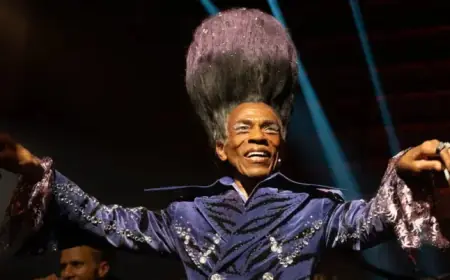
alan cumming paused the BAFTA Film Awards to ask for the audience’s understanding after a series of audible outbursts from Tourette’s campaigner John Davidson disrupted the ceremony at London’s Royal Festival Hall. The interruptions were heard during the live show and on television, prompting onstage explanations and questions about how the event and its delayed broadcast will handle involuntary tics.
Alan Cumming’s Opening Monologue at Royal Festival Hall
Hosts and attendees, including Leonardo DiCaprio, Michael B Jordan and Emma Stone, were present for the ceremony on Sunday night, which took place at the Royal Festival Hall on 22 February. alan cumming, who took over the role after David Tennant’s two-year stint, encountered audible interjections early in his opening monologue but continued with the show. At points during the live event shouts such as “boring” and expletives could be heard and many of those interruptions were also audible on the television broadcast.
John Davidson MBE and I Swear
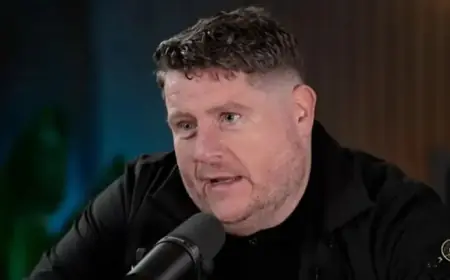
John Davidson MBE, the inspiration for the BAFTA-nominated film I Swear, was introduced to the room before the ceremony by the floor manager, who warned the audience they might hear involuntary noises or movements. Davidson, who was diagnosed with Tourette’s syndrome at age 25 and whose symptoms began when he was 12, has tics and uncontrollable outbursts that often involve cursing. I Swear follows Davidson at age 25 after his appearance in the documentary John’s Not Mad; the film was directed, written and produced by Kirk Jones and is up for five BAFTAs.
Interruptions During Sara Putt’s Speech and Awards Presentations
Specific outbursts occurred at notable moments in the ceremony. During an introductory speech from BAFTA chair Sara Putt someone shouted, “shut the fuck up. ” When the directors of Boong accepted the BAFTA for best children’s and family film a voice shouted “fuck you. ” At another point the audience heard the n-word while Michael B Jordan and Delroy Lindo presented the award for best visual effects to Avatar: Fire and Ash. Those incidents were cited by the host in subsequent remarks to the audience.
BAFTA Statements, Departure of Davidson and Broadcast Questions
alan cumming paused proceedings later to tell the audience that they “may have noticed some strong language” and to thank them for creating a “respectful space for everyone. ” He further explained that Tourette’s Syndrome is a disability and that the tics are involuntary, apologizing if anyone was offended. The outbursts were not heard in the second half of the ceremony after Davidson appeared to have left the room; he left of his own accord and was not asked to leave by BAFTA. Organizers had described Davidson as an invited guest and stated he would not be asked to leave under any circumstances. BAFTA did not provide a response on whether the interruptions would be edited for the delayed broadcast, which airs with a two-hour delay on One in the U. K. and in other territories on the international streaming feed.
Reactions on Stage: Robert Aramayo and Awards for I Swear
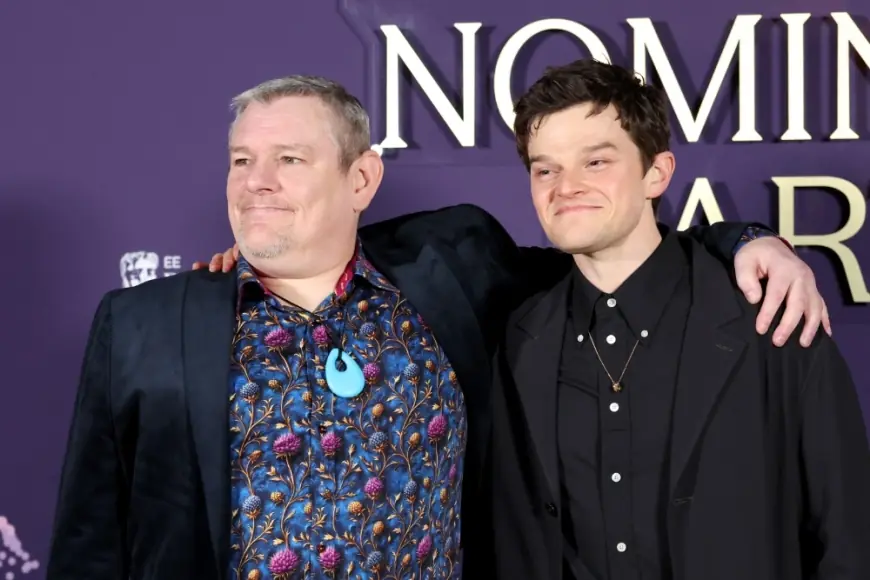
I Swear received multiple recognitions during the ceremony: it won casting and remained in contention for best leading actor for Robert Aramayo, best supporting actor for Peter Mullan, and best original screenplay, and it was also competing for outstanding British film. Aramayo was awarded the EE Rising Star prize; collecting that award, he called John Davidson “the most remarkable man I ever met, ” praising Davidson’s openness in educating others. Later, Aramayo would go on to win the Best Actor prize for his role in the film.
What makes this notable is that the ceremony was simultaneously honoring a film about Tourette’s and managing the real-time presence of the person portrayed, forcing organizers to balance inclusion with the expectations of a televised awards show. The immediate effect was a visible effort from the host to contextualize the interruptions and to seek a measured response from the room, while the broader implication is that ceremonies will have to decide how live inclusions intersect with edited broadcasts and audience experience.