























Phil Jackson headlines linger as Ron Harper recalls trading scoring for five championships

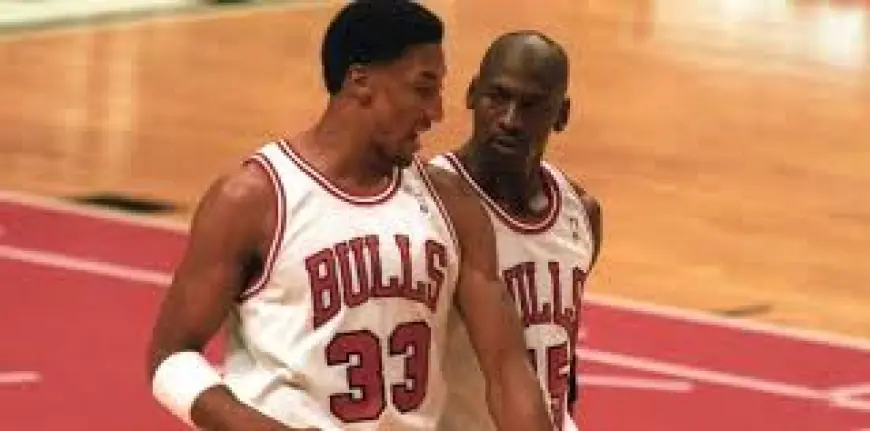
phil jackson appears in broader conversations about championship culture, but Ron Harper’s comments focus narrowly on his own transformation from high-flying scorer to role player with the Chicago Bulls — a switch that helped him win five championships.
From 19. 3 points to a team-first role
Harper said he entered the Bulls already established as a scorer, averaging 19. 3 points on 45. 2 percent shooting with 5. 2 rebounds and 4. 9 assists per game before joining Chicago. He spent the first eight seasons of his career putting up those points and thrilling fans with athletic play, yet postseason success eluded him: he was ousted in the first round four times. "I never get out the first round of the playoffs, " Harper recalled, and that record helped push him toward a new approach.
Phil Jackson and the coaching conversation
Once with Chicago, Harper accepted a greatly reduced scoring role — "So I was averaging like six points, eight points a ball game, " he said — and focused on stifling opposing guards and becoming fluent in the triangle offense. He described learning where to be on the floor so he could "feed his teammates, " a shift that coincided with Michael Jordan returning late in the 1994-95 season and Scottie Pippen emerging as a full-blown superstar. Harper listed teammates by name — MJ, Pippen, Rodman, Kukoc — when describing the new opportunities that came from playing a complimentary role.
Why the trade-off paid off
Harper framed the decision in blunt terms: "Everybody want to score points. Like, I scored 10, 000 my first eight years in the NBA. Yeah. I don't need to score no more. I'm trying to win. " He noted that he did not average double-figures in all but one of his last seven seasons, but added that the payoff was clear — five championships. He also remembered telling friends who questioned his lower scoring, "Yeah, but I'm 42 and five. I'mma be playing until June. I'm good. " The immediate consequence was longer postseason runs that culminated in multiple titles rather than early exits.
Family future and playoff aspirations
Harper emphasized the value of playoff experience for the next generation: both Ron Harper Jr. and Dylan Harper are now playing in the big league, and Harper said he was glad they were with organizations that have a rich history of success because "they going to have a chance" to play meaningful postseason basketball. That forward-looking note was the last point Harper made about his decision to sacrifice personal stats for championships.
Harper’s remarks land as a reminder of one concrete trade-off: stepping away from the ball and direct scoring (his pre-Chicago averages and his single-season scoring totals) in exchange for sustained postseason runs and five titles. He singled out defense, court awareness in the triangle offense, and readiness to play smaller-scoring roles as the mechanics of that trade. Harper’s sons’ careers are now the confirmed next chapter he highlighted, with the promise of playoff opportunities shaping what he said he values most.