





















Olympic Hockey Overtime Rules Draw Fire After Four Tied Games in 34-Hour Stretch

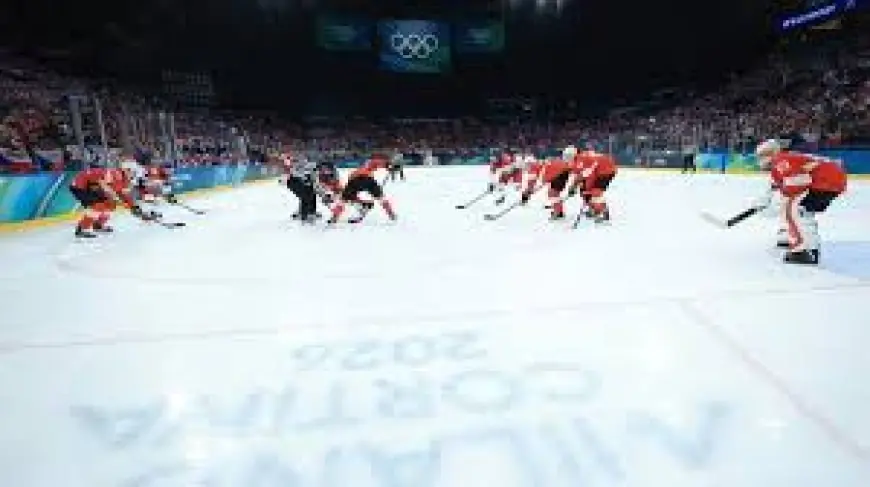
Debate over olympic hockey overtime rules intensified after a stretch lasting about 34 hours, from early Wednesday morning to Thursday afternoon, produced four games that were tied at the end of regulation and required overtime or shootouts to settle them.
High drama: tied games and late goals
Over about 34 hours, three of the four men’s quarterfinal games on Wednesday and the women’s gold medal game on Thursday were each tied at the end of regulation, and the game-tying goal in each of those four games came with less than 3: 30 left in the third period.
How the current overtime formats are set up
The existing tournament setup keeps three-on-three in many rounds: group stage and the preliminary medal round use 5 minutes of 3-on-3 followed by a shootout; quarterfinals and semifinals use 10 minutes of 3-on-3 followed by a shootout; and the finals are scheduled as recurring 20-minute periods of 3-on-3 until there is a winner.
Alternatives on the table and a suggested hybrid
One proposed tweak in the coverage shifts some medal-round overtime back toward five-on-five: keep the group stage at 5 minutes of three-on-three followed by a shootout, but use 10 minutes of five-on-five in preliminaries, quarterfinals and semifinals followed by a shootout, and give the men’s final one 20-minute period of five-on-five before deciding to proceed to three-on-three or a shootout.
Olympic Hockey Overtime Rules
Critics note that three-on-three hockey marginalizes physical, tough players who are anchors in the first three periods, a change in on-ice role that shows up most starkly in the medal round; those criticisms fueled calls for altering the olympic hockey overtime rules after the recent slide of tied games.
Why the NHL and international bodies differ on review and risk
When the NHL eliminated ties after the lockout in 2004 it ultimately landed on three-on-three for five minutes followed by a shootout in the regular season, but three-on-three disappears in the NHL playoffs. The NHL is said to be unwilling to allow Stanley Cup playoff–style overtime (five-on-five until decided) at the Olympics because players have to come back for a stretch run and many Olympians are fighting for playoff spots or seeds; the league will expose players to injury to grow the game, but not to the point of accepting multiple long overtimes.
Coaches’ challenges, situation rooms and referee limits
Pierre LeBrun last week noted the "blended" approach to officiating leaves differences between IIHF and NHL rules, including reviews: in the NHL, the Situation Room in Toronto can initiate a review in the last minute of play in the third period or at any time in overtime, while the IIHF requires teams to initiate a coach’s challenge at all times in the game.
Three jurors push back on coach-initiated reviews
The panel of jurors — Sean Gentille, Shayna Goldman and Sean McIndoe — reacted strongly. Sean McIndoe said letting coaches ask for reviews in overtime would invite them to challenge every goal, concluding "NO. " Shayna Goldman said she would rather have league-initiated review for efficiency in a once-every-four-years event and ended with "NO. " Sean Gentille gave an "absolute zero-doubt NO, " noting he’d prefer removing some responsibility from coaches to avoid prolonged stoppages and more time watching officials at iPads.
Referees’ video review setup is limited
Coverage notes that refs in the Olympic tournament won’t have people in a Situation Room influencing decisions on video review; while they will be talking in a headset to someone helping them navigate what they’re looking at, only the refs will be involved in the final calls, and that setup constrains how reviews are run.
Site message and viewer tech
A site message tied to the coverage said the publisher built its site to take advantage of the latest technology to make it faster and easier to use, and that "your browser is not supported" for the best experience, instructing readers to download one of the recommended browsers for optimal viewing.
What comes next is unclear in the provided context: the coverage lays out current overtime formats, a proposed hybrid for medal rounds, and differences in review procedures, but does not list the next scheduled game or an official change to the rules.