




















Al Horford’s Departure Rewound: How his move and a new Warriors starting role force a rethink of the Celtics’ frontcourt

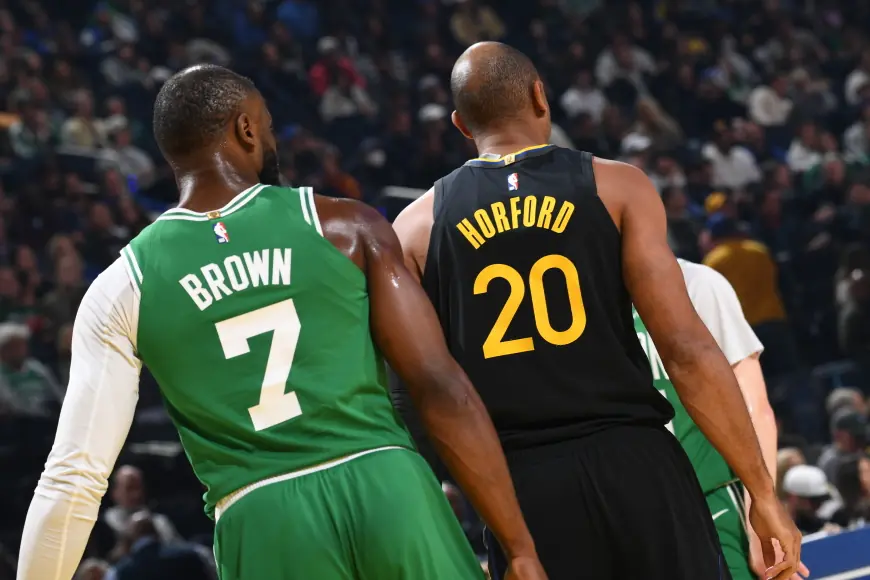
The timing of al horford’s switch from Boston to Golden State matters because it came amid a wider frontcourt overhaul that has reshaped how the Celtics play. He arrives in a Warriors uniform ready to start on Sunday, and his exit — framed as a choice that was "deeper than basketball" — is now part of a chain of moves that pushed the Celtics to adopt a different on-court identity.
Al Horford and the chain of decisions that led here
Before the matchup with his former team, Horford moved through a compact sequence: he left the franchise where he spent his longest stretch and won his first title, signed a two-year, $11. 7 million deal with the Warriors, and has since taken a visible role on his new club. He has said the choice was about more than basketball and indicated he would share the full reasoning later; family reaction suggested the move surprised those close to him and that some aspects were outside his control. At the time of his departure, Boston was reportedly unable to offer more than minimum-level compensation for the veteran.
Here’s the part that matters for both teams: Boston didn’t simply lose players; it pivoted. The Celtics moved away from the double-big looks that included Horford, Kristaps Porziņģis and Luke Kornet, then leaned into a different roster template that boosted youngsters and role players. That pivot has produced measurable results — a strong start and a team that ranks high in efficiency — even while missing key contributors at times.
Game-night snapshot and on-court implications
On the night the teams met, veteran frontcourt pieces who had helped deliver a championship were on the same side for the Warriors. Horford entered the Warriors rotation after Golden State acquired Porziņģis earlier in the month and after Horford had publicly stated a desire to keep competing. With his new club, Horford’s numbers reflect a reduced but steady role: averaging 7. 6 points, 4. 9 rebounds and 2. 3 assists on 42. 9% shooting and 33. 8% from three.
The Celtics, by contrast, have emphasized different strengths. They turned offensive rebounding into a team advantage and have found ways to protect the rim collectively, ranking near the top in opposing points in the paint allowed per 100 possessions. Players who were previously secondary have stepped into larger roles, and the group’s 36-19 start underscores that the roster makeover has produced workable solutions so far.
- Contract context: Horford’s two-year, $11. 7 million deal with the Warriors followed a period in which Boston’s payroll flexibility was cited as constrained.
- Playing role: Golden State has given Horford a defined spot; his season averages suggest a veteran presence rather than a primary option.
- Celtics shift: the team reduced reliance on double-big lineups and boosted offensive rebounding and collective rim protection.
The real question now is how sustainable those adjustments are for both sides. Horford starting for the Warriors on Sunday changes matchups and rotation math; for Boston, it highlights how the team is meeting new personnel challenges with different lineups and responsibilities.
Quick Q& A
Q: Why did Horford leave? He described the decision as something deeper than basketball and indicated he would explain more later; family reaction suggested surprise and that some factors were beyond his control. At the time, Boston was limited in what it could offer financially.
Q: What does he bring to the Warriors? A veteran, floor-spacing big who has been used in a steady role — his season averages show modest scoring, rebounding and playmaking while shooting from distance at a useful clip.
Q: How did Boston respond? The Celtics moved away from the previous frontcourt construction, leaned on other bigs and wings, and turned offensive rebounding and team rim protection into strengths during a strong start to the season.
It’s easy to overlook, but Horford’s departure served as both a symptom and a catalyst: it reflected payroll and roster pressures while accelerating Boston’s reinvention and giving Golden State a veteran who can slot into a starting role. Expect coaches on both sides to continue adjusting rotations; confirmation of the next turn will come from how those rotations fare over several games, not a single matchup.
If you’re wondering why this keeps coming up, the answer is that personnel shifts like this change matchups, development opportunities for younger players, and strategic priorities across a season.