




















Duke Vs Michigan: Boozer’s Night and a Neutral-Site Result That Changes Momentum

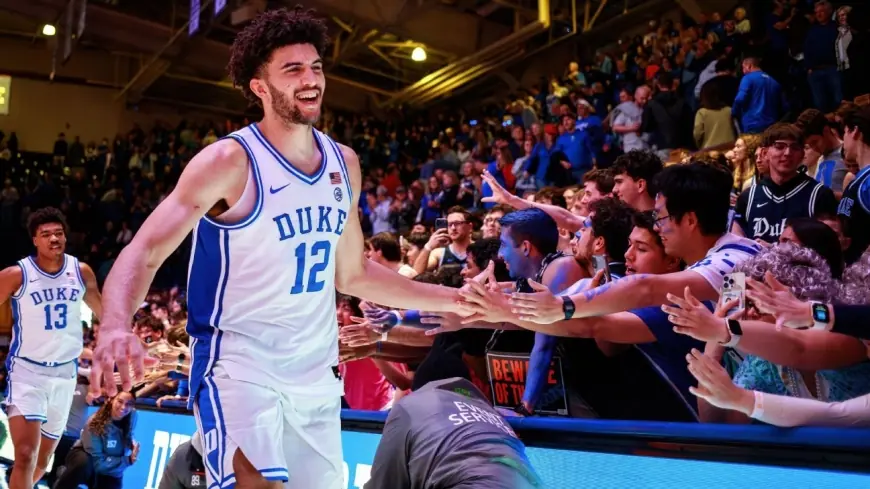
Here’s why the duke vs michigan outcome matters: a neutral-site victory over a top-ranked opponent reshuffles confidence, seeding signals and scouting notes for both programs while creating immediate questions about the final score listed in the available coverage. Cameron Boozer’s 18 points and a decisive rebounding edge were the on-court ingredients; the ripple effects land hardest on Michigan’s lineup and Duke’s tournament outlook.
Immediate impact: roster confidence, scouting files and a city buzzing
Cameron Boozer’s performance and Duke’s control of the glass will alter how opponents prepare for both teams. Fans treated the game as a marquee preview, with a national pregame broadcast present during the morning shootaround and upper-level tickets trading in the roughly $600 range and courtside seats upwards of $6, 000 in the hours before tip. With Duke listed as No. 3 and Michigan as the top-ranked team in the poll before the game, the result forces both staffs to re-evaluate matchups and rotation choices ahead of the postseason. What’s easy to miss is how a single neutral-site result can quickly change perceived matchup advantages in bracket conversations.
Duke Vs Michigan: key numbers, contested final score, and player lines
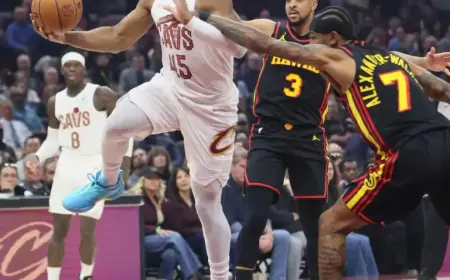
The available coverage lists both a 70-63 final and a 68-63 final for the same game; the final score is unclear in the provided context. What is consistent: Cameron Boozer scored 18 points, and Isaiah Evans added 14 for Duke. Yaxel Lendeborg scored 21 for Michigan. Caleb Foster had 12 points and Patrick Ngongba II contributed 11 for Duke. A late Boozer 3-pointer with 1: 55 left pushed Duke ahead 64-58 in the closing stretch of the game.
How the contest unfolded (embedded details, not a play-by-play)
Defense dominated the physical first half, with neither team leading by more than five points at any time. Ngongba was fouled fighting for a rebound with 0. 8 seconds left in the half and made both free throws to send Duke into the break up 35-33. Down the stretch, Duke found soft spots against Michigan’s top-rated defense and won the rebounding battle 41-28, while Michigan shot 6-of-25 from 3-point range and settled for too many quick perimeter attempts. The game was framed as a possible Final Four preview in Washington, and the environment resembled a tournament setting that both coaches referenced after the game.
Coaches, series history and program notes
Jon Scheyer said the game felt like a March or April matchup and emphasized his team’s preparedness for that environment. Michigan’s second-year coach Dusty May reflected that the team learned more about itself, noting rebounds and timely errors as keys that swung the game to Duke’s favor. This meeting was the programs’ first in 12 years; Duke improved to 23-8 against Michigan and 7-0 on neutral courts in the series, which includes the 1992 national title game. Michigan has not beaten Duke since Dec. 6, 2009, in Ann Arbor. Both teams were listed at 25-2 in the coverage surrounding the matchup.
Short Q&A on implications
Q: Who gains the bigger immediate edge?
A: Duke gained momentum in confidence and matchup evidence — especially after controlling the boards and hitting timely shots in the final minutes.
Q: What does this mean for Michigan’s national standing?
A: The Wolverines lost a top-ranked matchup after an 11-game winning streak; the coverage notes they had replaced Arizona atop the Top 25 poll earlier in the week, and that same day the now-fourth-ranked Wildcats won at the No. 2 team, producing the rare occurrence of the Nos. 1 and 2 teams both losing on the same day for the first time since Feb. 8, 2025.
Q: Any timeline context?
A: This was the teams’ first meeting in 12 years and references a 1992 title-game connection; Michigan’s last win over Duke is listed as Dec. 6, 2009.
If you’re wondering why this keeps coming up, the answer is the combination of neutral-site performance and timing: late-season marquee matchups carry outsized weight for scouting and bracket chatter. Additional reporting also noted the presence of Carlos Boozer in attendance and that the event simulated tournament conditions for both teams.
Two separate site messages in the provided material said a browser was not supported and suggested downloading a modern browser for the best experience; unclear in the provided context whether that affected access to extended game content. Additional reporting contributed to the assembled account.
The real test will be how each staff uses this game as a blueprint: adjustments to rebounding, late-game shot selection and defensive coverage are the most likely changes to appear first in upcoming practices and scouting notes.