
























Switzerland Urged to Seal US Trade Deal as Economist Warns Tariff Risk Persists

switzerland is facing renewed pressure to finalize a binding trade agreement with the United States even as an economist cautions that Trump-era tariff tools continue to pose a serious risk despite a recent Supreme Court ruling. Industry leaders and trade experts are urging a pragmatic response focused on legal certainty and targeted protections for key exports.
Switzerland urged to make preliminary accord legally binding
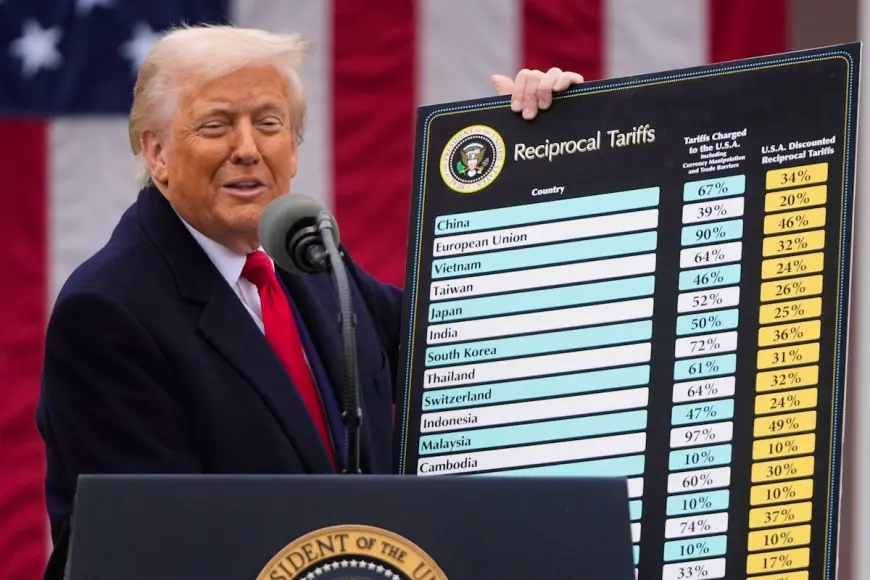
An industry association has pressed Switzerland to convert a preliminary US trade accord into a formal, legally binding deal to create certainty for exporters. The association highlighted that an initial agreement reduced previously high duties from 39% to 15% and said sealing the deal would help address the vulnerability of US-bound exports.
The push to finalize the accord comes in the wake of the Supreme Court decision that affected the administration's tariff measures. Industry representatives argue that formalizing exemptions and commitments would give businesses clearer rules and reduce the risk that exporters will face abrupt changes in duties.
Economist Stefan Legge warns tariffs remain a clear threat to switzerland
An economist at the University of St. Gallen continues to warn that the end of one legal pathway does not eliminate the broader policy risk posed by tariffs. He advised the Federal Council to retain a prudent, strategic posture toward the United States and to work to identify and support common interests with American counterparts.
The economist noted that the recent court outcome does not mean stability has returned; instead, uncertainty around trade policy has intensified because new tariff measures are still possible under other legal instruments. He argued that Switzerland has positioned itself well by securing exemptions for sensitive sectors and that ongoing discussions about those exemptions remain important.
Where things stand: tariffs, exemptions and next steps
- Initial US tariffs had reached a 39% import duty level on Swiss exports.
- A preliminary accord reduced that duty level to 15% and included exemptions for critical sectors, including pharmaceuticals.
- Industry leaders are urging the government to turn the initial accord into a binding agreement to provide legal certainty for exporters.
- Experts caution that, despite the Supreme Court ruling, alternative legal avenues for imposing tariffs mean uncertainty and the risk of new measures remain.
The combined posture from industry and economic experts frames a narrow set of policy priorities for Swiss decision-makers: finalize the legal framework of the trade deal to protect exporters, secure and clarify exemptions for highly relevant products, and sustain diplomatic engagement to manage bilateral tensions.
Looking ahead, negotiators and the Federal Council face a choice between relying on the preliminary concessions already achieved and pursuing a formal treaty that would limit the scope for sudden tariff changes. If a binding agreement is reached, it would aim to lock in the 15% duty level and the sectoral exemptions that negotiators identified as central to protecting Swiss exports.
Recent statements from industry and academic voices make clear that the issue remains in flux. Details may evolve as talks progress, and the government will need to balance the immediate imperative of legal certainty for exporters against the longer-term task of preserving constructive relations with trading partners while guarding against continued tariff risk.