


















Jack Hughes’ Injury Leads to Sam Bennett’s Double-Minor Penalty Adjustment

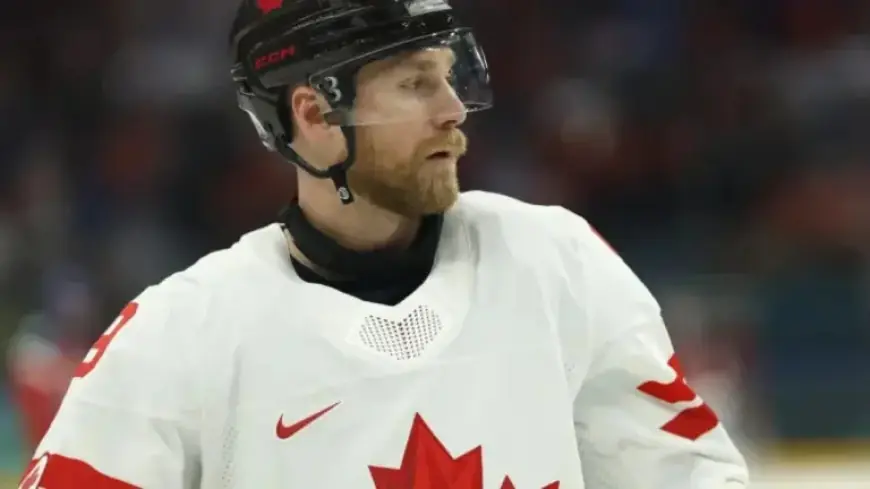
During a crucial moment in the USA-Canada gold medal game, a significant incident involving Jack Hughes and Sam Bennett unfolded. Hughes experienced a high stick to the face, which considerably impacted the game’s trajectory. This moment was pivotal, as it highlighted the intricacies of officiating and penalty enforcement in high-stakes hockey.
Jack Hughes’ Injury: A Key Turning Point
As Hughes fell to the ice, he bled from the injury. This situation was crucial in the context of hockey rules, leading to the escalation of the penalty from a standard two-minute minor to a four-minute double minor. This decision provided Team USA with a substantial advantage by granting them a power play opportunity, vital for their strategy in a tied game with less than seven minutes remaining.
Strategic Implications of the Double-Minor Penalty
The referees’ decision to impose a double minor penalty reflects deeper tactical considerations within hockey. A regular minor penalty typically offers a brief respite for the opposing team. However, bleeding indicates a more severe injury, necessitating a stricter punishment. This move not only serves as a deterrent against violent behavior but also significantly alters the game’s dynamics.
| Stakeholder | Before Incident | After Incident |
|---|---|---|
| Team USA | Standard Power Play Opportunity | Extended Four-Minute Power Play |
| Jack Hughes | Healthy Player on the Ice | Injured, Bloodied Player |
| Canada | Two-Minute Penalty Situation | 50 Seconds of Four-on-Four, Then Power Play |
The Broader Impact on Hockey
This incident underscores broader trends in professional sports, particularly surrounding player safety and injury management. The scrutiny of penalty rules is intensifying, emphasizing the growing focus on protecting athletes. Stakeholders in the US, UK, Canada, and Australia are likely to engage in discussions about the implications for player wellbeing and the integrity of competition.
What Lies Ahead for Hockey
In the aftermath of this incident, several developments are anticipated:
- Stricter Penalty Enforcement: Discussions among leagues regarding high stick penalties are expected to increase.
- Enhanced Focus on Player Health: Teams may reassess training and injury prevention strategies to prioritize player health.
- Shifts in Game Strategy: Teams might adopt a more finesse-oriented playstyle, reducing aggressive physical engagements.
As the hockey community reflects on these events, the implications are significant, impacting not just the game but also the ongoing discussions on sportsmanship and safety.