



















France Vs Italy: Lille Rollercoaster as Grand-Slam Chasers Meet Resurgent Azzurri

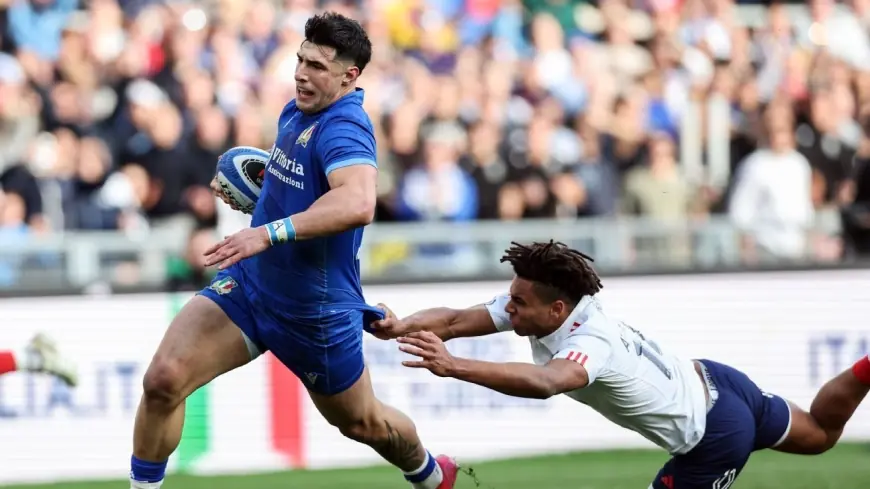
France vs italy returned to the centre of the Six Nations conversation in Lille as a match that pits Grand-Slam-chasing France against an Italy side insisting it is focused on performance rather than title talk. The fixture combined tactical shifts, energetic bursts from both sides and a series of tense moments that will shape the closing rounds.
France Vs Italy: teams, kick-off time and match officials
The game was played in Lille on Sunday, Feb. 22 with a 3. 10 p. m. GMT (15: 10 GMT) kick-off and a listed local time of 4. 10 p. m. The assistant referees were Luke Pearce (RFU) and Eoghan Cross (IRFU), with Olly Hodges (IRFU) appointed as the television match official. The match was shown on television in the UK, with radio commentary also available.
Starting line-ups and replacements
France named Ramos; Attissogbe, Gailleton, Brau-Boirie, Beille-Biarrey, Jalibert; Dupont (capt), Jelonch, Jegou, Cros, Meafou, Flament, Aldegheri, Marchand, Gros. Replacements listed: Barassi, Serin, Nouchi, Guillard, Ollivon, Colombe, Neti, Mauvaka.
Italy started Capuozzo, Lynagh, Menoncello, Marin; Ioane, Garbisi, Fusco, Fischetti, Nicotera, Ferrari, N. Cannone, Zambonin, Lamaro (capt), Zuliani, L. Cannone. Replacements listed: Dimcheff, Spagnolo, Zilocchi, Ruzza, Favretto, Odiase, Garbisi, Odogwu.
Context and trajectory: where each side stands
France entered the match as the only side still capable of winning the tournament, having recorded wins over Ireland and Wales earlier in the competition and remaining on track for a Grand Slam. The team had also registered a 54-12 win over Wales prior to the Lille fixture.
Italy arrived with a mixed recent record but signs of momentum: they beat Scotland in the opening weekend—their first opening-weekend win since 2013—and suffered an agonising 20-13 defeat by Ireland. Italy’s best Six Nations finishes remain fourth place in 2007 and 2013, and historically they have never won more than two matches in a single edition. Since joining the tournament in 2000 they have finished last in 18 editions and failed to secure a win in 12 of those campaigns.
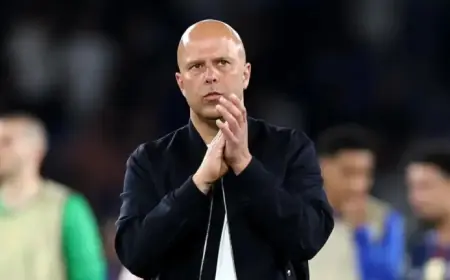
That long-term record coexists with recent improvement: Italy have won four and drawn one of their last 12 Six Nations matches and they beat Australia in November. National head coach Gonzalo Quesada said the team remain focused on internal performance and improvement, emphasising the words "compete" and "consistency, " and that the championship conversation was being left to other contenders: France, England, Ireland and Scotland. Quesada described compliments from leading coaches as welcome; in November Rassie Erasmus, head coach of world champions South Africa, suggested Italy might finish second or third in the tournament. France head coach Fabien Galthie has insisted the Azzurri are capable of winning the tournament.
Key personnel and selection notes
France made a single adjustment to the pack from the Wales win, changing the second-row partnership: Toulouse locks Thibaud Flament and Emmanuel Meafou replaced Charles Ollivon and Mickael Guillard in the starting XV, with Ollivon and Guillard named among the replacements. Flament and Meafou had featured off the bench at the Principality Stadium. Flament had missed France’s opening victory against Ireland because it clashed with his wife's fertility treatment. Fabien Brau-Boirie, 20, who made his France debut the previous week, retained his place in the centres.
Italy welcomed back France-born Ange Capuozzo at full-back after he missed the first two matches of the tournament with a fractured finger.
Match moments, momentum swings and finishing positions
The Lille contest featured rapid momentum swings. Early on, Italy launched a counter attack down the right when Menoncello kicked upfield; the ball stopped just short of the French line and a subsequent handling error by a French player allowed an Italian fullback to score. The conversion was missed. France responded with a quick, decisive break from a mis-executed Italian line-out: the ball fell for Gailleton, who burst away and linked with Ramos to finish; Ramos converted from the left.
Between the 28th and 17th minutes the game saw several tense set-piece and breakdown battles: Italy won a line-out just beyond France’s 22 and formed a maul that stalled before Menoncello made a line and was robbed by Dupont; Italy mounted multiple sustained phases on France's 22, executing repeated line-out drives and blind-side plays that came close to scoring but were thwarted by spilled ball or defensive plays. At one point Italy chose to punt for territory rather than take three points from a penalty. France conceded an accidental offside from a line-out and had a scrum infringement punished, while a 50-22 attempt by Attissogbe came within a metre of success.
The match combined clinical finishing from France with industrious Italian pressure; a handful of pivotal turnovers and a missed conversion from a right-side kick proved decisive in the scoreline swings observed through the first half.
What comes next
For France the Lille result preserves their Grand Slam bid and highlights the depth options in the pack. For Italy, the performance continues a recent pattern of improvement but underlines coach Gonzalo Quesada’s position that the team are still focusing on incremental gains rather than championship contention. Recent comments from high-profile coaches and Italy’s November win over Australia add context to that trajectory, but the coach reiterated the squad’s priorities of competing and building consistency.
Details such as replacement usage, disciplinary rulings and any injury or selection consequences from the match are unclear in the provided context and will evolve as teams recover and prepare for the next round.