




















4 Man Bobsled Results: Elana Meyers Taylor’s Gold and the Nanny Hug That Shifted the Conversation on Caregiving

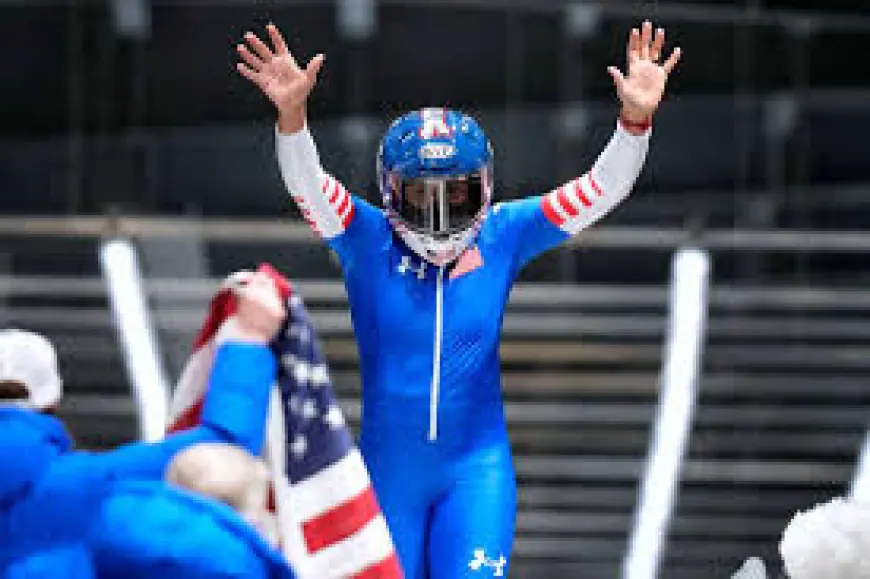
4 Man Bobsled Results — At the Olympic Games in Milan on Feb. 16, Team USA bobsledder Elana Meyers Taylor claimed gold, becoming the most decorated Black athlete in Winter Games history. Immediately after the victory she ran to hug her nanny, Macy, a brief moment that quickly broadened the public conversation about the practical support systems behind elite achievement and parenting.
4 Man Bobsled Results and the Moment That Followed
The image of Meyers Taylor embracing her nanny resonated widely because it made visible a part of success that is usually unseen: the everyday care and logistical labor that enable high performance. Meyers Taylor acknowledged multiple contributors in the aftermath, naming her husband, her children, her nanny Macy, other nannies and her parents, saying, "It took so many people to be here. It took so much work for everybody. " That acknowledgment drew attention to how caregiving functions as a team effort for many parents balancing elite careers and family life.
Why the Hug Resonated: Care Teams, Recognition and Conversation
The moment prompted reactions from a range of voices who noted how rare it is for elite performers to publicly highlight caregivers. A founder of a women-focused group praised the recognition of the caregiving team and asked the broader question of how much support women need to pursue goals while managing family responsibilities. An advocacy group emphasized that behind every elite performance there is often a family that shows up in crucial ways. A parenting outlet reflected on how the person who helps a family function is often as indispensable as the achievements they enable.
A columnist wrote that caregivers who nurture children’s early years are not merely facilitating a parent’s career; they are shaping important parts of life itself. That column argued that caregiving work frequently happens out of the spotlight and that making it visible changes how society frames success and support. Public figures who have previously acknowledged their caregiving teams also weighed in, noting the gratitude many parents express for those who make their day-to-day parenting possible.
Voices drawn to the moment pointed to several implications: greater public acknowledgment of caregiving labor, an expanded definition of the team behind athletic success, and a chance to reframe discussions about what it takes to balance parenthood with elite performance. For many observers, the hug was a shorthand reminder that achievements labeled as "individual" are often enabled by a network of caregivers.
What Comes Next for the Caregiving Conversation
The episode has opened space for renewed discussion about caregiving roles in families and workplaces. Commentators emphasized that gratitude toward caregivers — named and unnamed — can shift cultural attention toward the structures that allow people to pursue demanding careers while caring for children with special needs and other needs. As coverage and commentary continue, advocates and commentators may push for more visible recognition of caregiving contributions and for practical supports that reduce the hidden labor borne by families.
For now, the cinematic image of Meyers Taylor racing from the finish line into the arms of her nanny remains a potent, human counterpoint to medal counts and standings. It reframed one athlete’s gold-medal moment as also a moment of public thanks to the often-invisible people who help make elite success — and daily family life — possible.