













Iran News: Protests Rage, Execution Fears Mount, and Nuclear Standoff Deepens

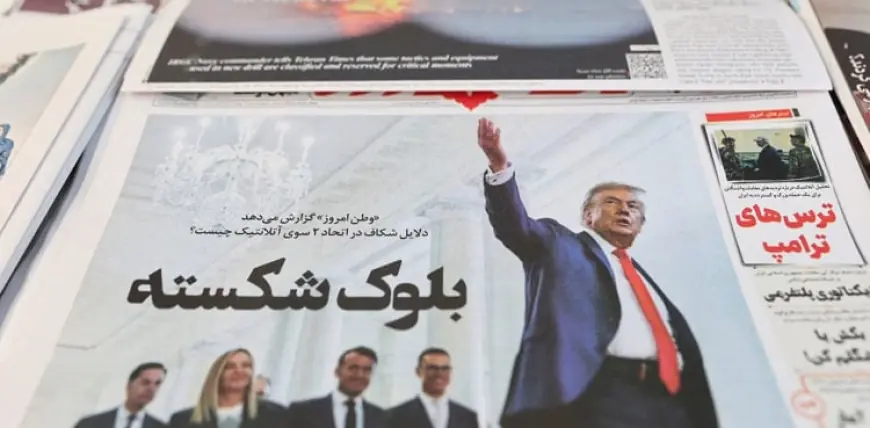
Iran is at a critical crossroads. Weeks after a brutal government crackdown on the January 2026 nationwide uprising left dozens dead in the streets, Iran news this weekend is dominated by three explosive storylines: university students defying the regime on campuses, international alarm over minors facing execution, and a nuclear standoff with Washington that shows no signs of softening. The events of the past 48 hours suggest that Iran's internal and external crises are escalating simultaneously.
Iran News: Students Storm Campuses in Defiance of Regime Forces
On Saturday, February 21, exactly forty days after security forces killed protesters during the January 2026 uprising, students at two of the country's most prestigious technical universities — Sharif University of Technology and Amir Kabir University of Technology — turned their campuses into protest flashpoints. Students chanted slogans calling for the fall of Supreme Leader Ali Khamenei's government and vowed continued resistance. Basij paramilitary forces responded by storming the gatherings at Sharif University, chanting counter-slogans and physically confronting students. The students held their ground, clashing directly with Basij units in scenes that spread rapidly through underground social media channels inside Iran.
The forty-day mark carries deep cultural and religious significance in Iranian mourning traditions, and opposition organizers had been mobilizing for weeks to transform memorial gatherings into acts of political defiance. That strategy succeeded across multiple cities over the weekend, with women playing a highly visible front-line role in leading chants and organizing crowd movements.
Execution Crisis: 30 People at Risk, Including Minors
The Iran news cycle this week has been shaken by urgent warnings from two major international bodies. Amnesty International USA has confirmed that at least 30 people face execution in connection with the January 2026 uprising. Critically, several of those sentenced were under 18 years old at the time of the alleged offenses. The trials linked to these sentences have been widely characterized as expedited and lacking basic due process protections.
UNICEF issued a separate statement calling for the immediate release of all children detained during the unrest and demanding independent access to assess the conditions and well-being of minors currently held. UNICEF's statement noted that deprivation of liberty carries lifelong developmental consequences for children and that Iran's obligations under international law must be upheld without exception.
Meanwhile, a senior Iranian official publicly admitted for the first time that security forces used "coup de grâce" killings — a final fatal shot delivered to already-wounded protesters — during the crackdown. The admission came on February 19 from the head of Tehran's main cemetery authority and represents the most significant official acknowledgment of lethal excess since the uprising began.
Nuclear Standoff: Khamenei Draws Hard Lines
On the diplomatic front, Iran news took a sharp turn on February 17 when Supreme Leader Ali Khamenei delivered a speech flatly rejecting the core demands Washington has placed on the table. Khamenei stated that Iran will continue uranium enrichment, will not negotiate over its ballistic missile program, and will not accept what he described as external pressure campaigns disguised as diplomacy. The speech came just days after U.S. envoy Steve Witkoff and Jared Kushner held separate meetings with Iranian officials in Geneva on February 17 — a session that produced no publicly announced breakthrough.
Iran's National Security Council foreign policy deputy separately emphasized that Iran will not transfer its highly enriched uranium stockpile to any third country, further narrowing the space for a deal. Iranian officials have characterized the Trump administration's demand for zero enrichment as a non-starter and have signaled that restrictions on the missile program represent an even larger obstacle than the uranium question.
Iran Demands U.S. Military Withdrawal Before Talks
A striking condition has now emerged in the Iran news landscape: Iranian officials have told international media that the country wants the United States to remove its military assets from the broader Middle East region before any formal talks can proceed. This demand, if maintained, sets a near-impossible precondition that analysts say is likely designed to buy time rather than achieve a genuine diplomatic outcome.
The Pentagon has shown no indication of repositioning forces in the region. U.S. officials continue to insist that sanctions pressure and the threat of military action remain tools on the table if Iran does not engage seriously on the nuclear file.
Human Rights Pressure Builds Internationally
The international response to Iran news has grown louder and more coordinated this week. The U.S. State Department, under Secretary Marco Rubio, imposed visa restrictions on 18 Iranian officials and telecommunications industry leaders along with their immediate family members, citing their roles in a near-total internet shutdown the regime imposed during the January uprising. The blackout was described as unprecedented in scope and cut Iranians off from independent reporting and outside communication for critical days during the crackdown.
Two political prisoners currently held in Iranian prisons issued written messages this week describing secret detentions, escalating abuses, and what they characterized as crimes against humanity. One of the prisoners, Shahrokh Daneshvar Kar at Qezel Hesar Prison, is on death row.
What Comes Next for Iran
The convergence of sustained street protests, international condemnation over executions, and a deadlocked nuclear negotiation places the Iranian regime under pressure from multiple directions at once. With the forty-day mourning cycle now concluded and no concessions offered by Tehran on any front, opposition organizers inside Iran have already signaled that public mobilization will continue. The world is watching whether the regime's iron-fisted response will suppress the movement or harden it further.