






















Winnipeg: Darrell Chocolate’s Northern Indigenous Art at Edmonton Conference Sparks Global Travel Interest and Booking Surges

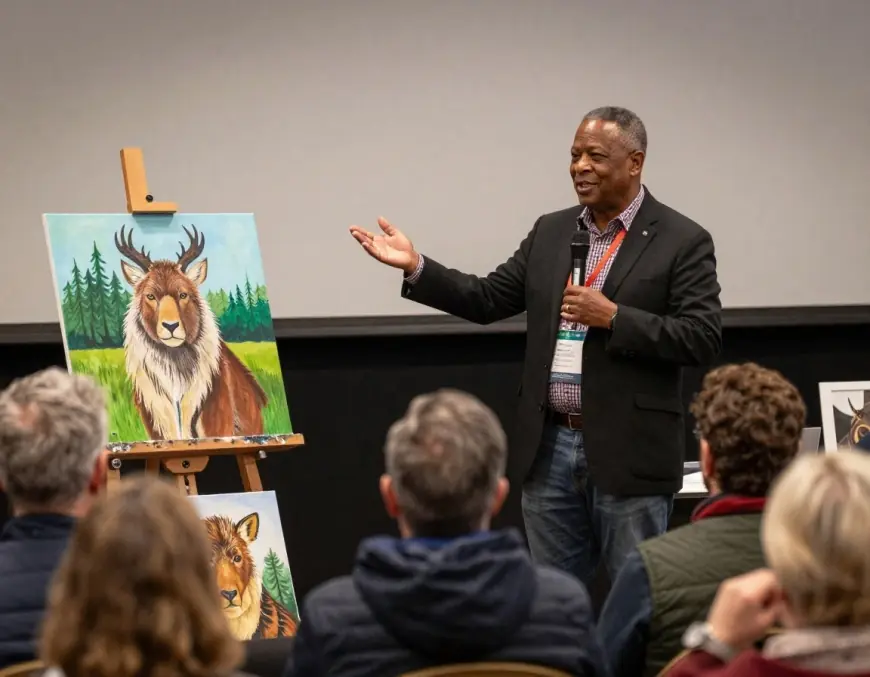
winnipeg — Darrell Chocolate, a Gameti‑born artist, was a standout vendor at the International Indigenous Tourism Conference in Edmonton, where his Northern Indigenous wildlife and portraiture work captured wide attention and coincided with a notable uptick in airline and hotel bookings tied to renewed interest in Indigenous cultural travel.
Darrell Chocolate’s presence at the International Indigenous Tourism Conference
Darrell Chocolate travelled south to exhibit as a vendor at the conference held at the Edmonton Convention Centre. His practice focuses on wildlife and human portraiture, often completed through commissions that honour loved ones and ancestors. Attending the three‑day conference offered Chocolate an opportunity to present Northern perspectives, stories and visual traditions directly to an international audience.
Chocolate described authenticity as central to his work, noting a commitment to realistic detail in wildlife and portrait paintings. He has been sketching and drawing since childhood and began painting professionally in 2009. The vendor marketplace at the conference was designed to elevate Indigenous‑owned businesses and artists from across Turtle Island and beyond, giving creators like Chocolate a platform to reach new markets.
Winnipeg and national implications for Indigenous tourism interest
The International Indigenous Tourism Conference brought together delegates from Canada, USA, France, Germany, UK, Australia, Mexico and Spain. With more than 2, 500 international delegates in attendance, the event underscored growing global curiosity about Indigenous culture and travel experiences. That surge in attention coincided with immediate impacts on airline bookings and hotel occupancy in the region.
Organizers and participants noted a broader appetite for authentic cultural travel offerings. For artists and tourism entrepreneurs, the conference served not only as a marketplace but as a catalyst for reshaping itineraries that prioritize Indigenous art, heritage and hospitality.
Tangible travel impacts: airlines and hotels
Delegates’ interest translated into commercial activity: airlines and hotels experienced increased demand tied to the conference period. Some carriers reported higher flight bookings from international hubs in France, Germany and the USA, while regional carriers serving Canada also saw upticks. Hotel operators in the Edmonton area registered higher occupancy as visitors sought cultural programming and Indigenous experiences during and around the event.
This immediate commercial response highlights how concentrated cultural showcases can affect travel flows and booking patterns. For Indigenous entrepreneurs and artists who participated as vendors, the market response created new opportunities for commissions, partnerships and repeat visitation.
What the conference means for the future of Indigenous tourism
The scale and international makeup of the conference point to a possible long‑term shift in how Indigenous art and cultural programming are integrated into travel products. With delegates arriving from multiple countries and a prominent vendor presence, the conference elevated Indigenous tourism as a significant sector within broader travel trends.
For artists like Darrell Chocolate, participation functions on several levels: it amplifies individual practice, channels attention back to Northern homelands, and helps build commercial momentum for Indigenous culture as a cornerstone of visitor experiences. The linkage between cultural exposure and immediate booking increases suggests that continued investment in Indigenous arts programming at tourism events could sustain demand for authentic cultural travel.
Recent updates indicate this story is developing as the tourism industry continues to respond to heightened interest in Indigenous experiences. Details may evolve as communities and businesses adapt to new visitor patterns.