























Usa Hockey Coach Spotlight: How Megan Keller’s Overtime Goal Recasts the U.S.–Canada Rivalry and Echoes Through Red Wings Circles

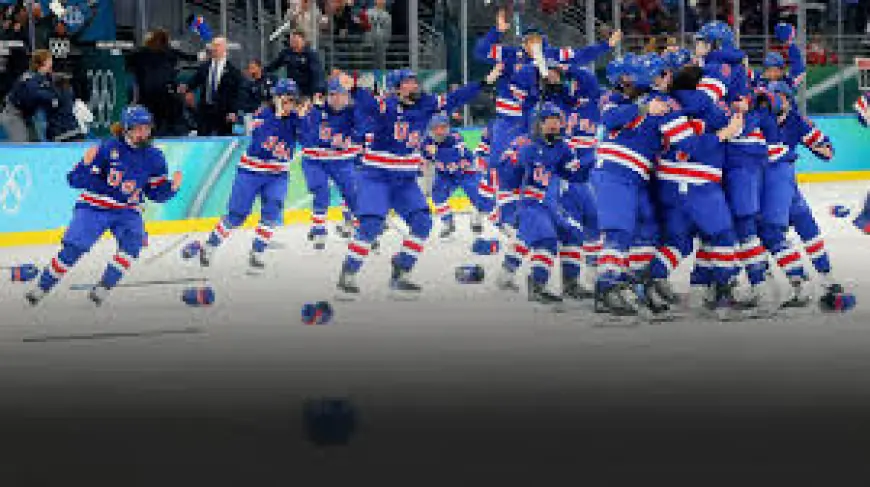
Megan Keller’s overtime goal that handed the U. S. Olympic gold to a win over Canada changes more than a medal count — it shifts attention, pressure and planning for national programs and NHL-linked teammates. The usa hockey coach conversation moves from roster selection to culture and immediate public scrutiny; team staffs, players connected through professional clubs, and rival national programs will feel the effects first.
Usa Hockey Coach implications for staff, players and affiliated clubs
Here’s the part that matters: a single match-winning moment like Keller’s puts those who build and direct teams into a new spotlight. Expectations around strategy, player roles and talent pipelines will follow the victory narrative. Stakeholders affected include:
- Team staff and national program decision-makers, who inherit heightened public and internal expectations.
- Players with professional ties to Olympic contributors, such as teammates and club affiliates, who will see reputational and locker-room ripple effects.
- Rival national programs that must respond to a renewed chapter in the U. S. –Canada rivalry.
What’s easy to miss is how tightly a single high-stakes play can accelerate decision cycles inside national programs; personnel and strategy conversations that might have unfolded over a season can compress quickly after an Olympic moment.
Event details and immediate reactions without replaying every line
Megan Keller scored in overtime to lift the U. S. past Canada and secure Olympic gold, a result framed as another notable chapter in the long-running rivalry between the two programs. Coverage also ties Keller’s moment to people with club links: it highlights connections to Red Wings forward DeBrincat and notes McLellan reveling in Keller’s Olympic glory. Beyond the headline result, the practical aftermath is what will shape the next months for national staffs and affiliated clubs.
Because the spotlight has shifted, conversations that involve the usa hockey coach role will likely broaden: they’ll include how coaching staffs manage media attention, how they integrate Olympic momentum into development plans, and how clubs with players connected to the Olympic roster respond internally. The article thread that ties Keller to a Red Wings player and to McLellan underscores how Olympic outcomes reverberate across professional networks as well as national programs.
- Short-term signal: amplified scrutiny on selection choices and system emphasis within the national program.
- Mid-term signal: professional clubs with Olympic-linked players reassessing roles and messaging in light of new expectations.
- Enduring effect: another chapter in the U. S. –Canada rivalry that will be replayed in evaluations and narrative framing for upcoming cycles.
The real question now is how program leaders will convert a single dramatic victory into sustainable advantage rather than a fleeting narrative. Tactical changes, public relations posture and roster development are all possible reaction points, but they will depend on decisions that remain to be made by those in leadership positions.
Editorial aside: It’s easy to overlook, but moments like an Olympic overtime goal rarely change fundamentals overnight; they accelerate trends and force clearer, faster choices from those in charge.
Readers tracking coaching and program strategy should watch for official planning shifts and personnel moves in the coming months as early signals that the victory is influencing institutional direction. Recent coverage links Keller’s game-winner to teammates and professional contacts, which means the ripple effects will appear both on national rosters and inside club environments.