






Eileen Gu soars to halfpipe gold as Zoe Atkin delivers bronze in medal-rich Winter Olympics day

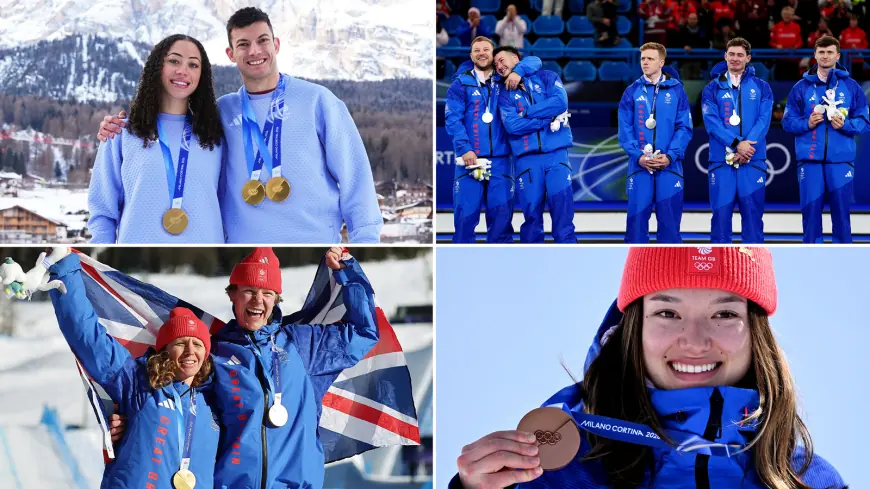
In a dramatic freeski halfpipe final in Livigno, eileen gu took gold while Zoe Atkin earned bronze, a result that pushed Team GB to a five-medal haul at the Milan-Cortina Games and added fresh storylines across the program. The day mattered both for individual legacies — a defending champion reclaiming top spot and a 23-year-old Brit fulfilling a long-held family dream — and for wider Olympic headlines that ranged from national milestones to an escalating athletes' protest.
Eileen Gu: gold after two silvers and a comeback through the runs
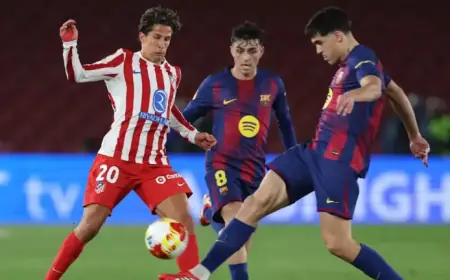
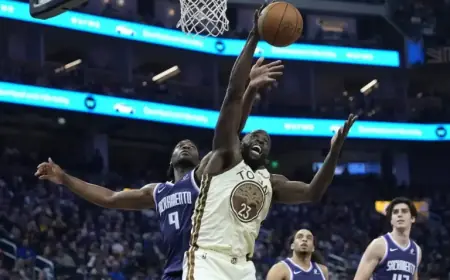
Eileen Gu recovered from a fall on her first run to improve on each of her next two efforts and take gold with a winning mark of 94. 75. This gold was Gu's first of these Games after she had already won two silvers earlier in the program. The defending champion demonstrated a measured, progressive approach under pressure, moving from an early mistake to the top of the podium by the end of the final.
Zoe Atkin and Team GB's milestone
Zoe Atkin, 23, secured bronze in the women's halfpipe final in Livigno, boosting Great Britain to a total of five medals at these Games after three golds and a silver. Atkin improved her final-run score to 92. 50 and another mention of her final effort is listed as 92. 5; that improved mark left her just half a point shy of the silver position held by Li Fanghui. China's Li took silver while Gu topped the podium.
Atkin's bronze was only the second Olympic medal on skis for a British athlete. Her sister Izzy had been the first, winning bronze in the Pyeongchang slopestyle when Zoe was 15 in 2018, an experience that Zoe said lit a long-standing ambition to reach the podium herself. The siblings shared the moment in Livigno, with Izzy in attendance supporting Zoe; their mother has been claiming she is the first parent to have two Olympic medallists for Great Britain in the family. Atkin had already secured a medal before her final run, and with the pressure off she improved to the 92. 50/92. 5 mark.
Atkin entered these Games fresh from winning the superpipe event at the Aspen X Games the previous month and as the reigning world champion. She had qualified for the final in first place, then dropped behind Eileen Gu and Li Fanghui in the medal runs. Atkin had finished ninth on her Olympic debut in Beijing four years earlier and described nervousness in the final, playing it cautious on her first run before increasing the difficulty by her third run. She also said she had been working on the run for several years and that returning to the Olympics and reaching the podium meant a great deal to her.
How Team GB reached five medals
The five-medal total matches Great Britain's record haul from previous Winter Games in 2014 and 2018. The tally reached three golds and a silver prior to Atkin's bronze. Team GB secured golds in mixed team snowboarding and mixed team skeleton, and also claimed the men's singles skeleton title, while the men's curling side narrowly missed gold and settled for silver after losing to Canada in a tense final; the curling silver repeats their result from Beijing in 2022.
Last weekend Team GB made history by securing two golds on the same day for the first time at any Winter Games: Charlotte Bankes and Huw Nightingale won one mixed team snowboarding event, and Matt Weston and Tabby Stoecker won mixed team skeleton. Weston also claimed a separate gold in the men's singles skeleton, marking a second skeleton gold at these Games. One account places the mixed team snowboard cross success as having secured the second of those golds exactly a week ago.
Controversy in skeleton: Vladyslav Heraskevych and the "helmet of memory"
A separate and escalating story involved Ukrainian skeleton racer Vladyslav Heraskevych and a banned commemorative helmet. Heraskevych accused the International Olympic Committee of doing Russia's propaganda for them after he was barred from racing because he wanted to wear a "helmet of memory" to honour Ukraine's war dead. He was informed only minutes before he was due to compete that his accreditation had been rescinded following a last-ditch meeting in Cortina on Thursday morning with the IOC president, who reportedly left in tears after failing to persuade him to change his mind.
The helmet was said to display images of those killed in the conflict; one description cites 24 athletes and children, another reference cites 20 images. The IOC maintained that the helmet violated the athletes' charter because the field of play must be free from political expression, and it had been banned on Monday. Heraskevych continued to practise in the helmet, finishing first on the final day of practice, and vowed to wear it even though the IOC warned he would be kicked out if he did. He stated he would not betray the athletes memorialised on the helmet and said he was prepared to be disqualified rather than back down. The skeleton competition was scheduled to begin at 9. 30am local time (8. 30am GMT) during the unfolding dispute.
Other notable moments across the program
The week also produced intense drama elsewhere. Johannes Høsflot Klæbo cruised through the sprint classic and detonated the field to claim his second gold of these Games. Sturla Holm Lægreid broke down in tears after winning bronze in the men's 20km biathlon, apologising for having an affair and describing it as the worst week of his life; Johan-Olav Botn won gold in that event with Éric Perrot second. Coverage of these storylines and the helmet controversy has formed a dominant narrative amid what some commentators described as a storm brewing through the middle days of the Games.