














Baby Monkey Punch: Viral Abandoned Macaque at Ichikawa City Zoo Befriends Stuffed Orangutan and Wins Back Group

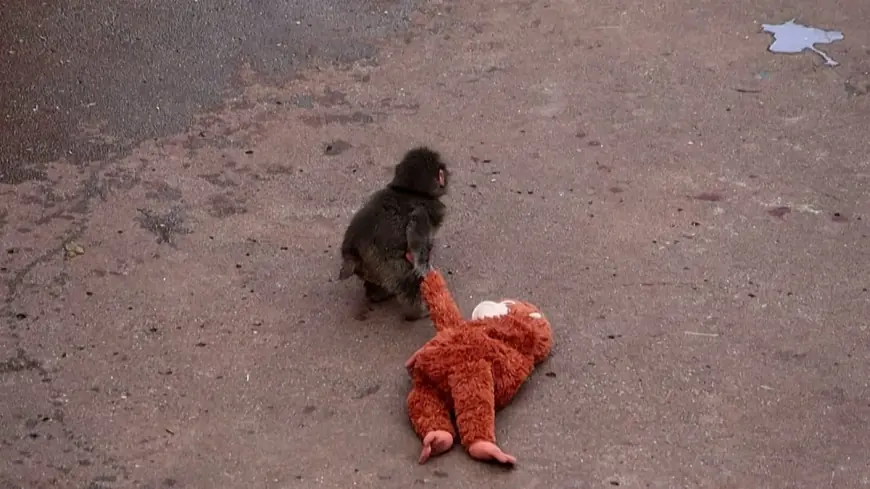
baby monkey punch, an abandoned young Japanese macaque at the Ichikawa City Zoo in Japan, has become a viral sensation after videos showed him clutching a stuffed orangutan given by zookeepers as a substitute for his mother. The latest footage suggests he is finally finding comfort among his own kind, a development that matters for his long-term welfare and public interest in the zoo.
Baby Monkey Punch's social breakthrough
Punch initially struggled during the first few months of his life, unable to bond with the other monkeys in the zoo's enclosure and relying mainly on human keepers and the soft toy for company. The stuffed toy — an orangutan plush — served as a surrogate when his mother rejected him, and his attachment to it helped him attract worldwide attention. He broke millions of hearts online after footage of him dragging and playing with the toy circulated.
From abandonment to fame: the stuffed orangutan that started it
The stuffed orangutan given by zookeepers became the focal point of Punch's early months. That companionship translated into broad public attention and a new kind of support: visitors flocked to the Ichikawa City Zoo to see the viral baby monkey Punch in person, turning his private struggle into a public story about animal care and empathy.
Signs of reintegration: hugs and grooming
Recent videos show a clear shift in Punch's behaviour. He received a hug from one monkey and was seen grooming others — behaviour identified as a key part of macaque socialisation. Those interactions mark a meaningful move away from solitary reliance on human keepers and the toy toward established social bonds within the troop.
Expert perspective and what it indicates
Matt Lovatt, director for the Trentham Monkey Forest, discussed Punch's changing behaviour on a breakfast programme. Lovatt noted that grooming is the principal way these primates begin to form friendships within their group; he also oversees the well-being of Barbary macaques at a wildlife sanctuary near Stoke-on-Trent. His observation underscores that the grooming and hugging now visible in footage are positive signs of Punch building relationships with other macaques.
Public reaction and implications for care
The attention Punch attracted after befriending the stuffed toy turned him into a regional attraction, with fans flocking to the Ichikawa City Zoo to see him. That public interest creates both an opportunity and a responsibility: the zoo must balance visitor demand with Punch's need for gradual, stress-minimised social integration. The shift from dependency on human keepers and a plush surrogate toward peer grooming suggests caretakers' interventions are helping, but continued monitoring will be important.
What comes next for Punch
For now, the progress visible in recent footage provides reason for cautious optimism. Punch's move from isolation to receiving affection and engaging in grooming offers a pathway toward fuller integration with his troop. The situation will remain under observation as staff continue to support his social development and manage public interest at the Ichikawa City Zoo.