

























Hawaiian Airlines to Rebuild A330 Cabins as Fleet Plan Signals Fewer Widebodies for Islands

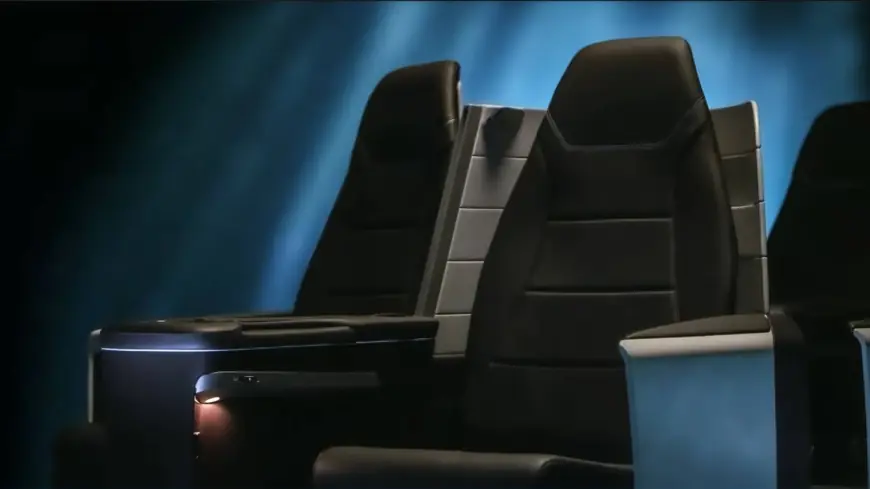
hawaiian airlines is embarking on a major cabin overhaul of its Airbus A330 fleet under a $600 million, five-year Kahuʻewai Hawai'i Investment Plan announced after the carrier’s sale to Alaska Airlines. The work promises upgraded seats, new inflight entertainment and airport facility improvements just as corporate filings indicate a planned reduction in the number of widebody aircraft serving Hawaii.
Hawaiian Airlines: Development details
The investment plan commits more than $600 million over five years to modernize infrastructure and the guest experience across multiple Hawaiian airports, including renovations of lobbies, gates and amenities at Honolulu, Lihuʻe, Kahului, Kona and Hilo, plus a new premium lounge at Honolulu International Airport. The carrier will also refresh digital services with app and website upgrades and expand self‑service technology for employees.
Onboard, every A330 based in Honolulu will receive a full interior upgrade: new seats, carpets and lighting; first class seats will be transformed into suites; a dedicated premium economy cabin will be introduced; and Extra Comfort rows will be replaced by four rows of wider reclining seats designed to offer more personal space and privacy. Inflight entertainment systems will be Bluetooth‑enabled with high‑definition screens and an expanded content library. Fast, free WiFi provided through Starlink is already fitted across the A330 fleet, and the airline plans to acquire three leased A330s to support future operations.
The widebody fleet targeted for these enhancements currently numbers 24 Airbus A330‑200 aircraft, which have been in service with the company for an average of 13 years. The airline operates multiple aircraft types alongside the A330s and has begun aligning product and systems with its parent company.
Context and escalation
Financial losses prompted the sale of the carrier to Alaska Airlines, a transaction completed in September 2024 that combined operations under the Alaska Air Group while preserving individual brands on a single operating certificate. Under Alaska’s ownership, losses have been reduced roughly in half, but filings and internal plans show a broader strategic shift: a fleet schedule filed in the company’s 10‑K on February 12 maps out aircraft acquisitions and retirements through the end of the decade.
The plan holds the A330 count steady through 2027 at 24, but schedules four A330 retirements in 2028, reducing the total to 20. That same year, four Boeing 787‑10 Dreamliners are due to enter the parent airline’s fleet, while a ramp of Boeing 737 MAX 10 narrowbodies begins in 2027 and accelerates through 2028. Company planning ties the arriving 787‑10s to expansion out of Seattle rather than to replacing A330 capacity based in Honolulu.
What makes this notable is the sequencing: the carrier is investing heavily to modernize its existing widebodies while simultaneously reshaping the overall fleet mix around different aircraft types and growth hubs.
Immediate impact
Passengers traveling on the A330 will see tangible changes sooner rather than later—upgraded premium and economy cabins, new suite‑style first class seats, enhanced dining and amenity levels, and Bluetooth‑capable on‑demand entertainment. Airport customers in the five named locations will encounter refreshed lobbies and gate areas and a new premium lounge at HNL.
Operationally, the announced retirements and the arrival of narrowbody MAX 10s and Seattle‑based Dreamliners mean the mix of aircraft serving mainland‑Hawaii routes is poised to shift. The company’s move toward higher‑capacity narrowbodies on some West Coast routes is explicitly linked to the MAX 10 ramp, which changes route economics and could open more options for narrowbody deployment on markets that historically relied on A330s.
Forward outlook
Key milestones now on the calendar include the carrier’s formal integration steps: the airline will join the oneworld Alliance on April 22, 2026, and the full A330 cabin rebuild is scheduled to begin in 2028. The fleet schedule anticipates the MAX 10 buildup across 2027–2028 and the arrival of four 787‑10s in 2028. The company will continue digital and airport investments through the five‑year Kahuʻewai plan while managing the transition from a 24‑aircraft A330 base toward a mixed fleet shaped by Alaska Air Group’s broader network priorities.
These confirmed actions set clear near‑term benefits for passengers on the A330s and signal a longer‑term realignment of how widebodies are deployed to and from the islands as the parent company grows its Seattle hub and integrates systems and products across both carriers.