























Duke Vs Michigan: February 1-2 Showdown Highlights a New Wave of Late Nonconference Games

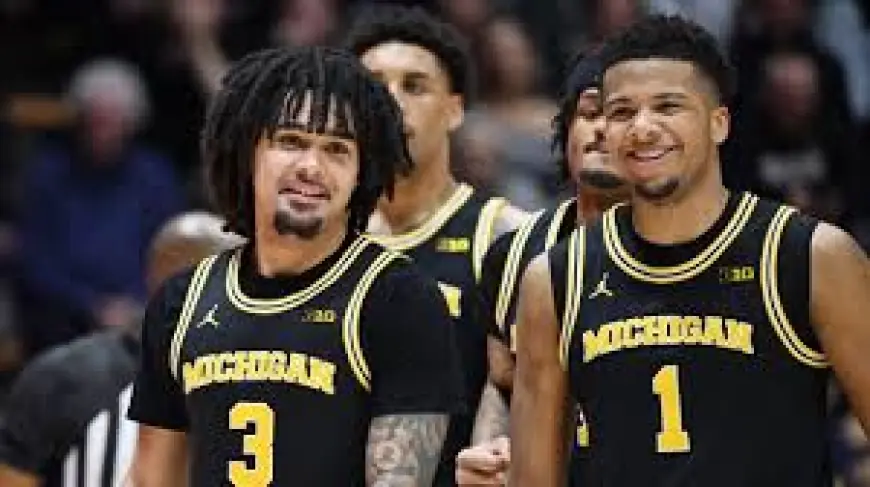
The duke vs michigan matchup this weekend in Washington, D. C., between No. 1 Michigan and No. 3 Duke is being framed as a potential Final Four preview and comes amid a growing trend of marquee programs scheduling big nonconference tests deep into the season. The game has drawn sky-high ticket prices and is one of several recent late-period nonconference showdowns designed to sharpen NCAA Tournament resumes.
Duke Vs Michigan set the stage for late-season scheduling debates
The pairing of No. 1 Michigan and No. 3 Duke in Washington, D. C., is the most prominent example of a shift away from the traditional calendar where nonconference games are confined to November and December. That matchup is positioned as a highlight of the weekend and has prompted national conversation about the value of high-profile neutral-site tests late in the season.
Why coaches are scheduling big nonconference games in February
Coaches are interrupting the routine of conference play weeks before Selection Sunday to simulate the unfamiliarity and quick turnarounds of the NCAA Tournament. The change is intended to test teams against different styles and scout approaches they would not routinely face inside their conferences, helping both preparation and resume-building. The trend is partly a response to super-sized conferences and expanded league schedules, which can dilute opportunities to face varied opponents and therefore make it harder to bolster tournament resumes.
Examples from recent weekends and the Madison Square Garden precedent
Last summer, Illinois coach Brad Underwood experienced a flood of calls about a late-season neutral-site matchup after his team’s 110-67 loss to Duke and Cooper Flagg. Coaches from programs that include Michigan and Ohio State wanted to know whether that game — played late in February at Madison Square Garden in New York City — was still worth scheduling despite the lopsided result. The timing and neutral-site element, rather than the outcome, drove the interest, and the Illinois coach said he would play it again emphatically.
That example has resonance with other recent nonconference clashes: Louisville defeated Baylor in Fort Worth, Texas, and Virginia edged out Ohio State in the Nashville Hoops Showdown in Tennessee. Those matchups underscore how teams are using late nonconference games to create high-quality, resume-building opportunities.
Coaches’ perspectives on preparation and tournament feel
Coaches argue that late nonconference tests give players and staff reps that mimic March competition. One coach described the benefit as preparing for a different style and conference, creating an NCAA Tournament feel in February. Another coach emphasized the change of pace: getting a rep in February that helps with postseason readiness. Beyond preparation, those games can directly influence a team’s ability to qualify and improve seed lines.
How conference styles and scouting influence late scheduling choices
Part of the logic for scheduling unfamiliar opponents late in the season stems from predictable conference styles. Big 12 teams anticipate heavy ball-screen pressure from the coaching staff and personnel in Houston under Kelvin Sampson. ACC opponents expect Duke, under Jon Scheyer’s program, to bring exceptional positional length. Big Ten teams point to the physical defensive identity of Michigan State under Tom Izzo. Facing contrasting styles late in the season helps teams learn to adjust quickly in ways that mirror tournament play.
Historical exceptions and an incomplete note on last season’s Duke
Historically, nonconference schedules were completed in November and December, with a few exceptions. February matchups among mid-majors in the BracketBusters series and the Big 12-SEC Challenge, which was played in late January from 2016 through 2022, are notable outliers. A line in the contemporaneous coverage begins, “Take Duke last season. The Blue Devils, who went on t” but is cut off; the remainder is unclear in the provided context.
Separately, an item in the dataset carried the short title “429 Too Many Requests, ” a distinct entry in the recent coverage material supplied for this report.
Looking ahead, the duke vs michigan game will serve as a high-profile test case for whether late nonconference scheduling continues to grow. Teams, coaches, and college basketball evaluators will be watching how such matchups affect seeding, preparation and the broader rhythm of the season.