












Why Peter Kay's green light turned a five‑minute Phoenix Nights cameo into a sustained stand‑up phenomenon

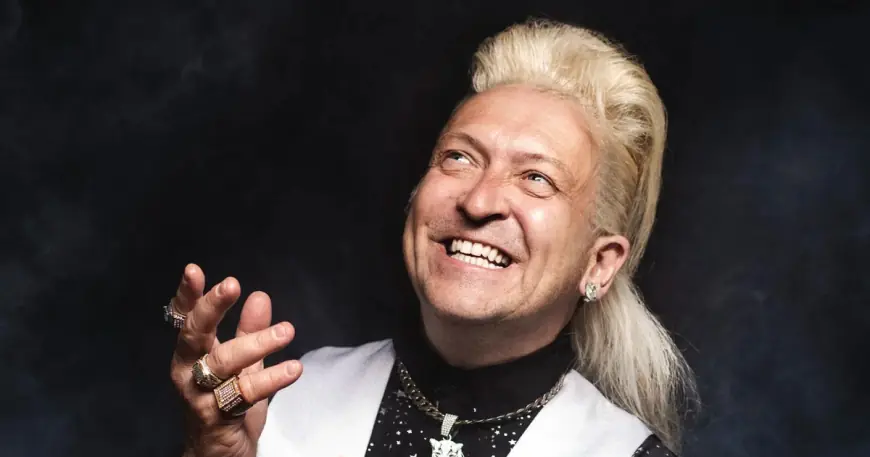
Who feels the impact first? For Alex Lowe and the live‑comedy circuit, the permission to keep a single character alive changed career trajectories and audience demand. peter kay’s decision to let Lowe continue performing Clinton Baptiste transformed a brief TV turn into nationwide tours, crowd‑pleasing readings and an extended run — and it comes alongside routine reminders about how digital services handle user data after people check tour details online.
Impact on Alex Lowe, Clinton Baptiste and live audiences — Peter Kay's permission shaped the path
The immediate winners have been Lowe, his fans and venues booking character‑led nights. Lowe credits peter kay with giving the initial green light to keep Clinton Baptiste alive after the TV series ended, a move Lowe says jump‑started a very successful stand‑up career. That nod mattered because it allowed him to expand a small-screen eccentric into a full stage persona that now sells out shows and sustains repeat bookings.
How the Clinton Baptiste character evolved from a five‑minute Phoenix Nights spot
Lowe originally found fame playing eccentric psychic Clinton Baptiste on Phoenix Nights. The character appeared only briefly on the show — roughly five minutes of screen time — but audience reaction was strong. Over the past two decades Lowe developed a backstory and stage material so Clinton works in stand‑up: more readings with the audience, deliberate near‑the‑knuckle jokes and a lot of quick gags. Lowe says he still gets nervous on tour and that the character’s buffoonish persona gives him license for cheeky lines that audiences forgive in ways a straight comic might not.
- It’s been 25 years since Phoenix Nights first aired, and Lowe and Peter Kay remain on friendly terms.
- Lowe says they still speak from time to time and that he values Peter Kay’s advice on pitching material.
- The Clinton Baptiste tour has been a hit and was extended because of demand; Lowe points fans to the official Clinton Baptiste site for tour details.
Here’s the part that matters for audiences and venues: the character’s migration from a short TV cameo to a live staple proves how a single endorsement or permission from a creator can sustain new work for decades.
Tour mechanics, nerves and the extended run
Lowe regularly takes Clinton on the road in nationwide live shows. He describes the current tour as “old fashioned fun, ” built on large quantities of jokes and interactive readings with the audience. The run was extended because of its success. Lowe admits persistent nerves—he hopes it gets easier but finds he grows more anxious with age—which shapes how he performs and selects material for stage risk. The live format also lets him push boundaries that work precisely because the audience understands they are watching a character.
Privacy and user data notes that came bundled with the coverage
Coverage included a separate privacy reminder about how digital services treat user information when people look up shows or buy tickets. Key points stated that using a service means entrusting it with information and that providers aim to protect that data while giving users control. There is guidance on how to update, manage, export and delete information, and a note that if European Union or United Kingdom data protections apply, those requirements and rights are explained in a dedicated section.
The material also highlights common account and device practices: signing up for an account lets people create and manage content like emails and photos; many services work when you’re signed out; private browsing modes exist to keep activity hidden from other users of the same device. Explanatory videos, examples and definitions are used to clarify controls, and users can contact the provider with questions.
Technical handling differs by sign‑in state: when not signed in, information may be stored with unique identifiers tied to a browser, application or device to preserve preferences across sessions; when signed in, data is stored with an account and treated as personal information. Account creation typically involves providing a name and password and optionally adding a phone number or payment information; even when not signed in, an email address can be given for communications. The services collect content users create or receive—email, photos, videos, documents and comments—and collect details about apps, browsers and devices to enable features like automatic product updates and screen dimming when battery runs low. The list of collected technical details includes unique identifiers, browser type and settings, device type and settings; the next item in the original list is unclear in the provided context.
What’s easy to miss is how these two strands meet: fans depend on creators’ permissions and live demand, but they also navigate an ecosystem where ticketing and tour details often intersect with account and device data practices.
- Fans and venues feel the immediate benefit of a character that translated to live shows.
- Creators’ decisions about rights and permissions can catalyze long‑term career shifts.
- Signals that a revival might be possible include ongoing public interest and direct support from the original creator; Lowe says he would be disappointed to be excluded if the show returned.
- Practical step: check the official Clinton Baptiste site for tour details and expect standard account/device privacy controls when booking or signing up.
The real question now is whether continued audience appetite and the creator’s openness will lead to any formal revival—and whether digital friction around accounts or device settings affects how easily fans can follow and support those live shows.