























March Madness 2026: Michigan Named No. 1 Overall as Committee Releases Early Top 16 Seeds

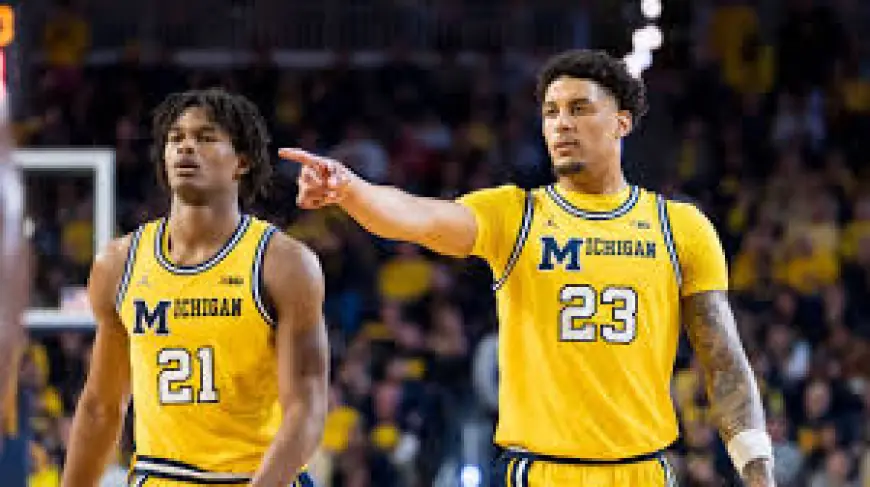
With the selection committee unveiling its top 16 men’s seeds three weeks and a day before the official bracket is set on Selection Sunday, March Madness 2026 now features Michigan as the No. 1 overall seed, joined on the top line by Duke, Arizona and Iowa State. The committee’s early preview reshapes the conversation about regional balance, conference dominance and late-season roster developments.
March Madness 2026: The Top 16 and the No. 1 seeds
The committee’s early list positions Michigan as the top overall seed. The rest of the top line, in order, is Duke, Arizona and Iowa State. Iowa State narrowly edged out UConn for the final No. 1 seed in this three-weeks-out preview, a selection the committee chair and Sun Belt commissioner Keith Gill described as one that generated a lot of debate.
Where the No. 2, No. 3 and No. 4 seeds fell
UConn dropped to the second line after a home loss to Creighton that committee leadership noted occurred after UConn had been on the top line as of Wednesday. The No. 2 seeds, in order, are UConn, Houston, Illinois and Purdue. The No. 3 seeds are Florida, Kansas, Nebraska and Gonzaga. The No. 4 seeds are Texas Tech, Michigan State, Vanderbilt and Virginia.
Regional breakdown: matchups and early implications
- Midwest Region: Michigan, Houston, Florida and Virginia.
- East Region: Duke, Illinois, Kansas and Vanderbilt.
- West Region: Arizona, Purdue, Gonzaga and Michigan State.
- South Region: Iowa State, UConn, Nebraska and Texas Tech.
These regional groupings highlight the challenge of keeping conference rivals separated when certain leagues dominate the seed list.
Conference dominance and projected Sweet 16 choreography
The Big Ten and Big 12 together supplied eight of the top 10 seeds and 12 of the top 16 seeds, a concentration the committee cited as complicating bracket construction. That concentration is one reason Iowa State and Texas Tech are projected to meet in the Sweet 16 under this preview bracket.
Decisions, tradeoffs and late developments that moved the field
Committee adjustments reflected multiple priorities. Michigan and Michigan State were initially placed together in the Midwest, which would have set up a potential third meeting in the Sweet 16 in Chicago; balancing the total seeding values across regions—so that the sum totals of the top four seeds in each region do not differ by more than six—prompted the committee to move Michigan State to the West and send Virginia to the Midwest.
Injury news also affected placement: the announcement that Texas Tech star JT Toppin sustained a season-ending knee injury led to Texas Tech falling one line in the committee’s preview. The committee identified Alabama and Arkansas as the next closest teams outside the top 16.
How the committee’s preview compares with the media mock and the weekend picture
The committee’s bracket differed from a recent media mock that included participation from C. J. Moore. That media mock projected Houston as the fourth No. 1 seed, placed Alabama and Arkansas as No. 4 seeds, and left Texas Tech and Vanderbilt out of the top 16. The 10th annual February unveiling nearly mirrored a marquee day of basketball: had Houston been on the top line it would have created matchups where all four projected No. 1 seeds could have faced each other later in the same weekend. The committee’s preview also set up scenarios in which the top two seeds Michigan and Duke would meet in Washington, while Arizona would play at Houston.
These early seedings set the narrative for the remaining weeks before Selection Sunday. Details may evolve as games are played and roster statuses change; the committee’s preview captures current positioning and the principal tradeoffs that will steer final bracket construction.