














Olivia Colman Criticized by LGBTQ+ Group for ‘Gay Man’ Comment

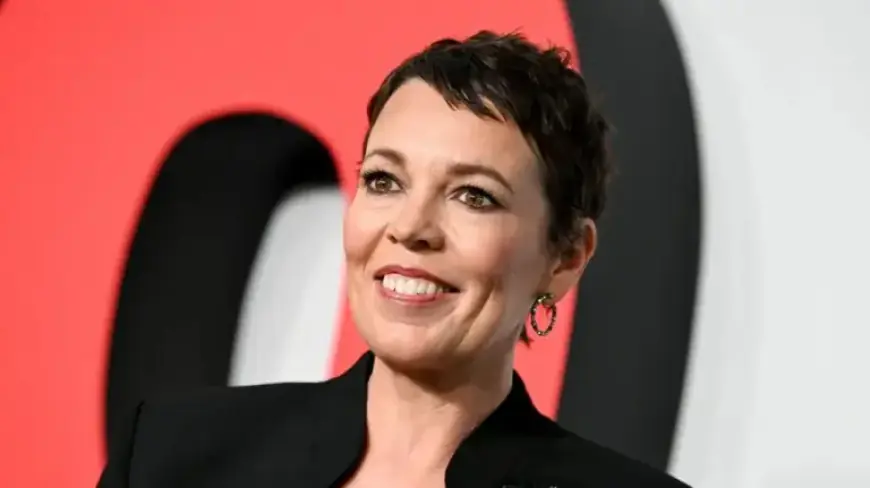
In a recent interview, actress Olivia Colman stirred controversy by stating she identifies as a “gay man.” This comment has drawn criticism from members of the LGBTQ+ community, particularly a Scottish lesbian support group, who described her remarks as “deeply painful.”
Background on Colman’s Comments
Colman’s statement arose during promotional activities for her upcoming film, Jimpa. The film explores the dynamics of a family with multiple queer members, featuring actors John Lithgow and Kate Box alongside Colman. In the film, she plays Hannah, a mother who, alongside her non-binary daughter Frances, travels to Amsterdam to visit their gay grandfather, Jimpa.
Interview Insights
During the interview, Colman expressed her feelings about identity, saying, “I’ve always described myself to my husband as a gay man.” She remarked on her non-binary feelings and noted, “I feel like I have a foot in various camps.” Colman has been married to Ed Sinclair since 2001, and shared insights about the balance of strength and gentleness in their relationship.
Reactions from the LGBTQ+ Community
Members of the LGBTQ+ group, known as The Fantastic Lesbians, responded with an open letter addressing Colman’s comments. They emphasized that identity within the gay community is often a complex journey filled with self-exploration and societal struggles.
- The letter highlighted the stark differences in experiences between heterosexual individuals and those who are gay.
- It pointed out that many heterosexual people live within a framework that affirms their identity, facing fewer societal challenges.
- The statement was not intended to attack Colman but to express the pain felt by those who have faced marginalization.
Key Statements from the Open Letter
The letter articulated that for many in the LGBTQ+ community, being gay involves courage and resilience. It addressed the realities of questioning one’s orientation and the risks associated with living authentically.
In conclusion, while Colman’s comments were meant to express her personal experience, they have initiated a broader conversation about the nuances of identity and the importance of understanding lived experiences within the LGBTQ+ community.