






















Chelsea Vs Burnley fallout: Rosenior’s selection questions and set-piece alarm after a 1-1 draw

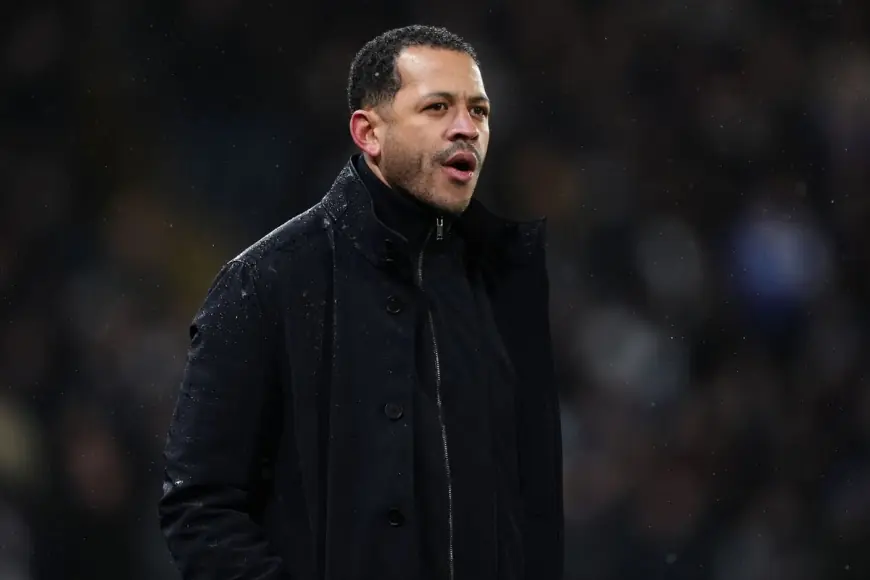
The immediate cost of the 1-1 result is concentrated on match-day leadership and defensive certainty — that’s the clearest fallout from chelsea vs burnley. Chelsea surrendered a lead after going down to ten men and a late header from a set piece deprived them of two home points. Managerial comments after the game pointed at discipline, marking errors and a need to identify which players can be counted on in closing moments.
Chelsea Vs Burnley: short-term effects on selection, discipline and set-piece priorities
Here’s the part that matters: the draw sharpened three pressure points inside the squad. First, the red card issued for a second booking removed a key defender and forced a retreat that left set plays exposed. Second, the conceded corner goal exposed a breakdown in marking — multiple central defenders were on the field but none were close enough to the aerial threat. Third, the manager is publicly framing the result as a learning moment about availability and reliability in tight games, which signals potential short-term changes to selection and match management.
What’s easy to miss is that these are operational problems that can reorder who starts and who is trusted to see matches out; this is not described as a failing of a single individual alone but as a collective shortcoming that will influence immediate coaching decisions.
Match details and sequence (embedded, concise)
- Early breakthrough — an opening goal arrived in the fourth minute when Joao Pedro converted a chance to put Chelsea ahead at home.
- Disciplinary turning point — a Chelsea player was sent off after receiving a second yellow for a late tackle on James Ward-Prowse, leaving the team reduced to ten men in the second half.
- Late set-piece equaliser — a corner met by Zian Flemming and delivered from a James Ward-Prowse cross restored parity in added time, despite Chelsea having several central defenders on the pitch.
The timing — an early lead, then a late conceded header after a sending-off — reshapes the internal narrative. The manager emphasized the need to identify players who can be relied on in critical moments and singled out defending set plays as an area not meeting required standards.
Operational consequences to watch for in coming matches include changes to who is deployed for set-piece marking, potential rotation among central defenders, and closer scrutiny of disciplinary record-keeping during training and selection. A point for Scott Parker’s side moved them up in the standings, and a late opportunity for that team went begging when a free header in the final seconds missed the target.
Micro timeline (compact):
- 4th minute — Joao Pedro puts Chelsea ahead.
- Second half — Chelsea reduced to ten men after a second booking for a late tackle.
- Added time — Zian Flemming heads home from a Ward-Prowse cross to make it 1-1.
The real question now is whether the club will address set-piece defending and selection promptly or allow the pattern — early control followed by late vulnerability — to persist. Tactical tweaks, clearer marking assignments on corners, and a sharper disciplinary approach are the likeliest immediate responses.
Value for readers: players most affected are the central defensive group and those tasked with marking on set plays, while coaching staff face pressure to show swift corrective action. Signals that would confirm a turn include tighter marking on corners in the next match and a cleaner disciplinary display that avoids repeat red-card situations.
Writer's aside: The bigger signal here is that the issue is framed as a collective performance failure rather than blaming a single moment — that framing often precedes practical changes in selection and set-piece routines.